
La Union: Beyond the Surf
Luna and Bangar offer a northern La Union journey through coastal memory, religious devotion and the work of weaving.
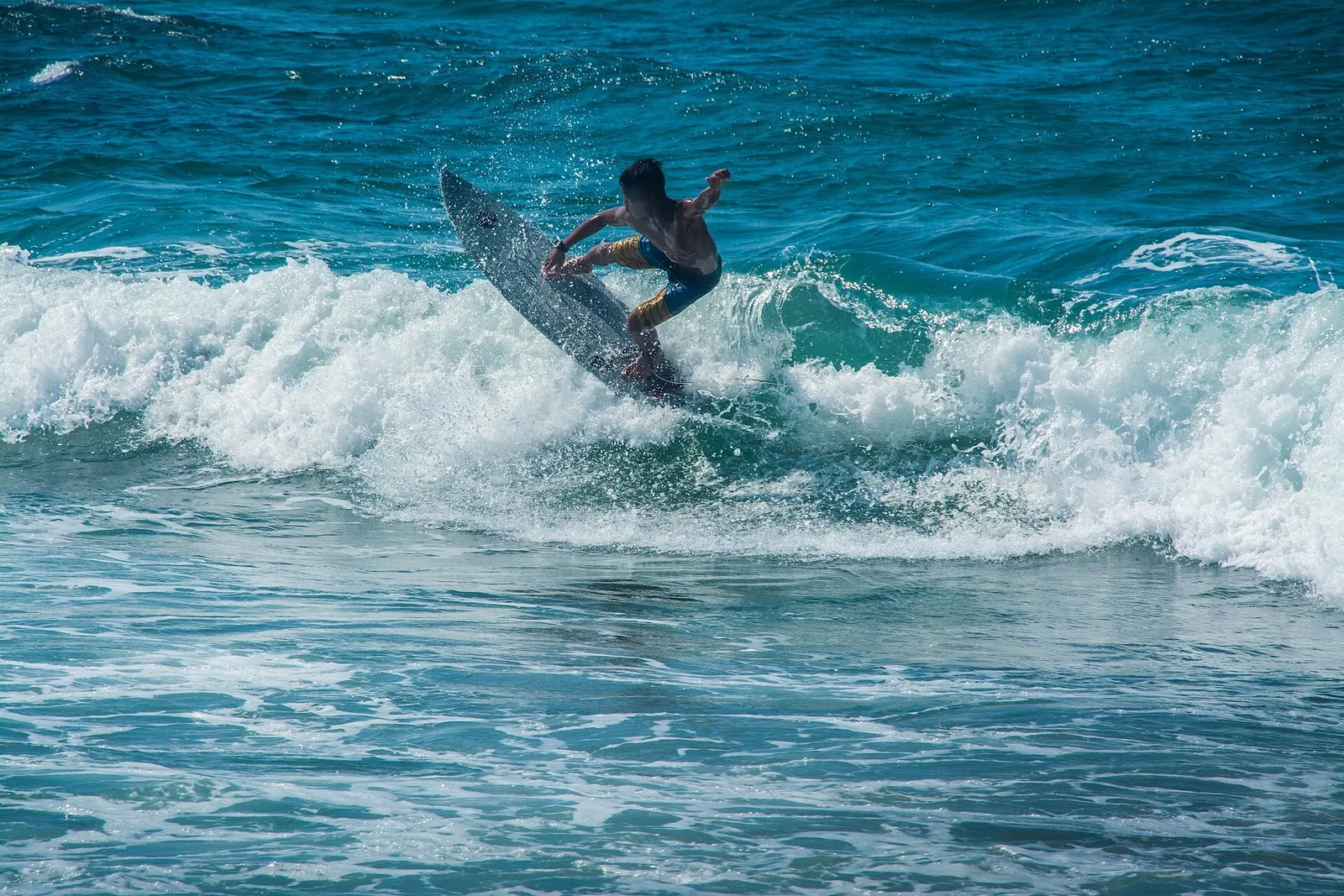
A visit to La Union can be organized around the objects people make and preserve, as well as time beside the sea. In Luna, a coastal watchtower and a religious shrine introduce different kinds of collective memory. In Bangar, handloom weaving makes the continuation of a craft visible through work.
The provincial government identifies Luna’s earlier name as Namacpacan and places the change to Luna in 1906, linking the town to the family of Antonio and Juan Luna. Its account also records devotion to Our Lady of Namacpacan. Stories about the image’s arrival belong to the community’s religious tradition; they should be presented as beliefs and narratives, not independently proven supernatural events.
A coast with a past
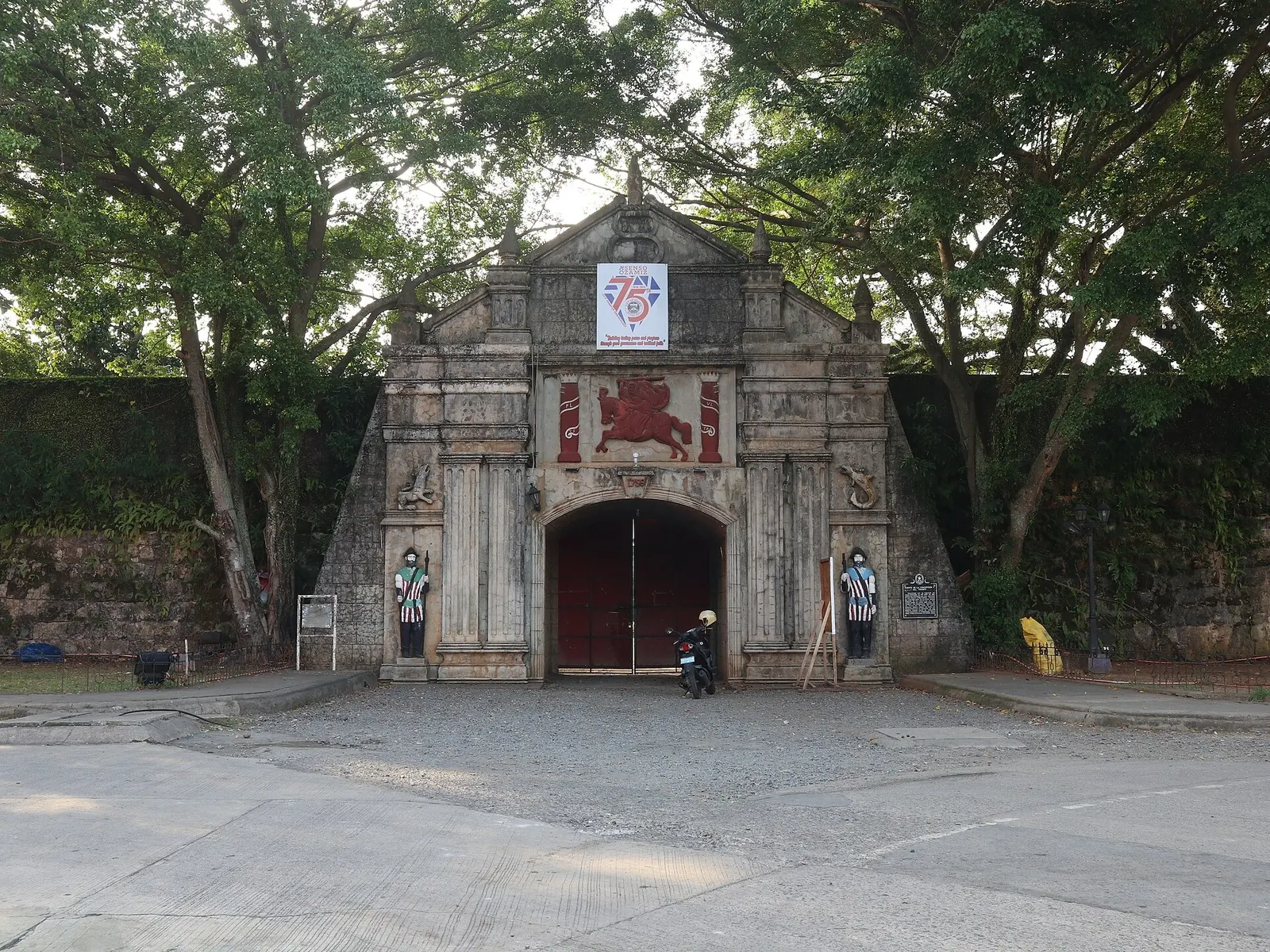
Luna’s Baluarte served as a coastal watchtower. Rather than treating it only as a picture frame for the sea, ask how its position helped observers read approaching movement. The surrounding shoreline is part of the structure’s historical function.
Heritage websites sometimes preserve descriptions written before later repairs. Use current site interpretation to understand what has been restored, and avoid assuming that an old photograph documents the tower’s present condition. The same care applies to access, which should be checked locally.
The work inside a woven cloth
In Bangar, the provincial profile documents the continued use of wooden handlooms for inabel textiles. A November 2024 provincial initiative, the Abel Academy, brought young participants into practical instruction with cultural bearers at Nogueras Weaving. The training included operation of the loom, locally called the tillar.
That example makes transmission concrete. A craft survives through people learning a sequence of skills, not simply through a finished pattern appearing on merchandise. When viewing a loom, ask which stage of production you are seeing and how long a particular textile takes to complete.
For a buyer, useful questions include the maker’s name, fiber content, dimensions and care instructions. Arrange any workshop demonstration rather than assuming working artisans are always available to entertain visitors. A cloth with a known maker and an understood process is a more meaningful record of a journey than a souvenir chosen solely for its regional label.
Research note: This regional guide was expanded with AI assistance and checked against the sources below. It is source-based writing, not a claim of first-hand reporting. Confirm current access arrangements before traveling.
Sources
La Union provincial government: Luna

Join the conversation
Sign in to comment