
 Culture
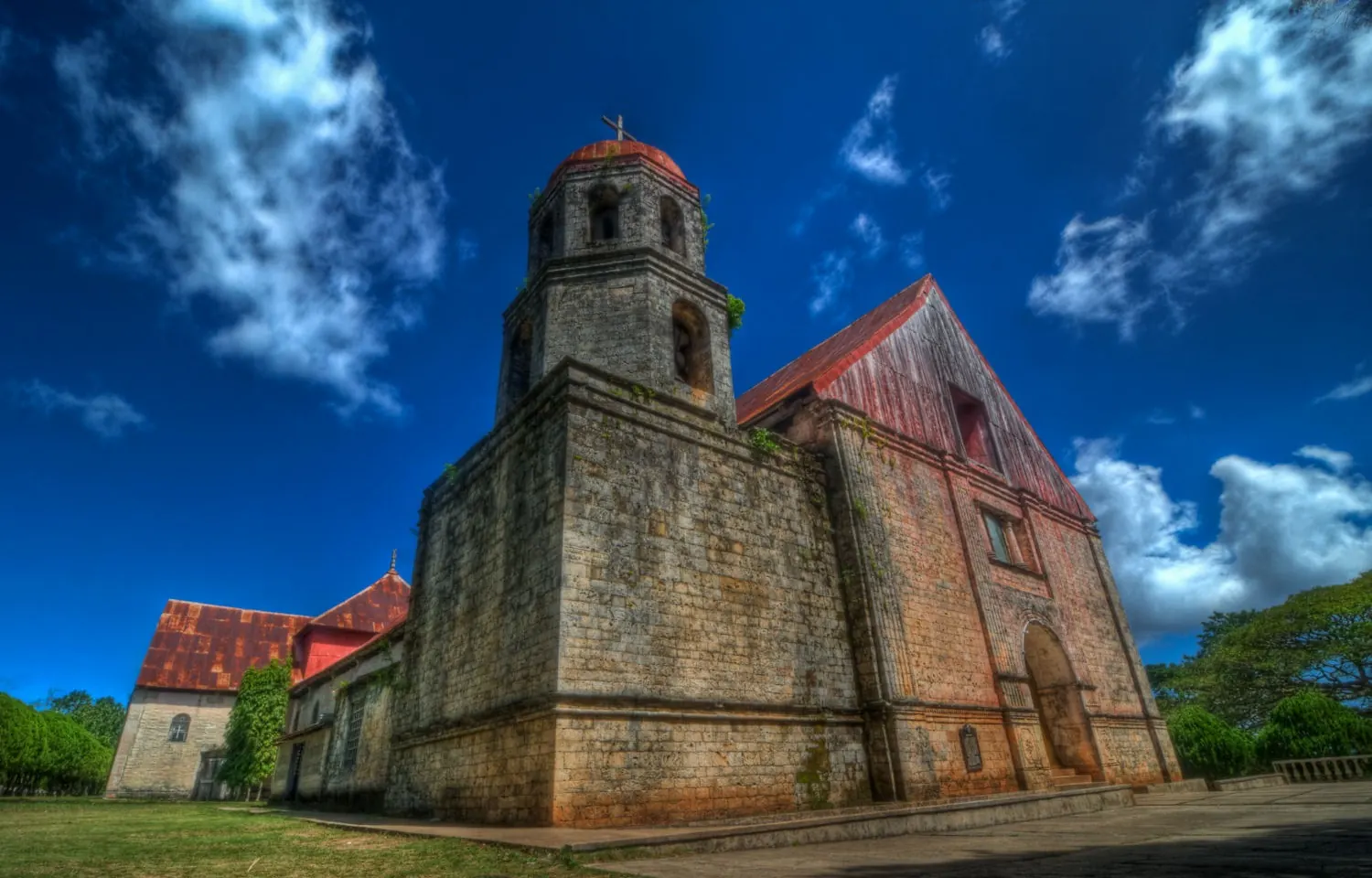
Siquijor: Folklore, Faith and Island Life
Healing traditions and Lazi’s religious architecture reveal a living community beyond the island’s supernatural reputation.
Stories first published in September 2026, from every Orient Gazette department.
CultureHealing traditions and Lazi’s religious architecture reveal a living community beyond the island’s supernatural reputation.
 Food
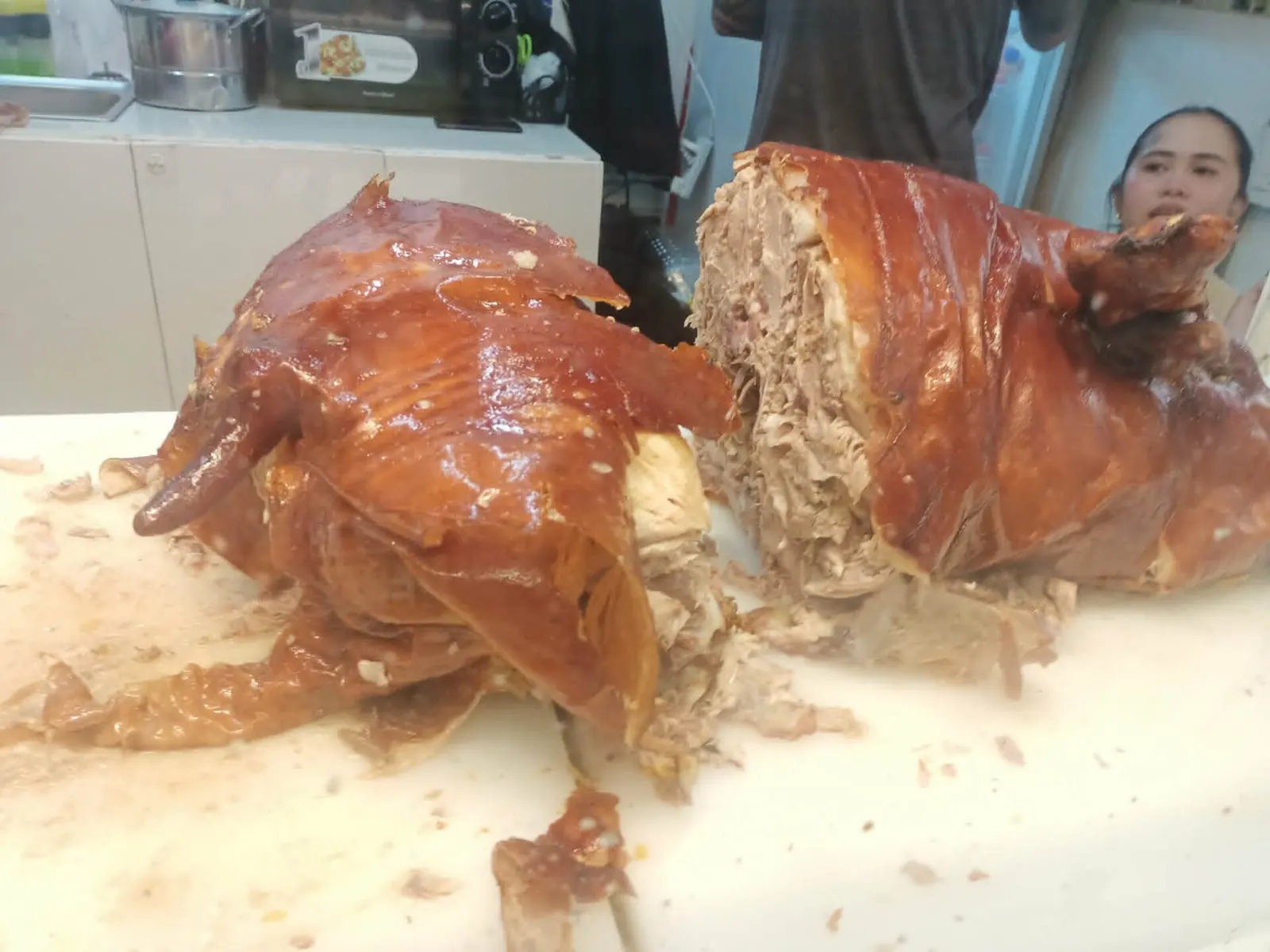
FoodCarcar’s lechon belongs to a wider food landscape of crisp pork, puffed-rice sweets and coconut confections.
 Places
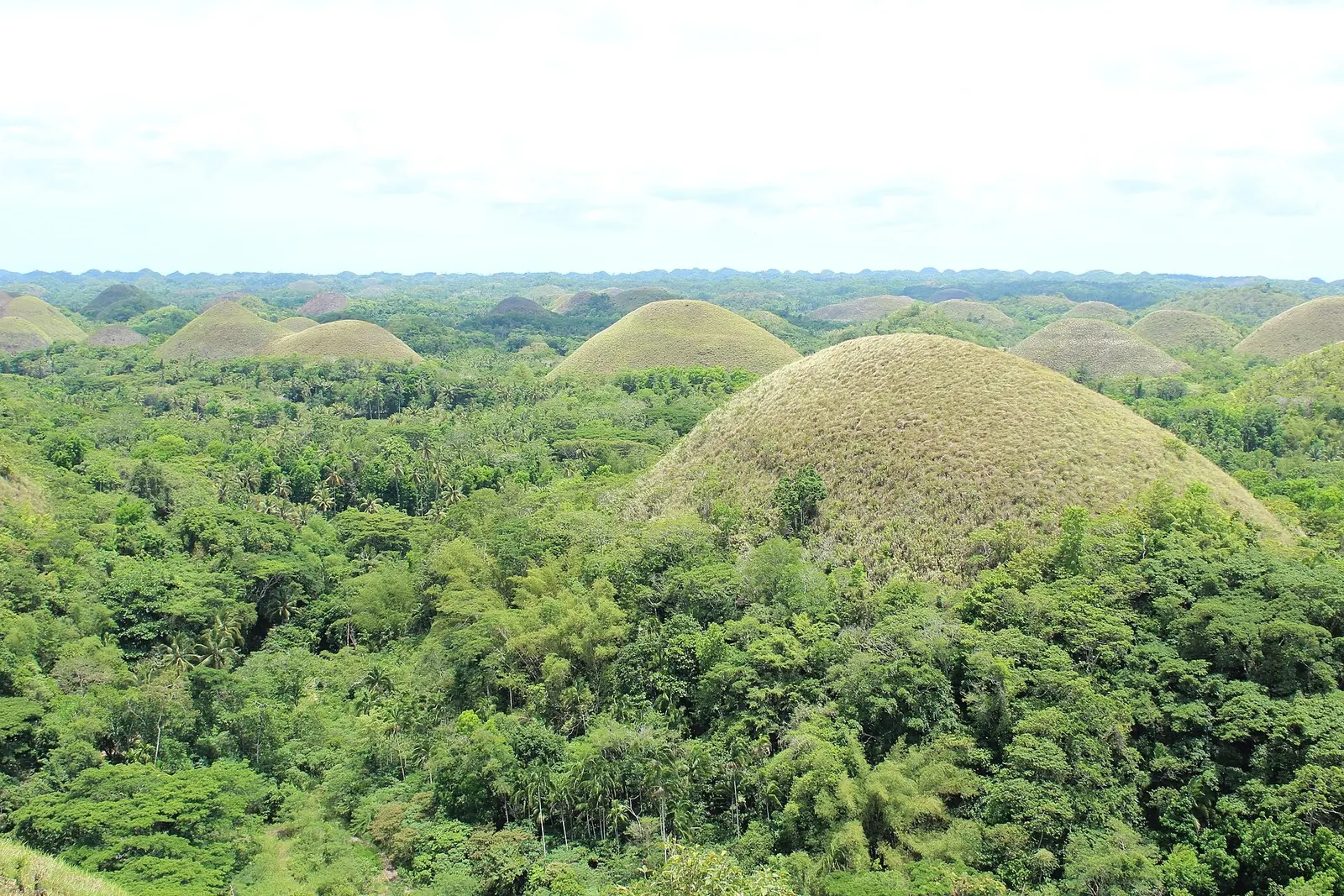
Bohol’s geopark connects the Chocolate Hills with reefs, caves and a museum that remembers the island’s recent earthquake.
 History
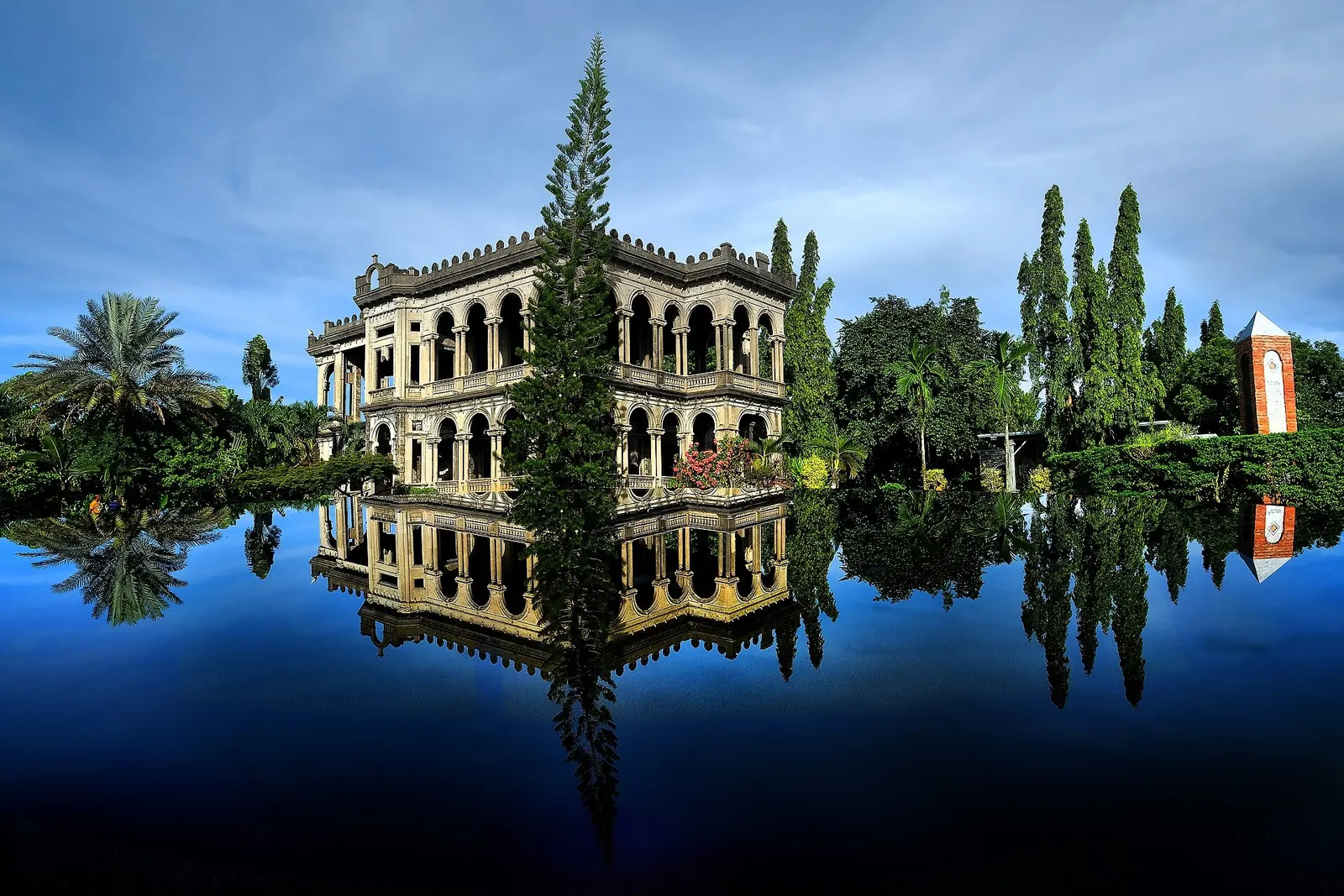
Talisay’s famous ruined mansion becomes more revealing when viewed alongside the sugar economy and surviving houses of neighboring Silay.
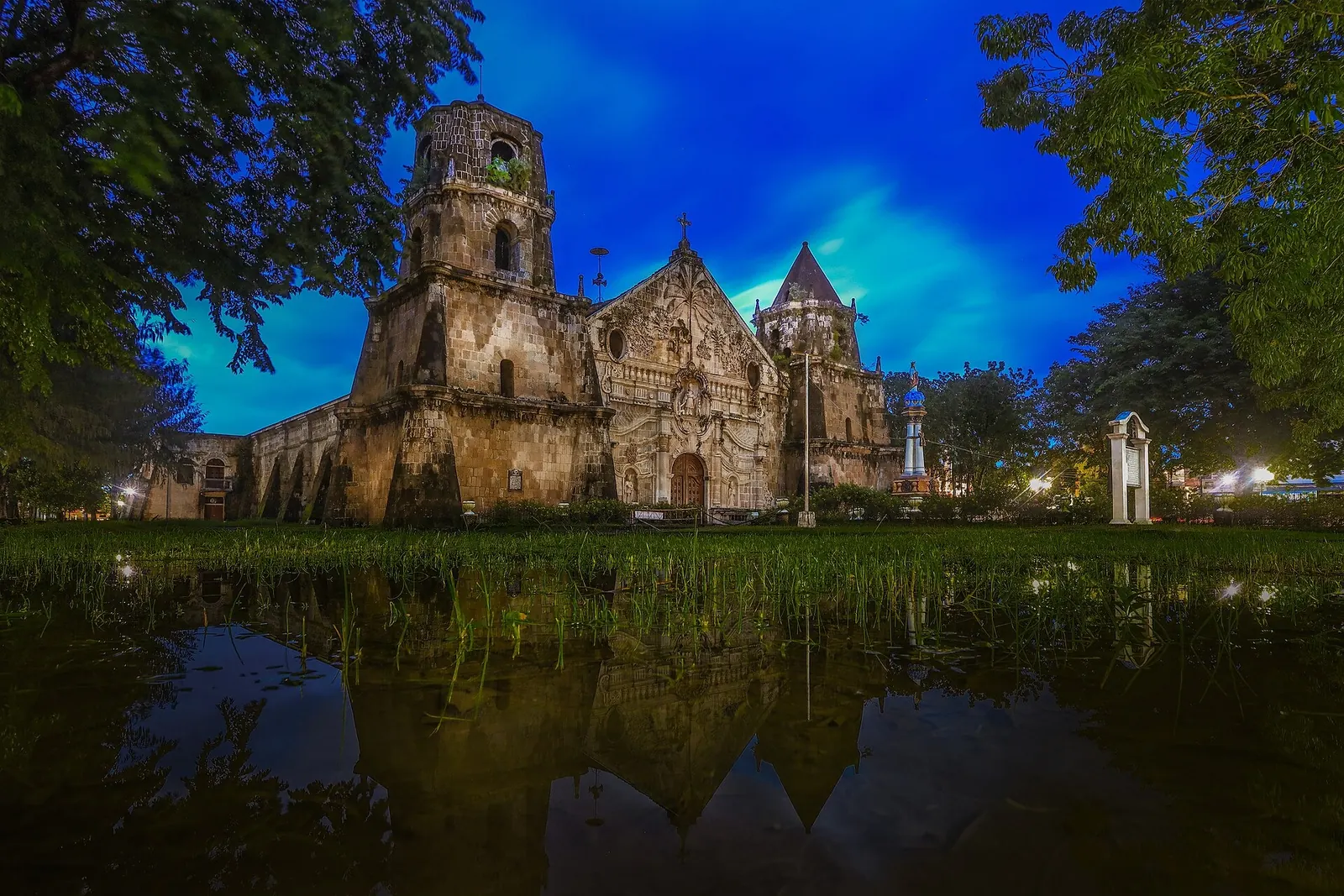 Culture
Iloilo’s food culture and Miagao’s church offer two different ways to understand how a place preserves its identity.
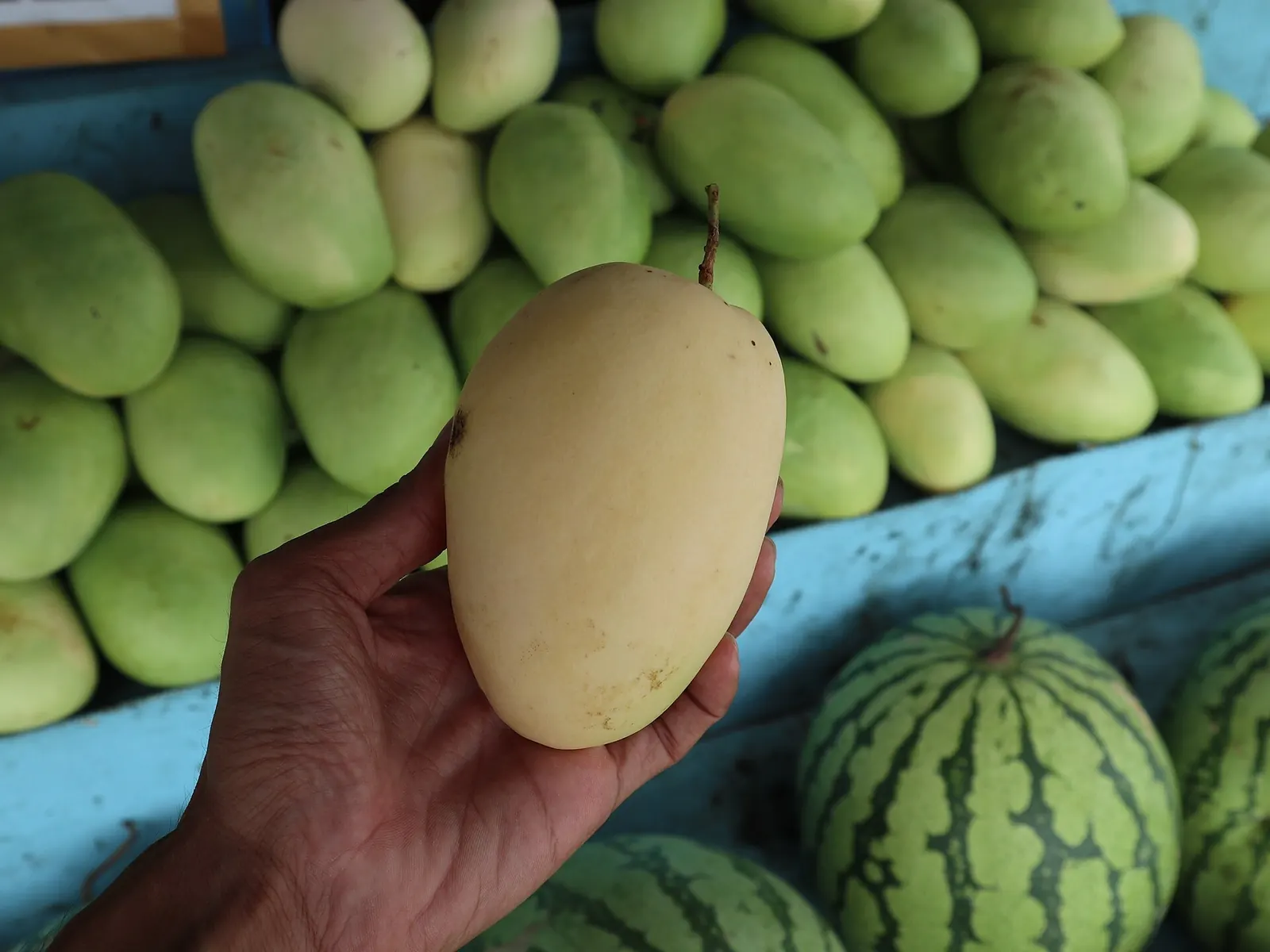 Food
FoodThe geographical indication for Guimaras mangoes turns a familiar reputation into a more specific question of origin and product identity.
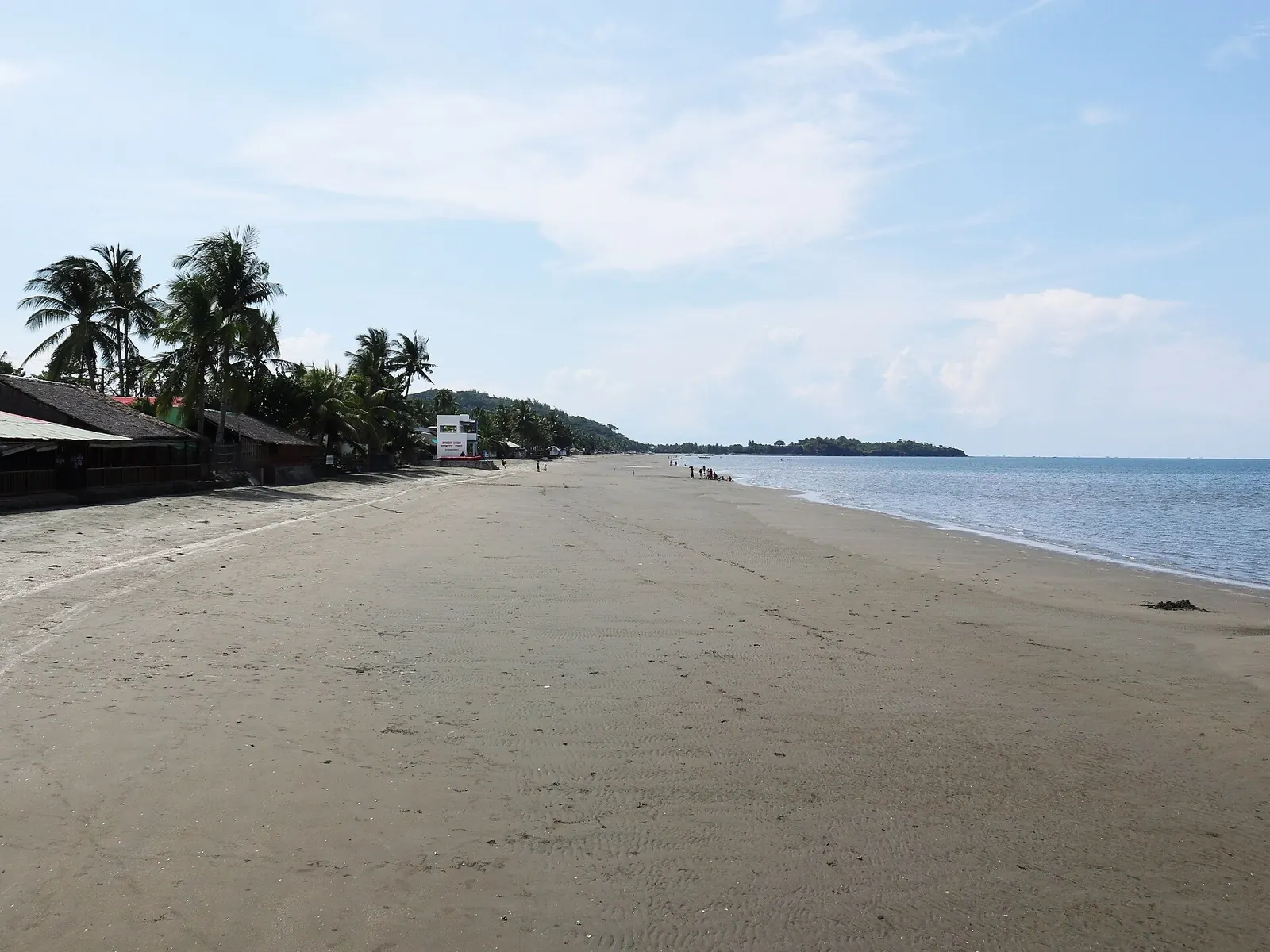 Food
FoodOyster farming in Roxas City reveals the research and community work behind a province’s seafood reputation.
 Life
LifeThe patadyong weavers of Bugasong show how a slower visit can focus on skill, changing materials and the decisions behind a familiar cloth.
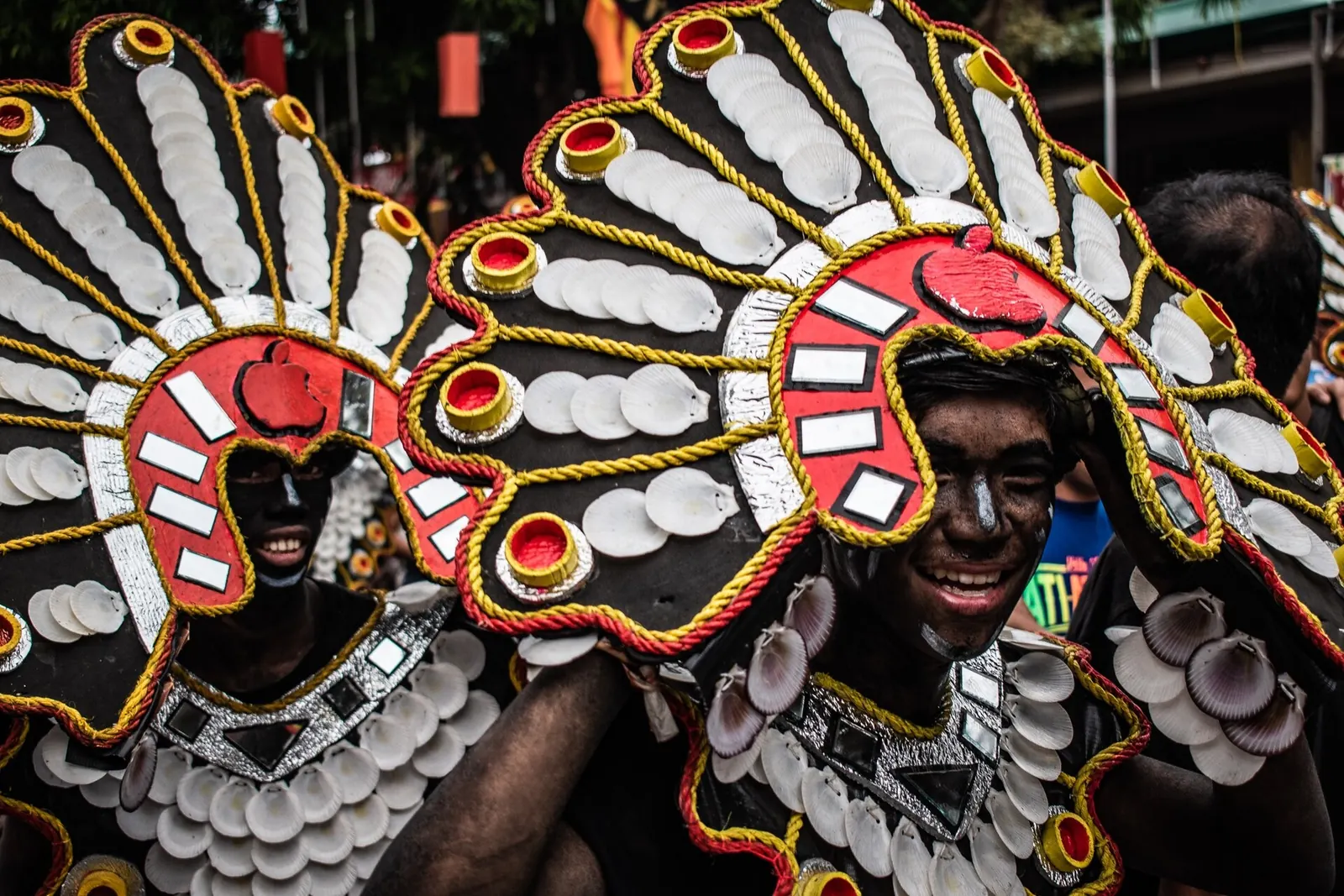 Culture
Piña weaving offers another way to know Aklan: through the patient transformation of pineapple leaves into cloth.
 Places
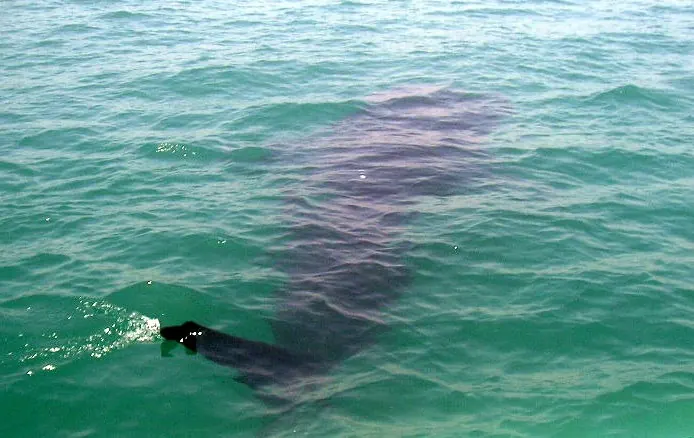
In Donsol, the value of a whale-shark encounter depends on allowing a wild animal to remain wild.
 Places
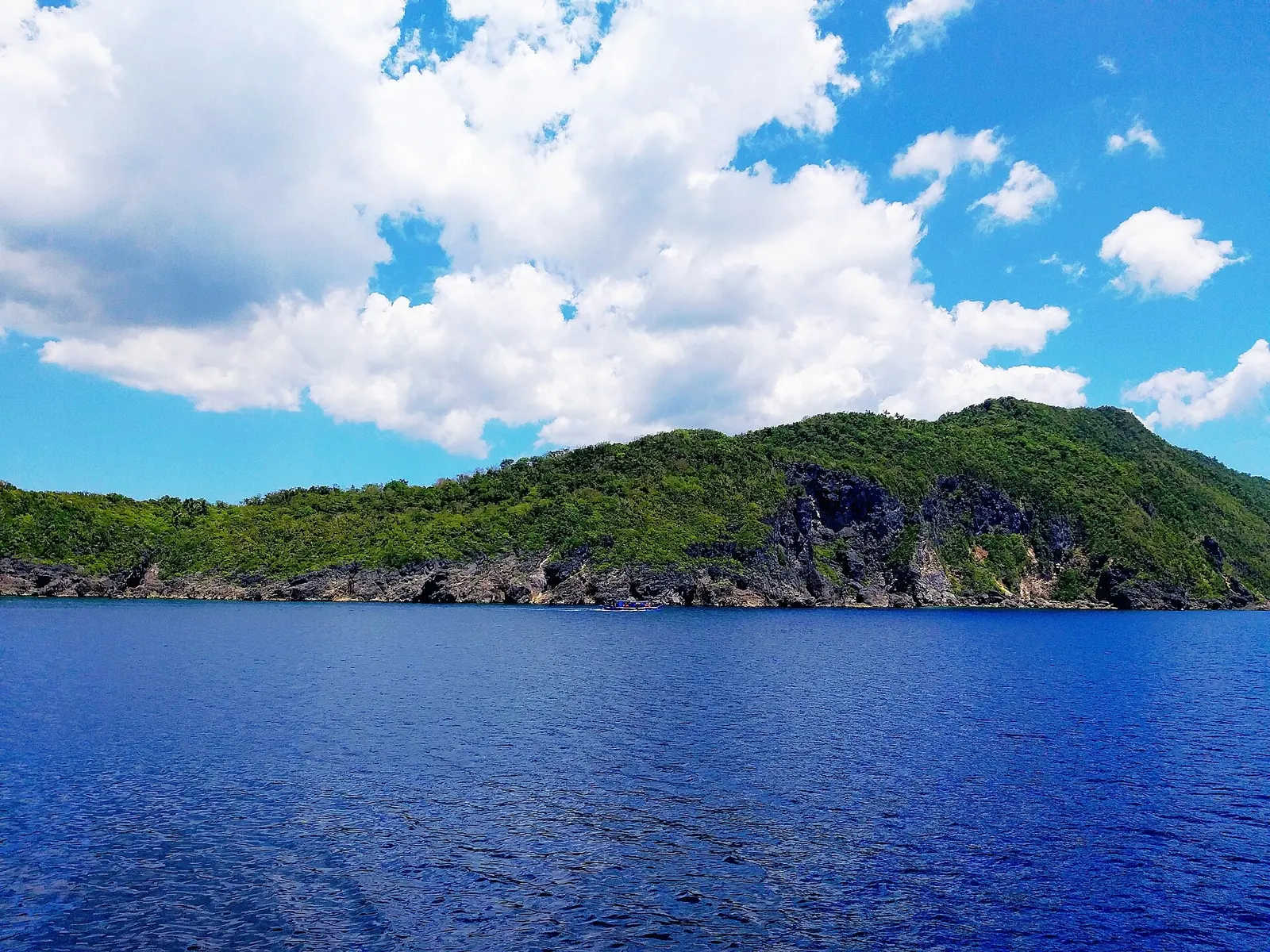
A small bronze bell and a group of islands offer an alternative introduction to a province often described only through cattle and coastlines.
 Places
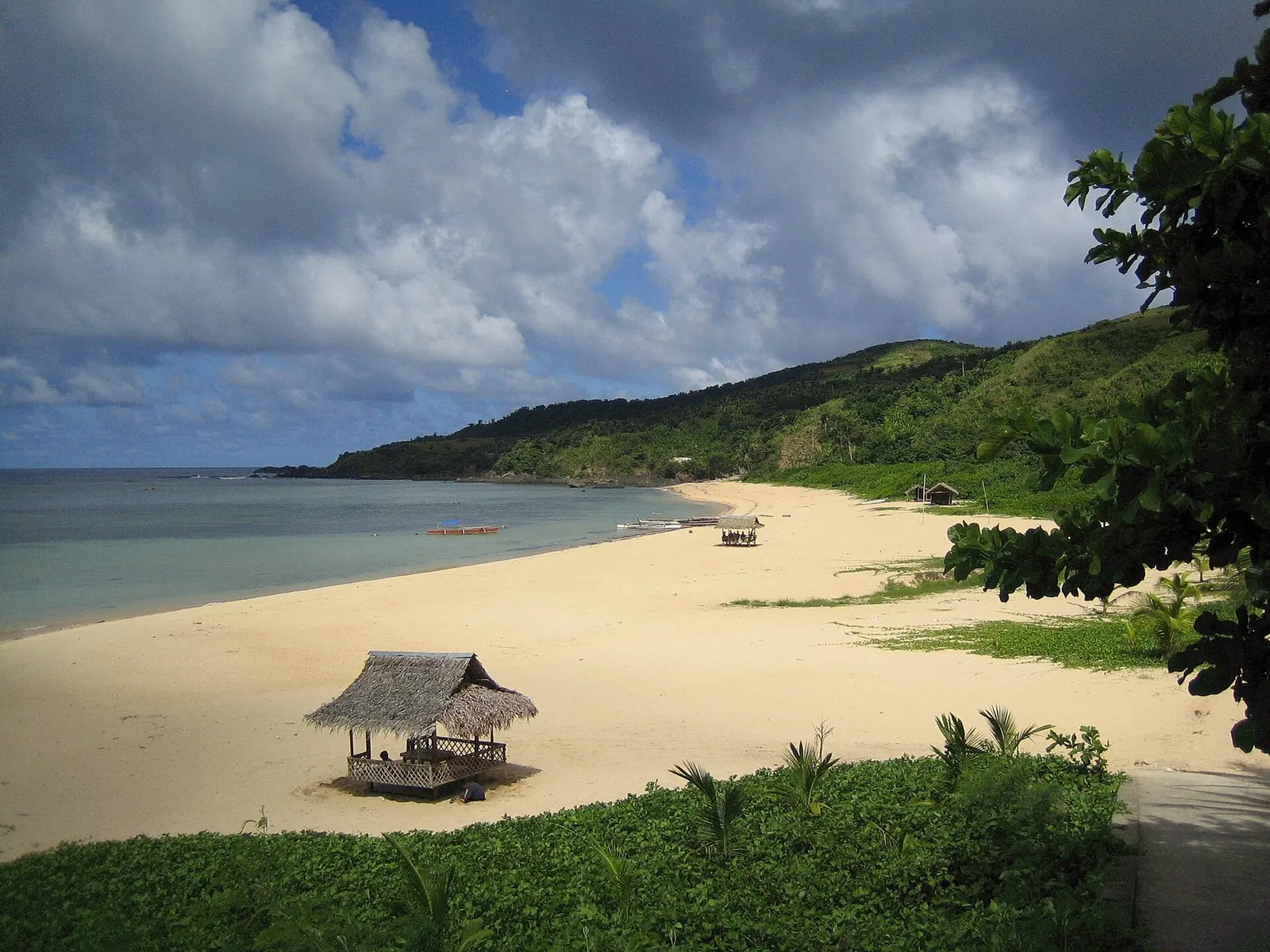
Behind Catanduanes’s coastal identity is an agricultural material connecting farmers with Philippine textiles and international trade.
 Places
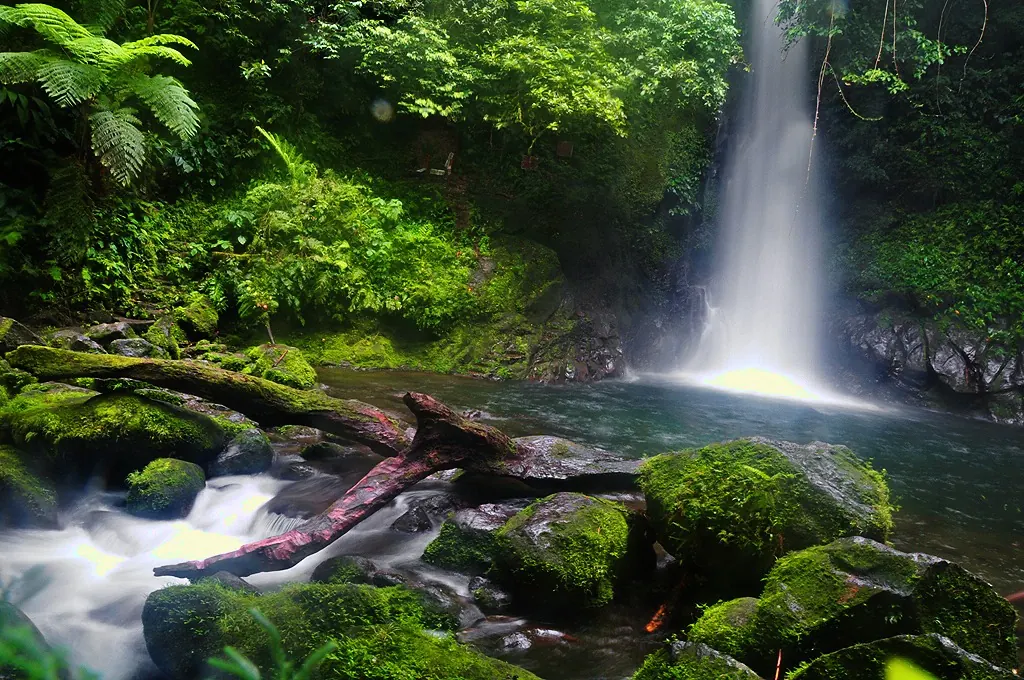
Malabsay Falls offers a visible entry into a much larger relationship between an upland protected area and the city below it.
 Places
A monument in Daet and communities in the Calaguas islands show why Camarines Norte deserves more than a beach-only introduction.
 Places
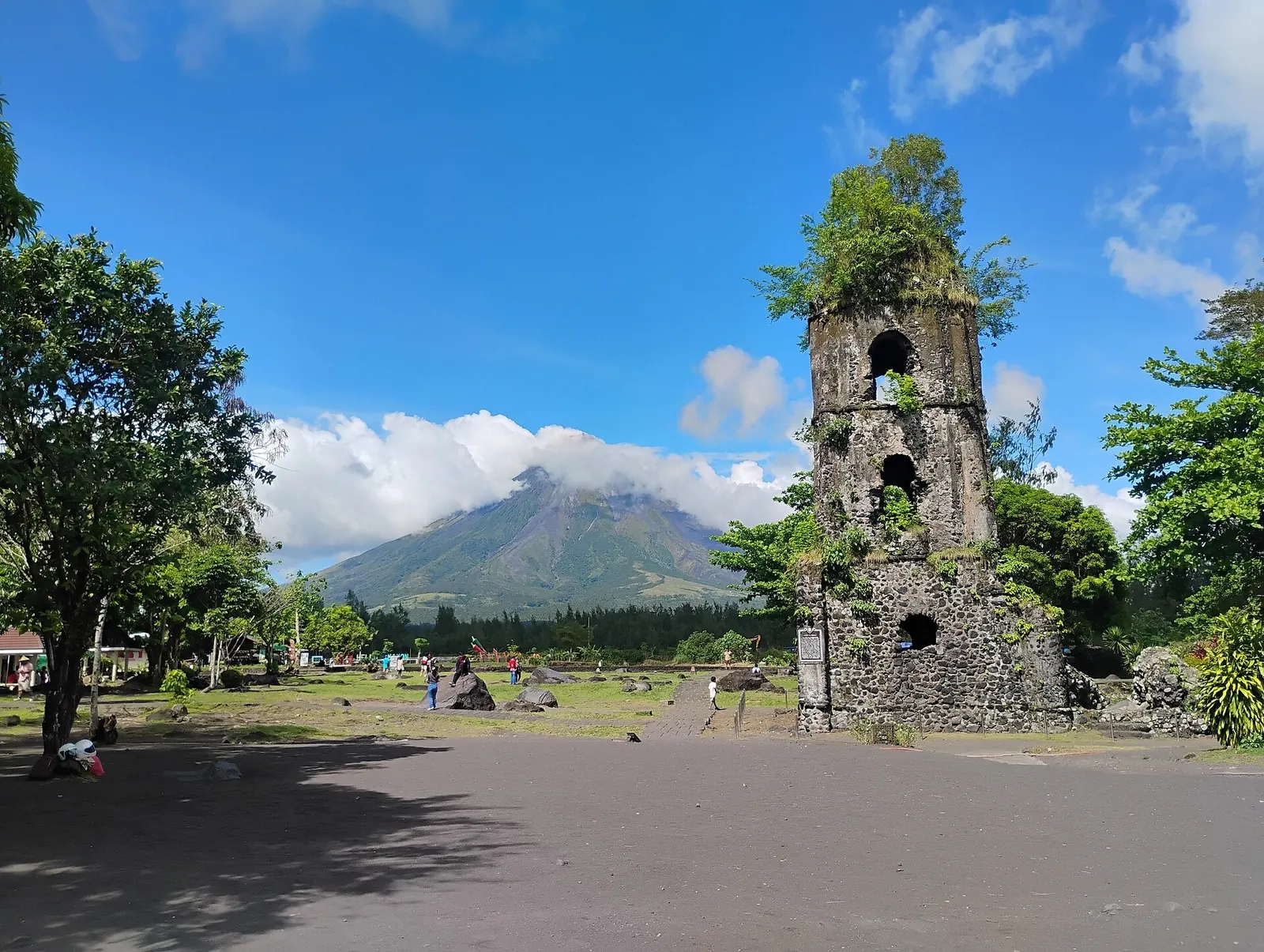
The relationship between Cagsawa and Daraga makes Mayon’s landscape a story of settlement, loss and rebuilding.
 Places
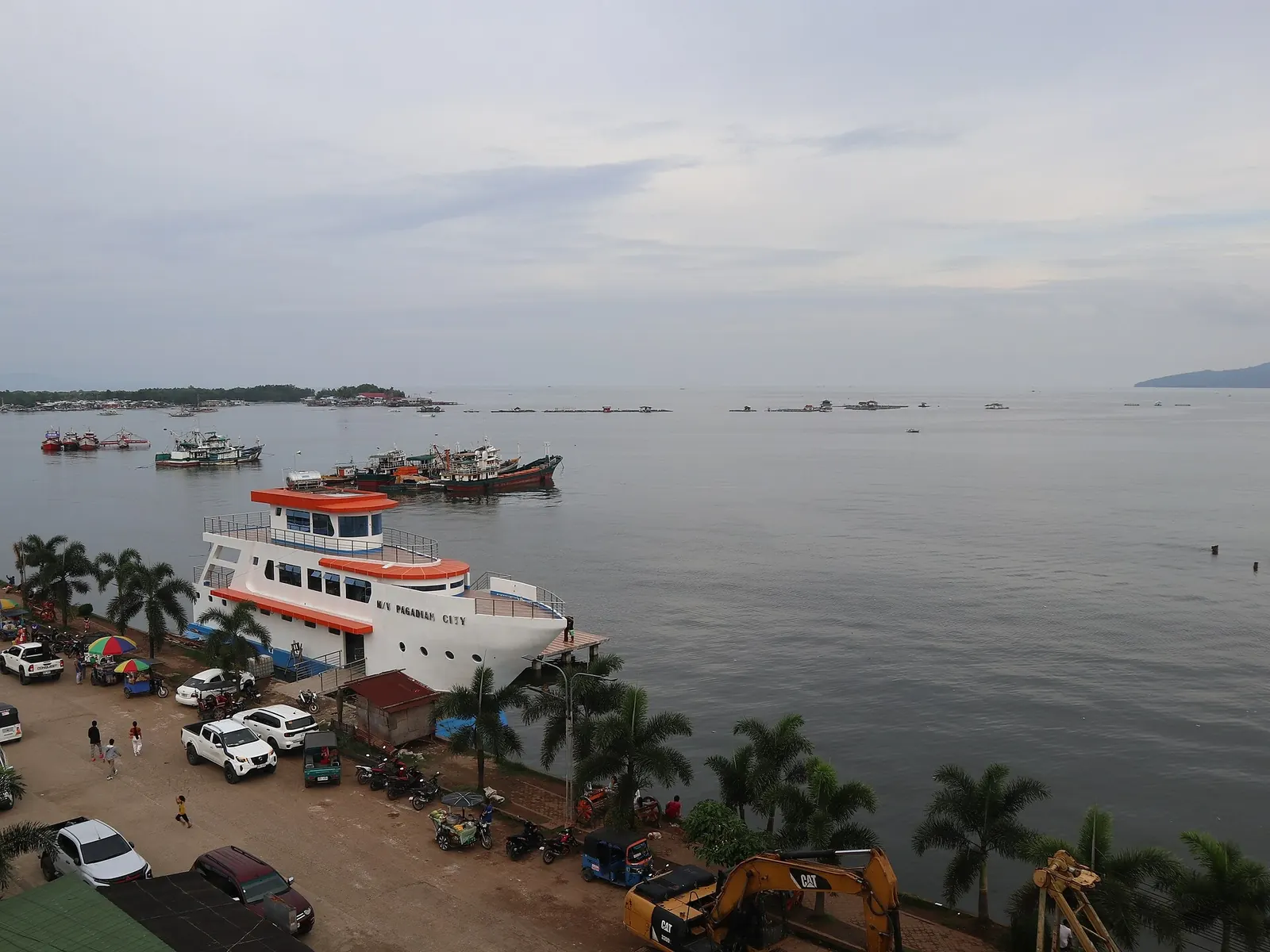
Pagadian’s changing elevation offers a useful way to read the city before looking farther into Zamboanga del Sur.
 Places
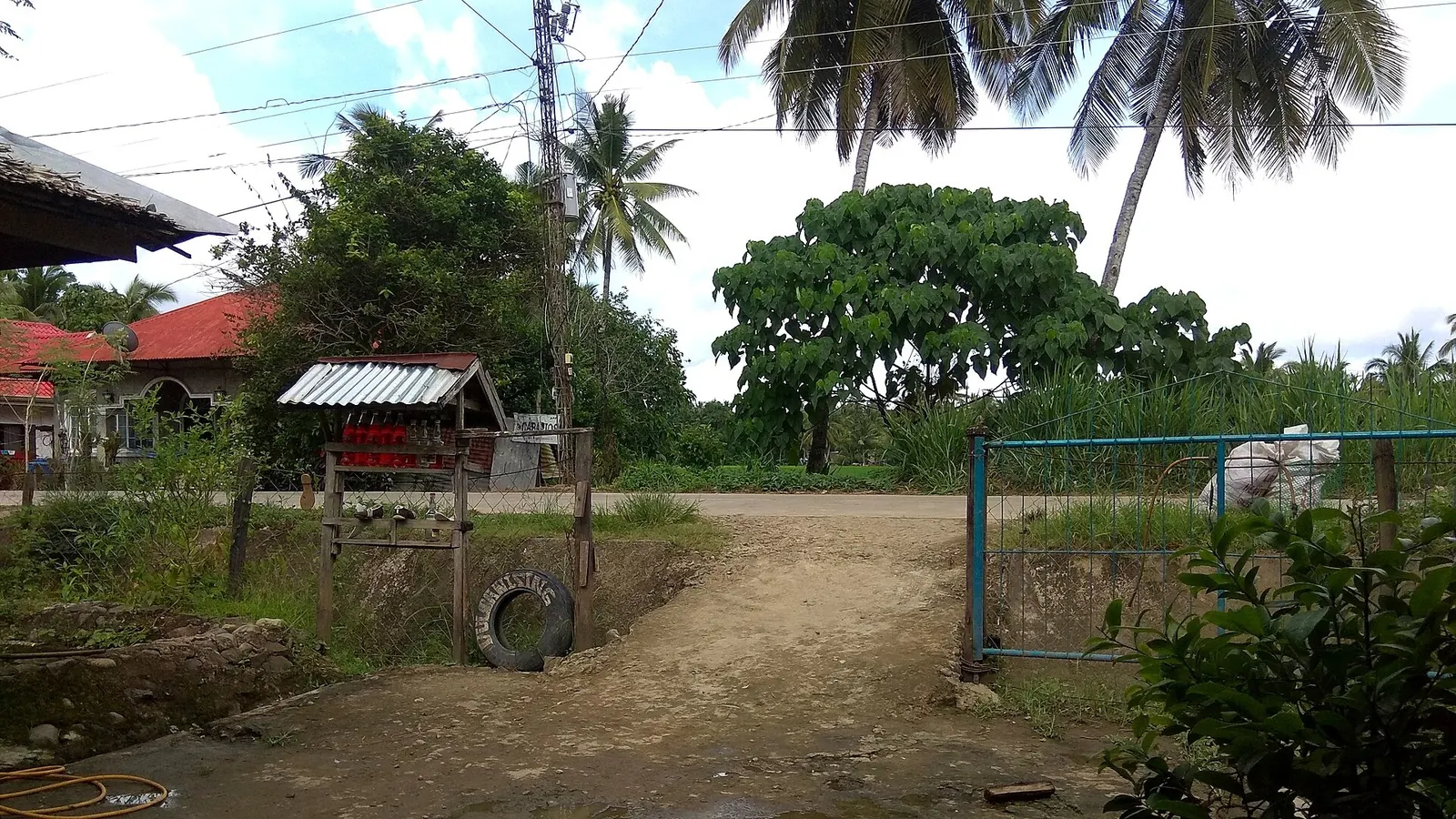
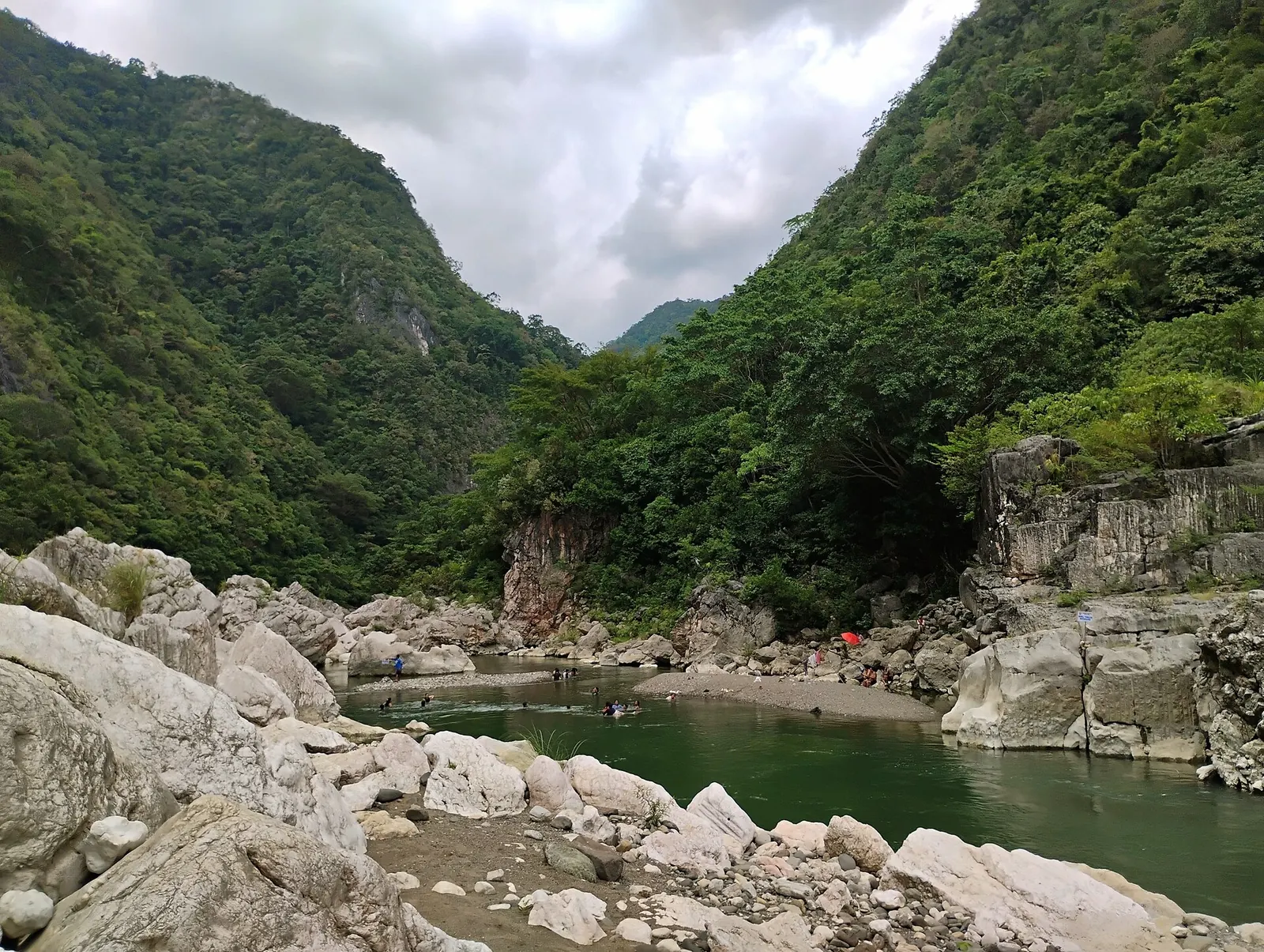
Olutanga’s coastal environments and the Naga–Kabasalan uplands show why Sibugay is better understood through connected habitats than isolated beauty spots.
 Arts and Music
The Angono–Binangonan petroglyphs connect an ancient marked landscape with the modern artist who brought it to museum attention.
 Culture
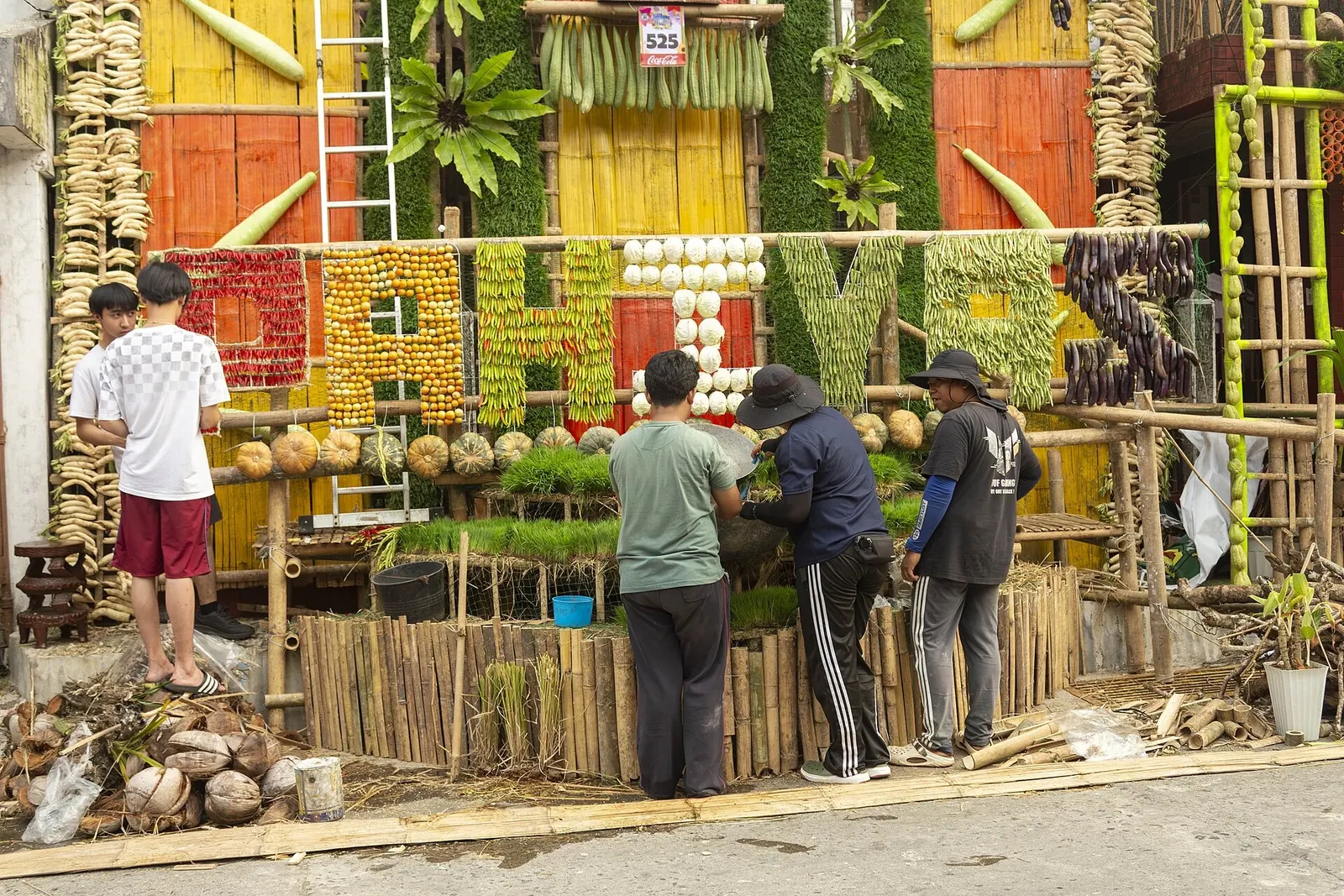
At Lucban’s Pahiyas, rice wafers and decorated houses express a harvest thanksgiving with a particular religious and local setting.
 Life
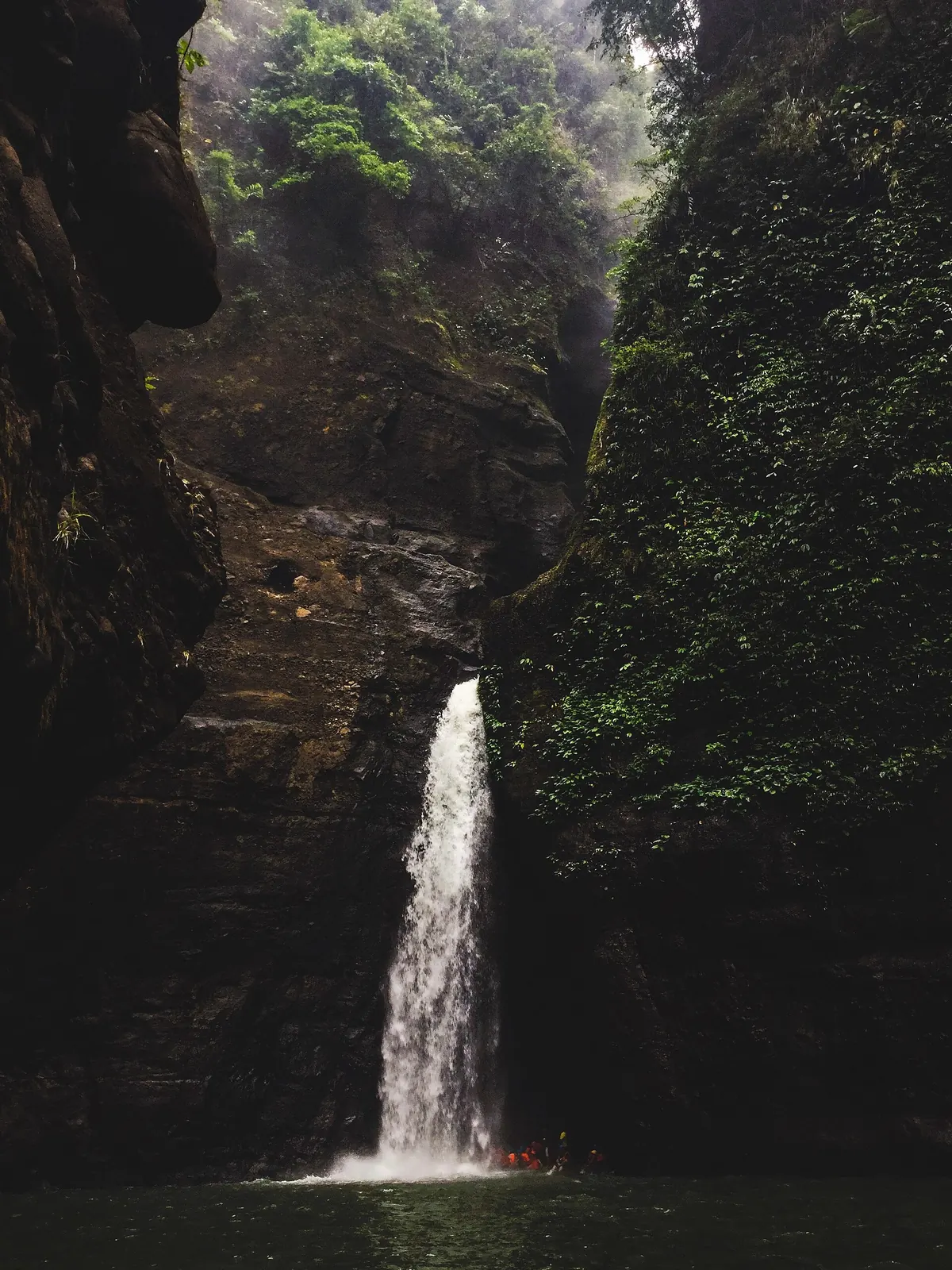
LifeThe distinction between Pagsanjan and Cavinti reveals how a famous waterfall connects several communities.
 History
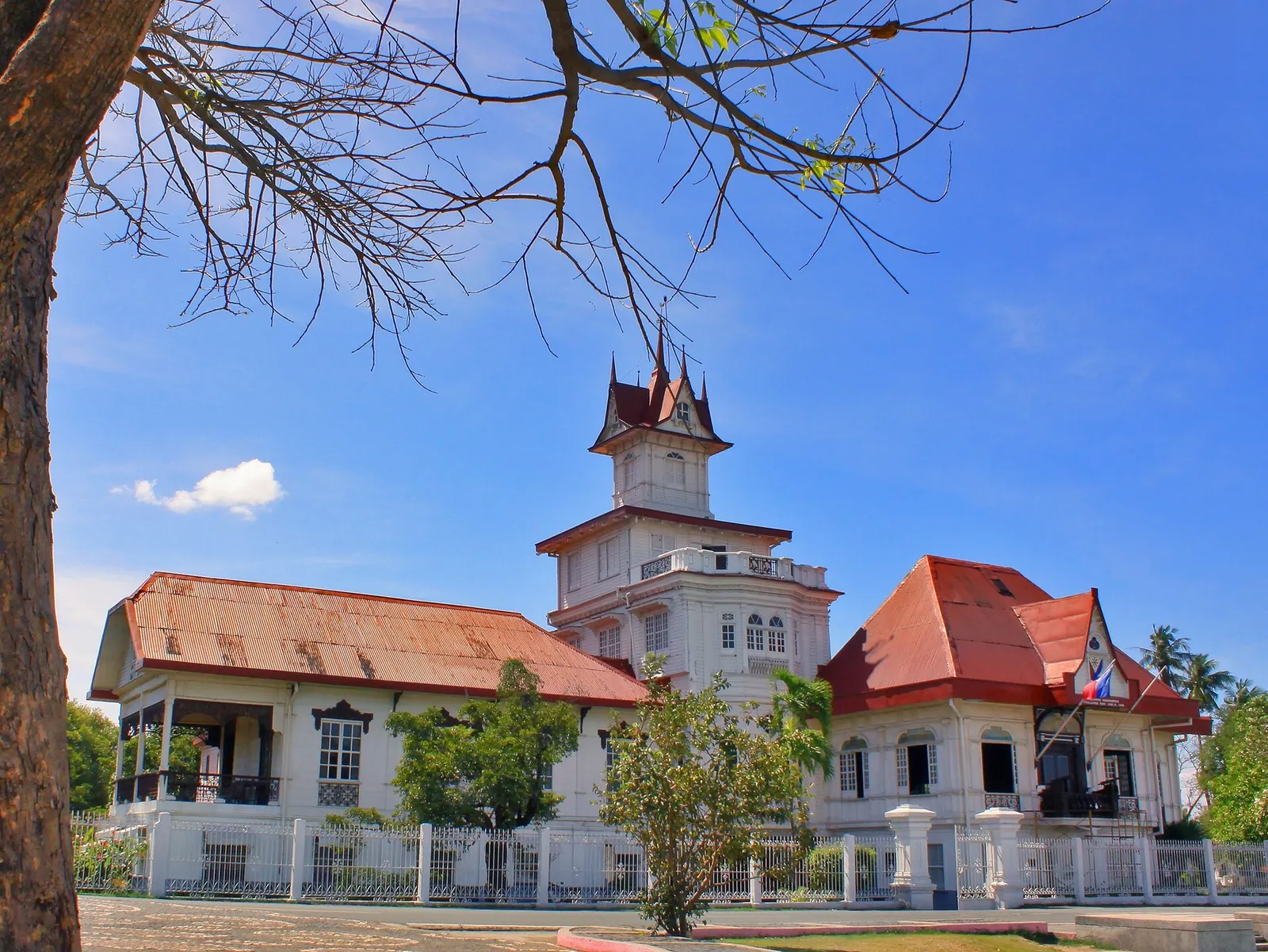
Kawit and Maragondon reveal different sides of the Philippine Revolution: a declaration of independence and a bitter internal conflict.
 Places
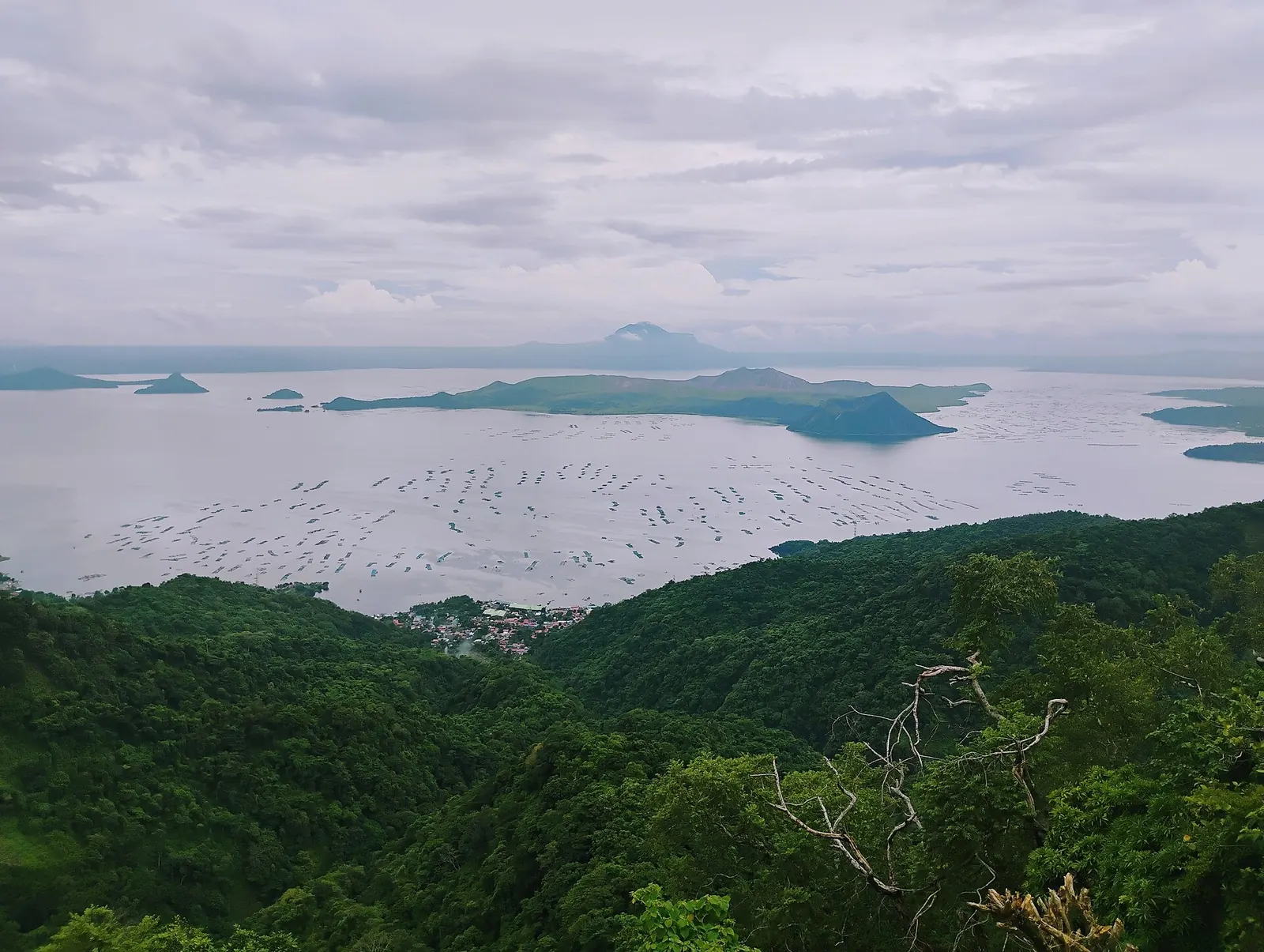
Taal’s volcanic landscape and Anilao’s diving coast require two very different kinds of preparation.
 Places
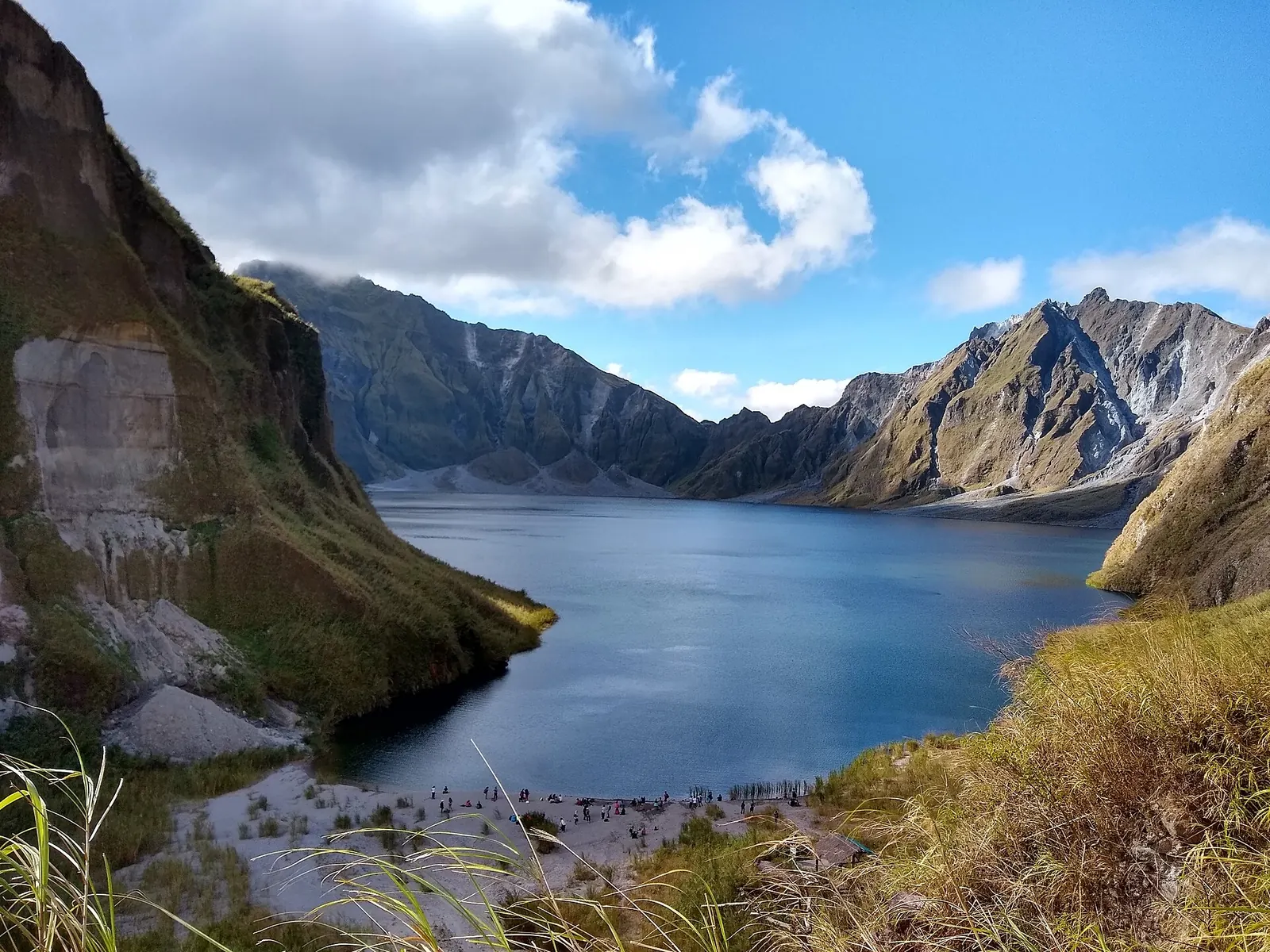
Mapanuepe Lake shows why Pinatubo’s story continued after the great eruption of June 1991.
 Life
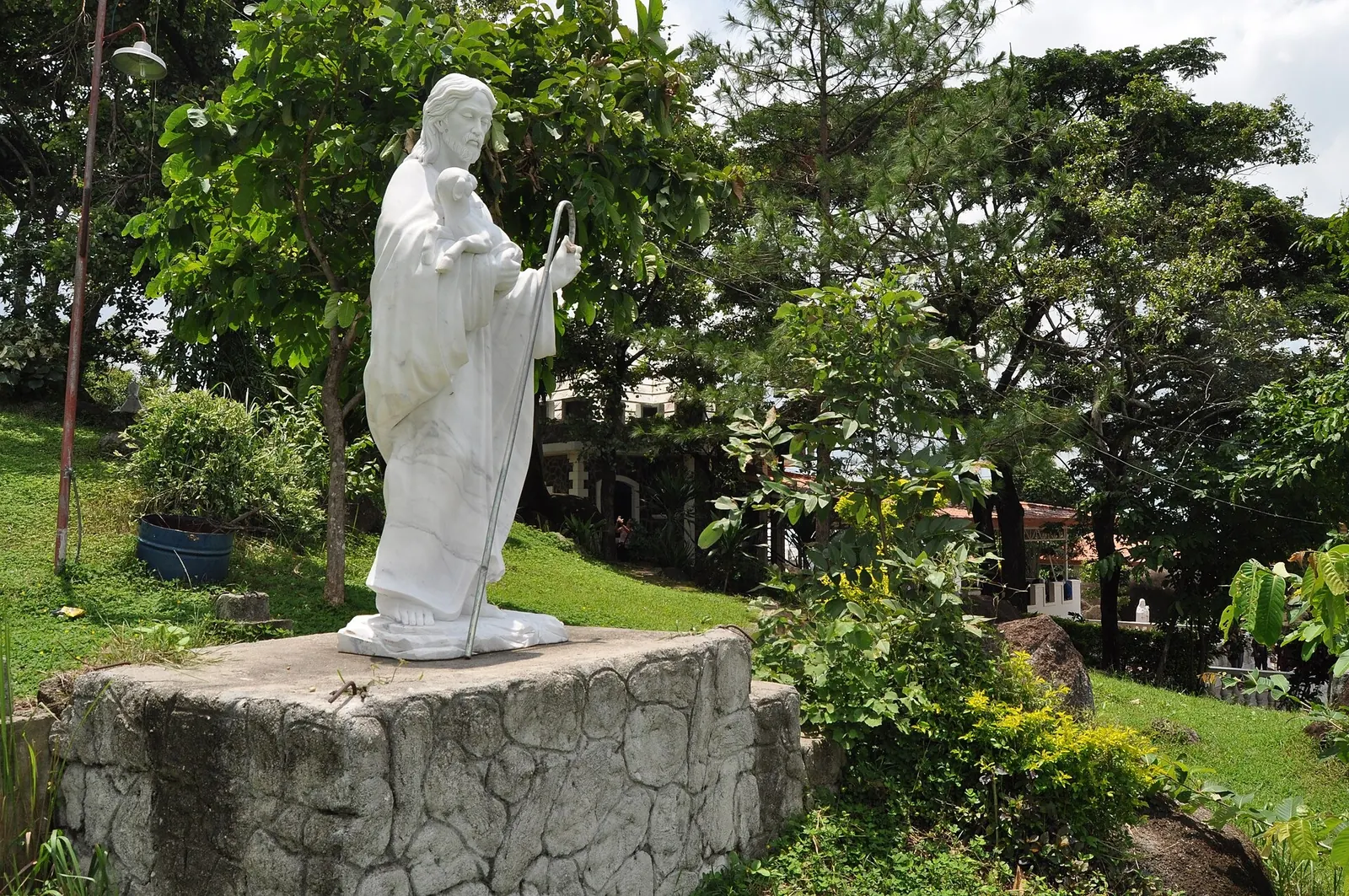
LifeAt Capas, understanding the final stages of the Death March gives a memorial visit the time and attention it deserves.
Allow Google Analytics cookies to measure visits and reading activity? This is optional and separate from advertising. You can change your choice anytime. Privacy details