
 Places
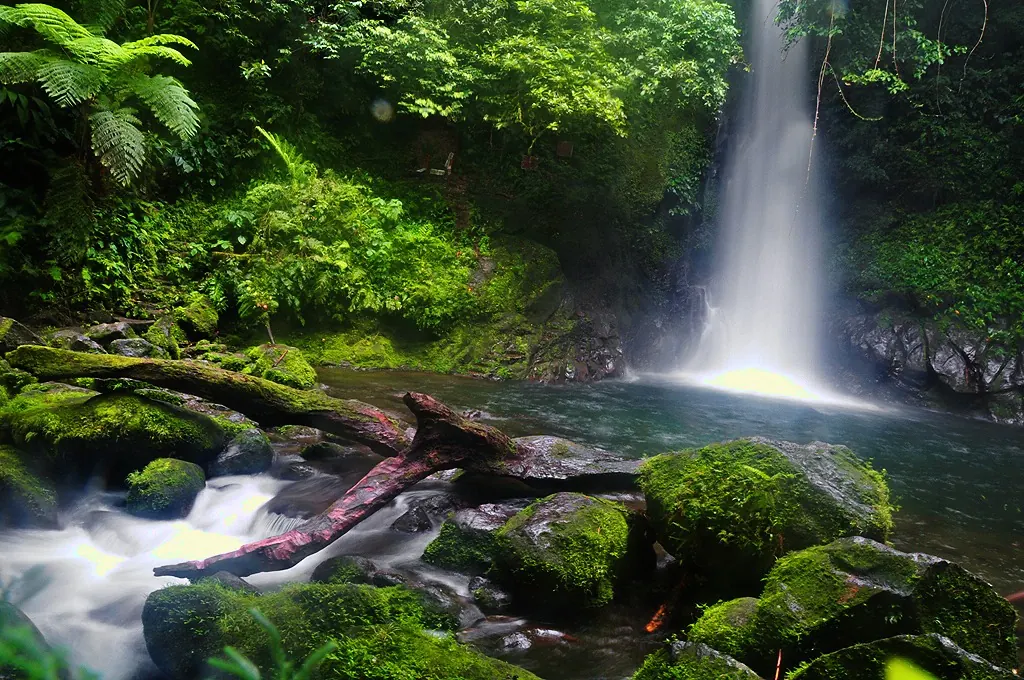
Camarines Sur: Water at the Foot of Isarog
Malabsay Falls offers a visible entry into a much larger relationship between an upland protected area and the city below it.
Explore Philippine islands, mountain landscapes, historic towns and places worth a closer look, with occasional journeys beyond the Philippines.
PlacesMalabsay Falls offers a visible entry into a much larger relationship between an upland protected area and the city below it.
 Places
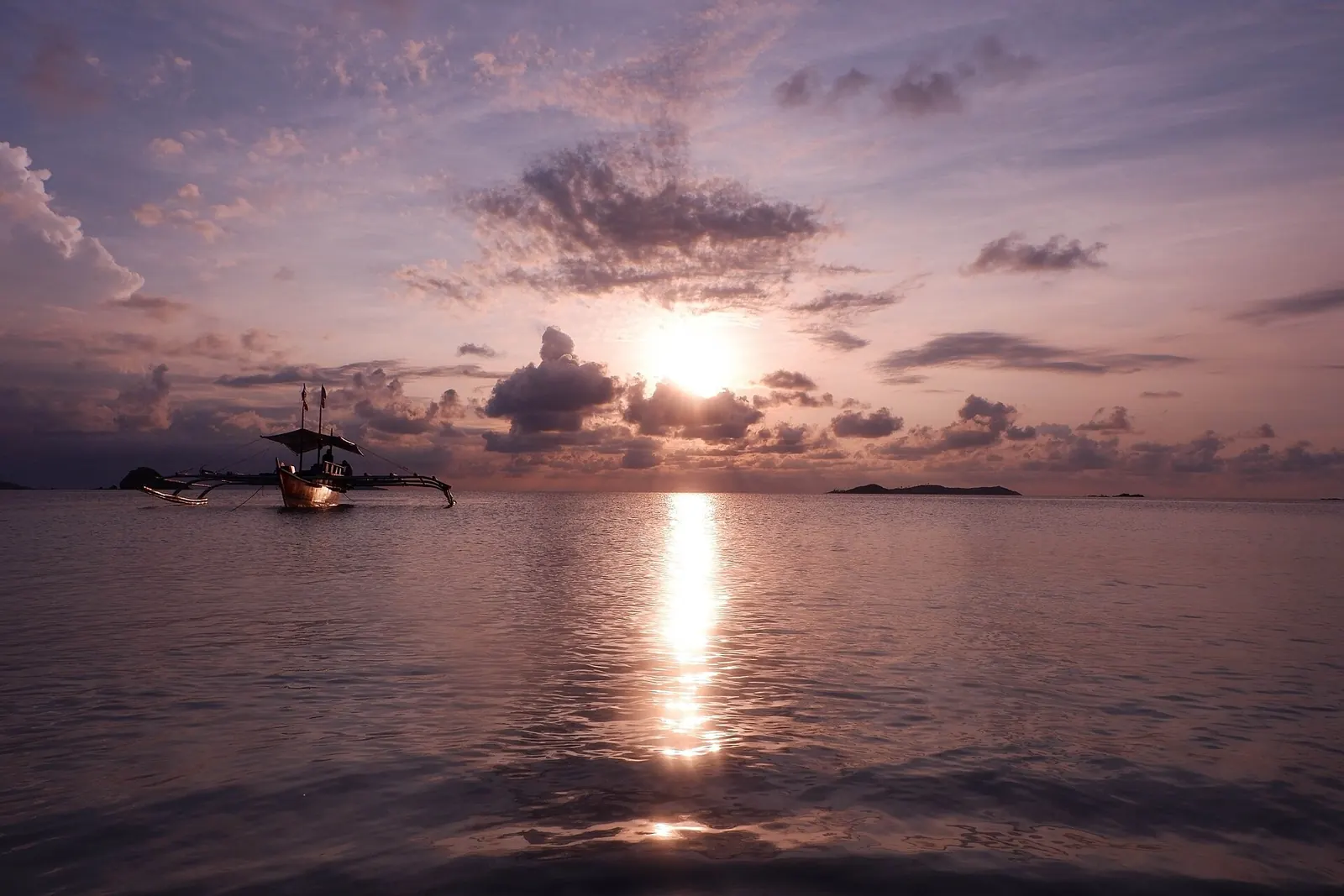
A monument in Daet and communities in the Calaguas islands show why Camarines Norte deserves more than a beach-only introduction.
 Places
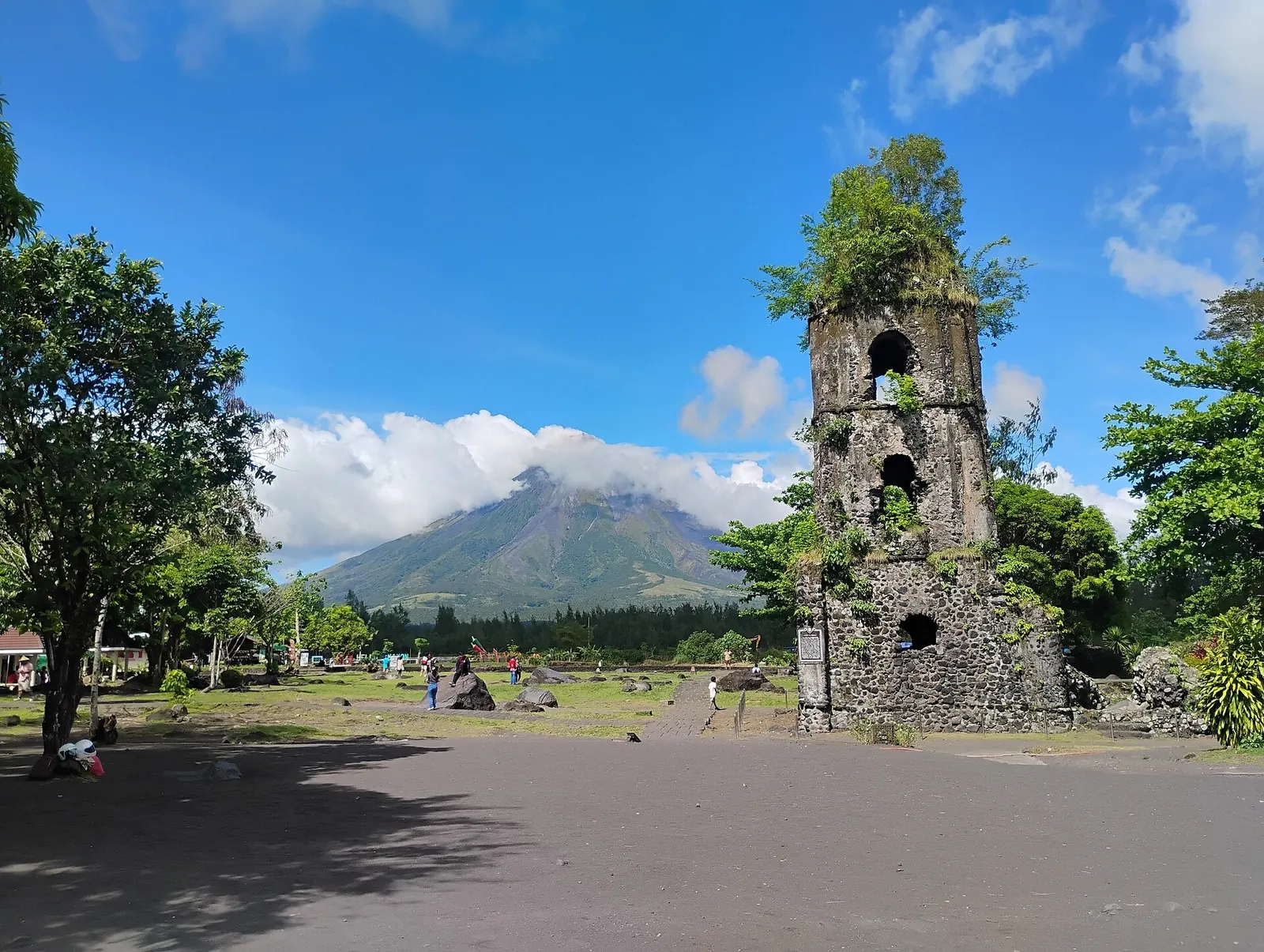
The relationship between Cagsawa and Daraga makes Mayon’s landscape a story of settlement, loss and rebuilding.
 Places
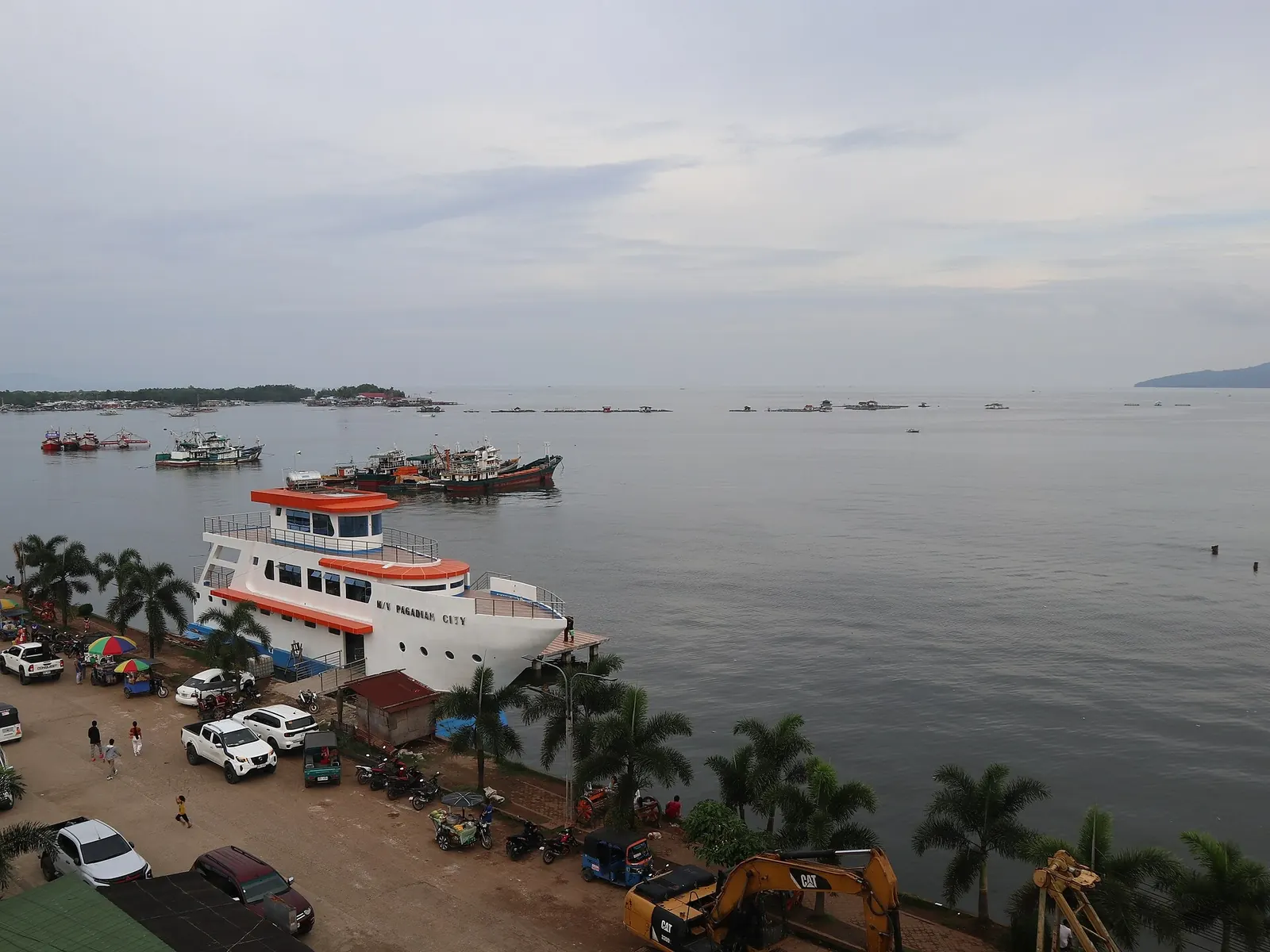
Pagadian’s changing elevation offers a useful way to read the city before looking farther into Zamboanga del Sur.
 Places
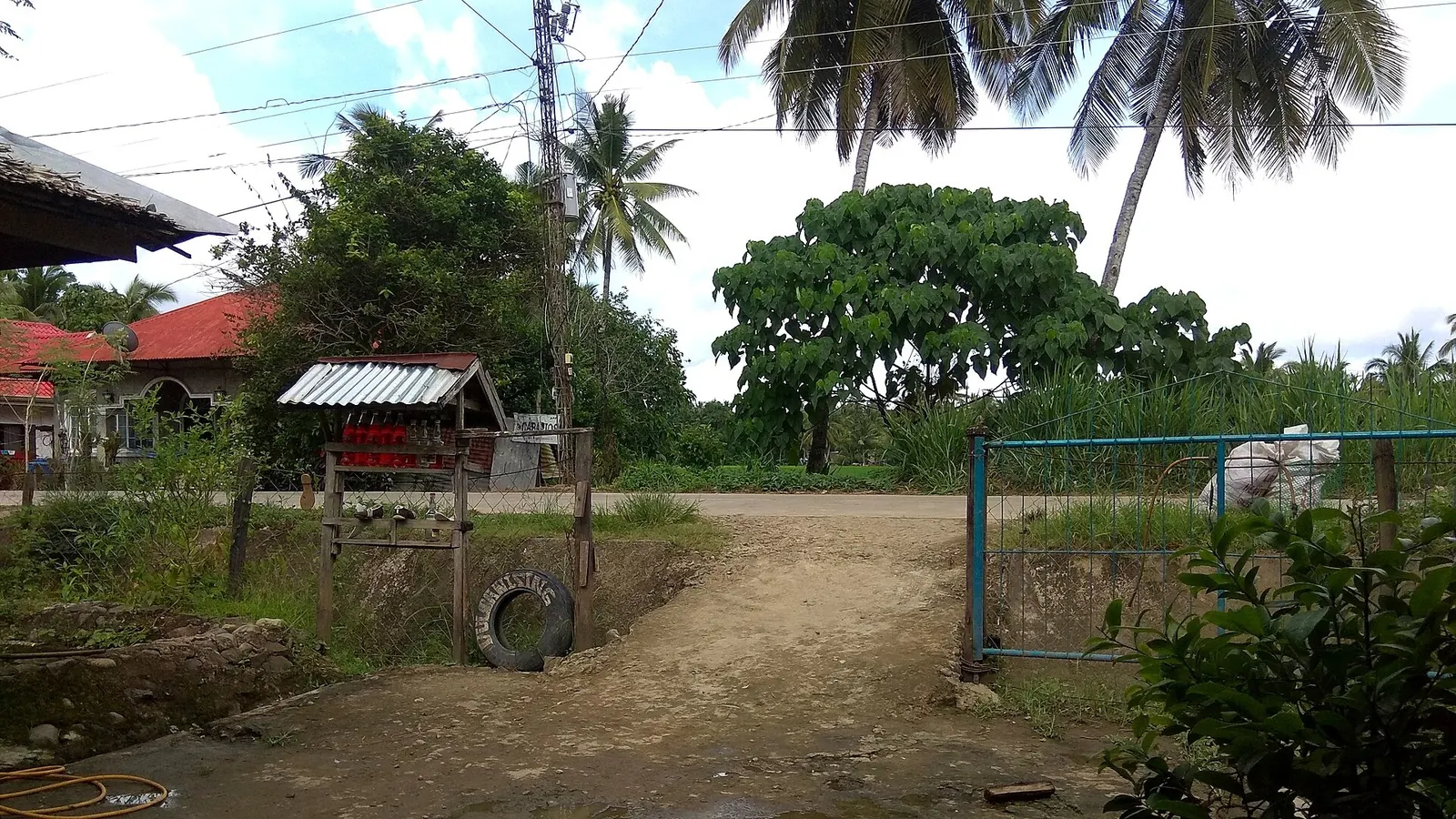
Olutanga’s coastal environments and the Naga–Kabasalan uplands show why Sibugay is better understood through connected habitats than isolated beauty spots.
 Life
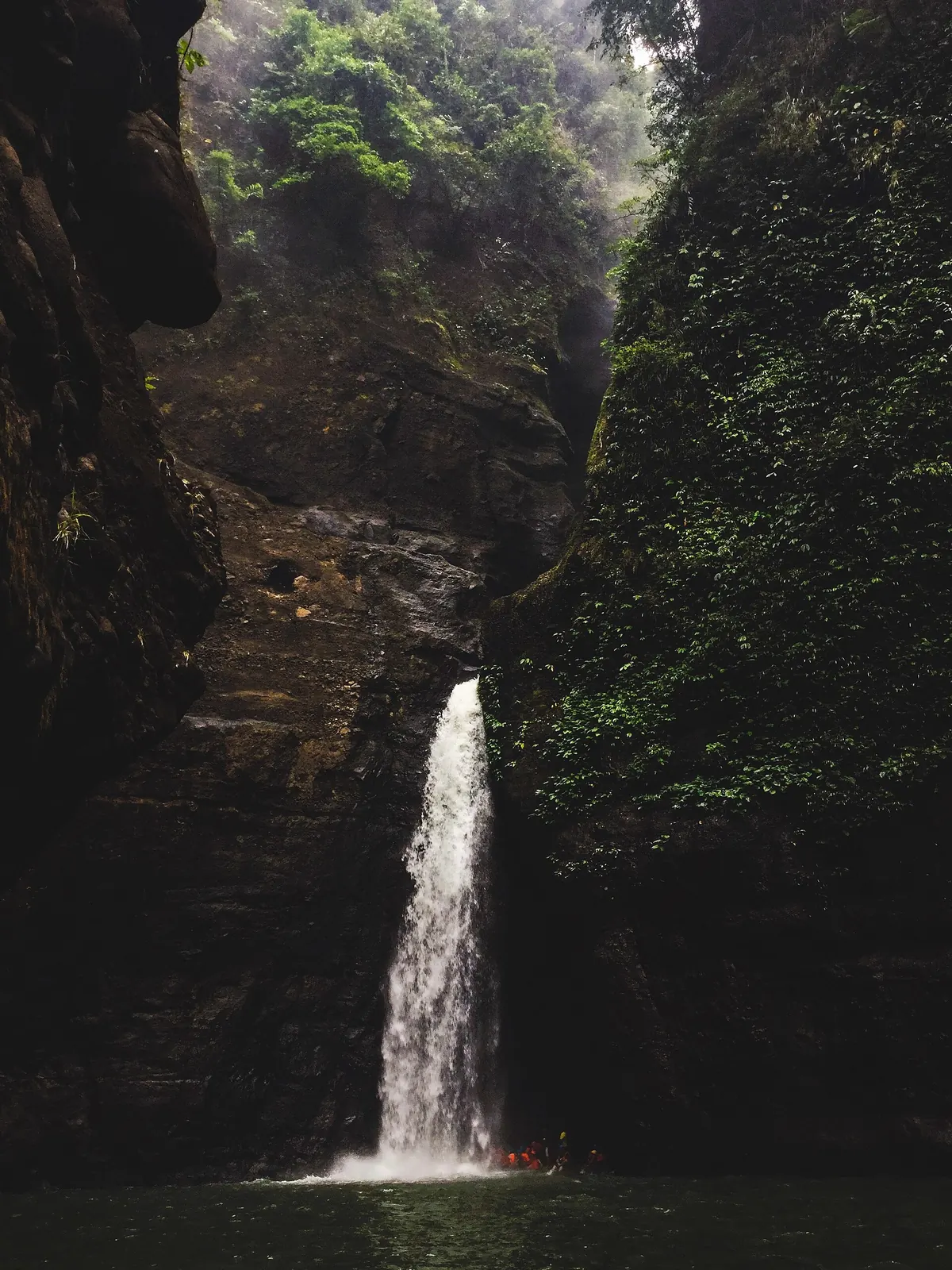
LifeThe distinction between Pagsanjan and Cavinti reveals how a famous waterfall connects several communities.
 History
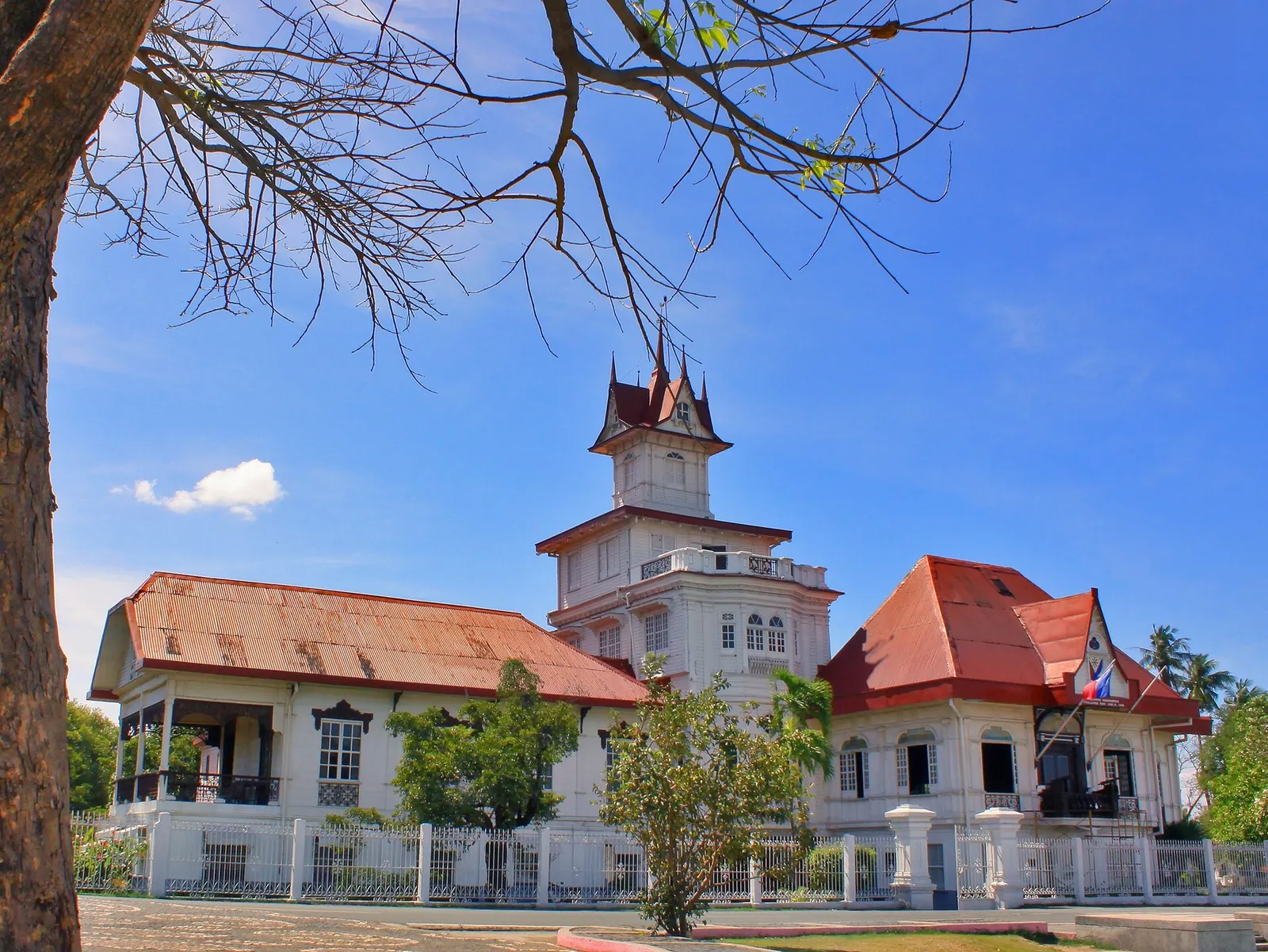
Kawit and Maragondon reveal different sides of the Philippine Revolution: a declaration of independence and a bitter internal conflict.
 Places
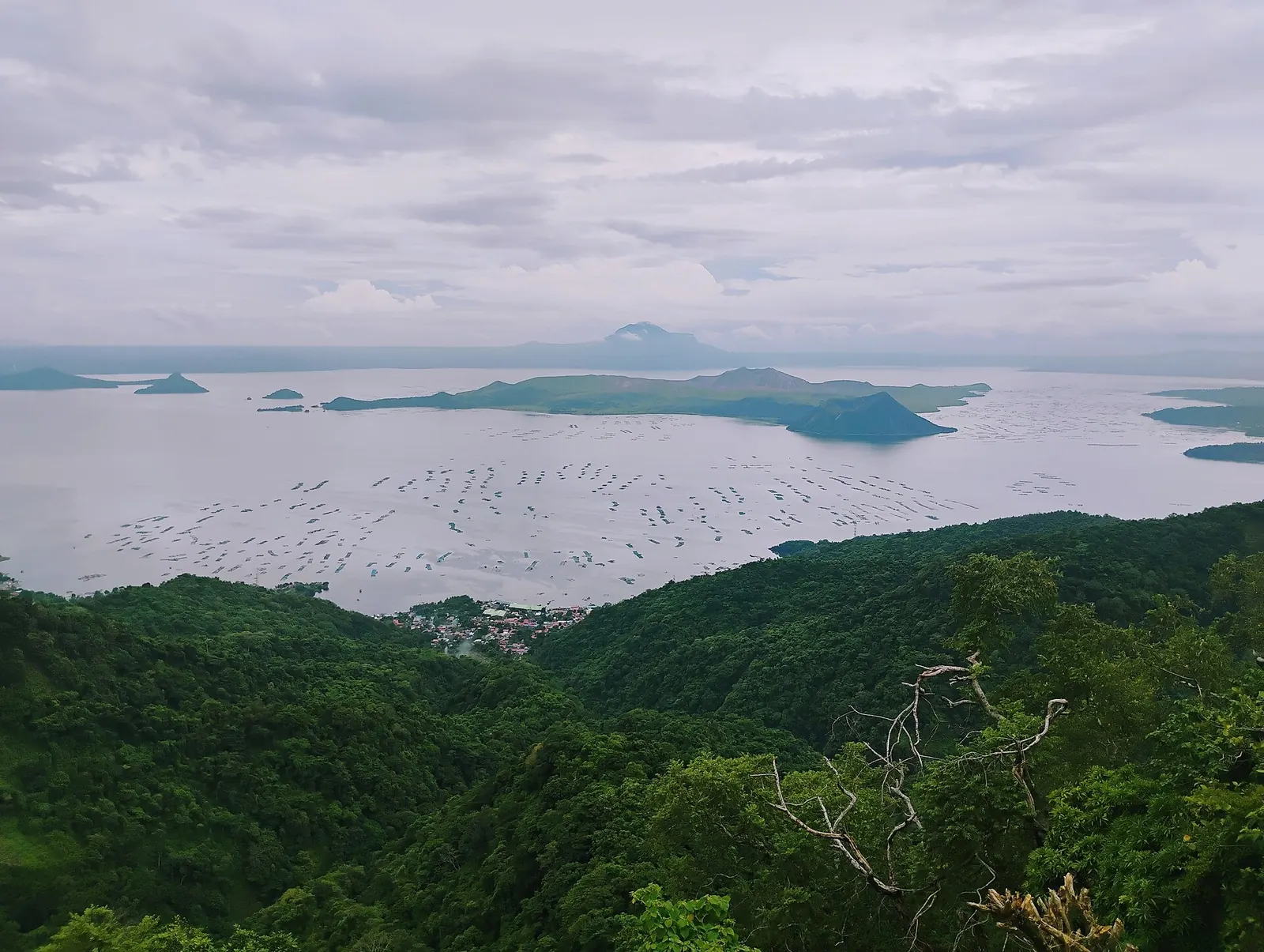
Taal’s volcanic landscape and Anilao’s diving coast require two very different kinds of preparation.
 Places
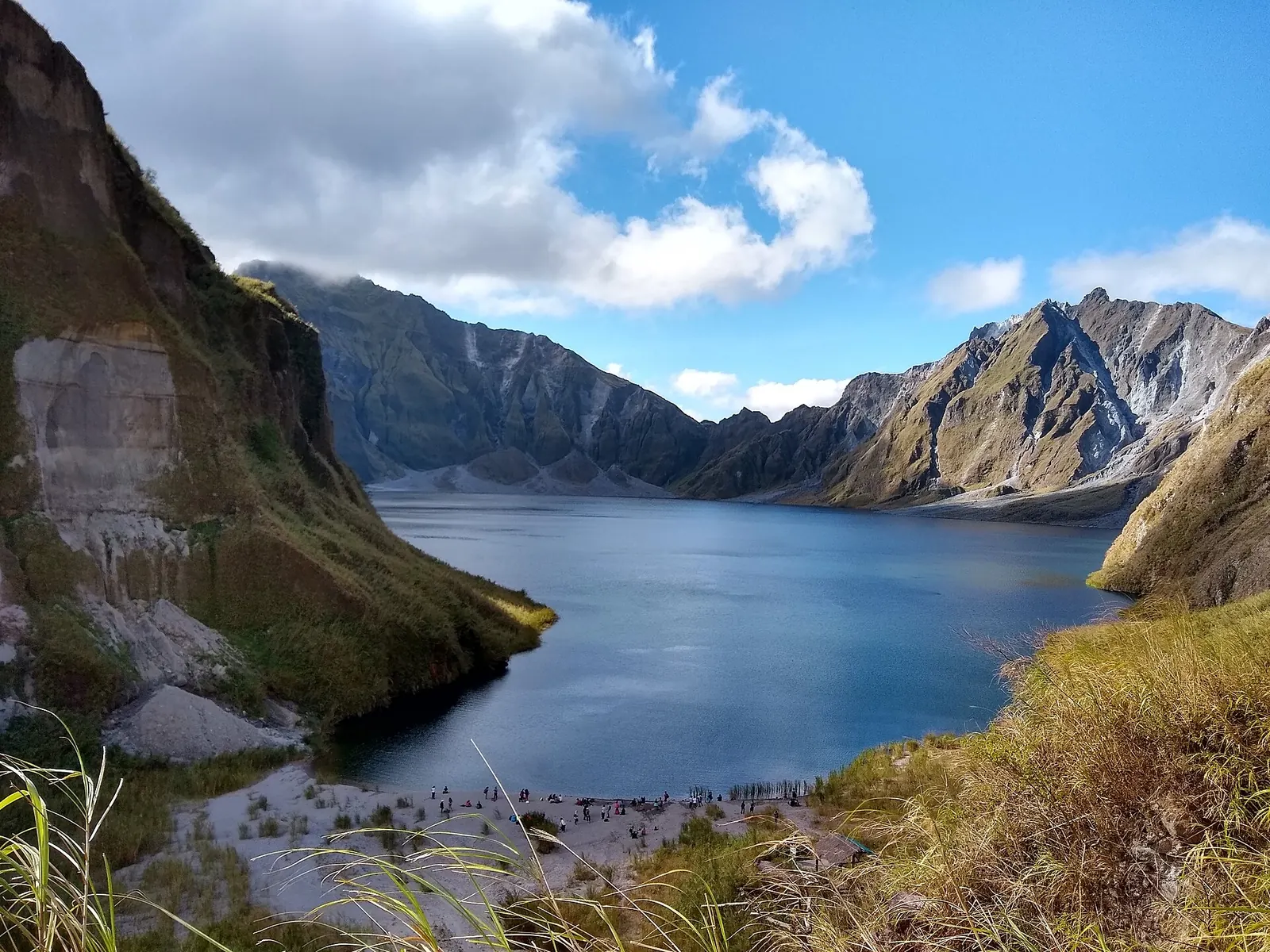
Mapanuepe Lake shows why Pinatubo’s story continued after the great eruption of June 1991.
 Life
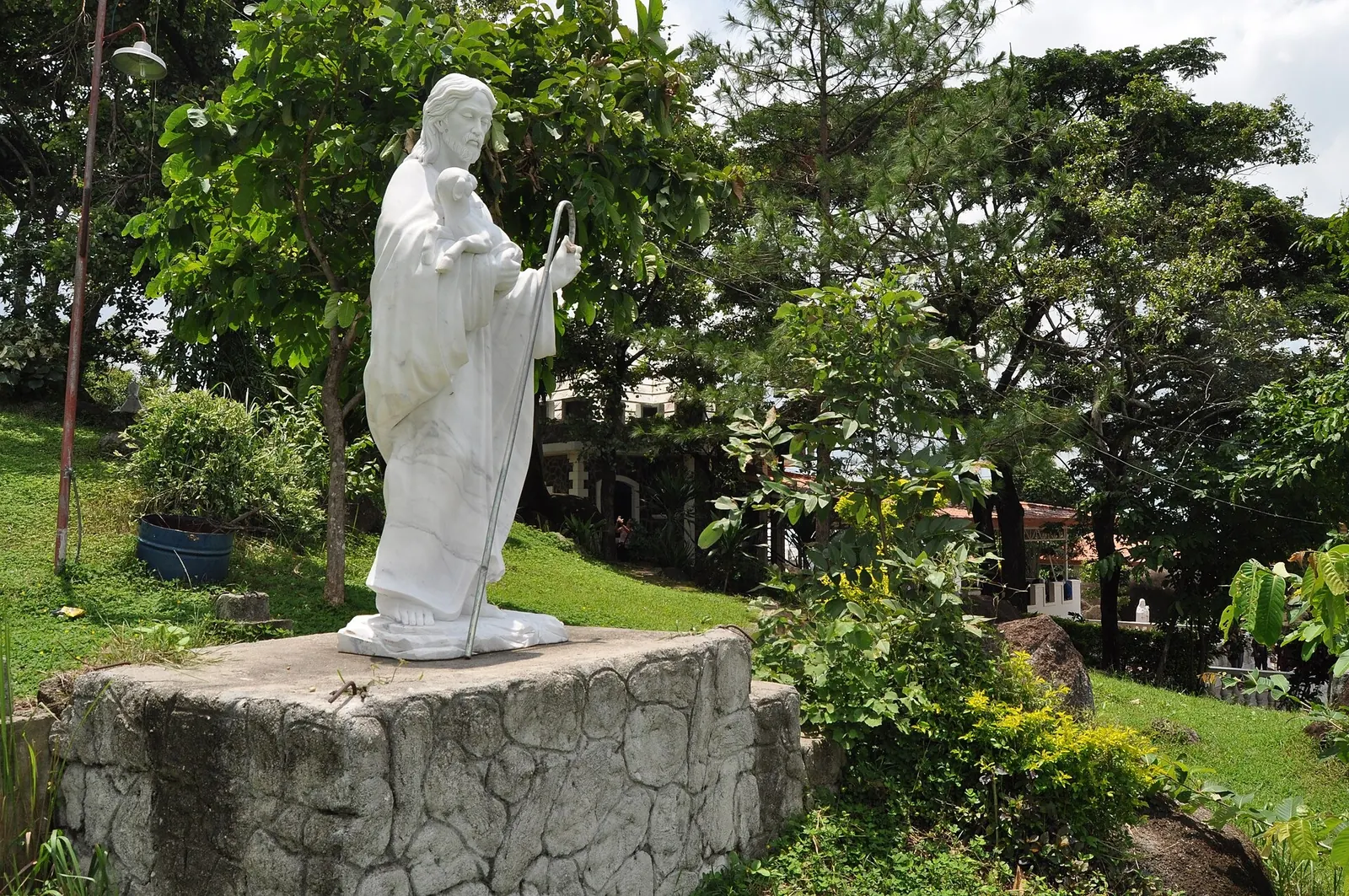
LifeAt Capas, understanding the final stages of the Death March gives a memorial visit the time and attention it deserves.
 History
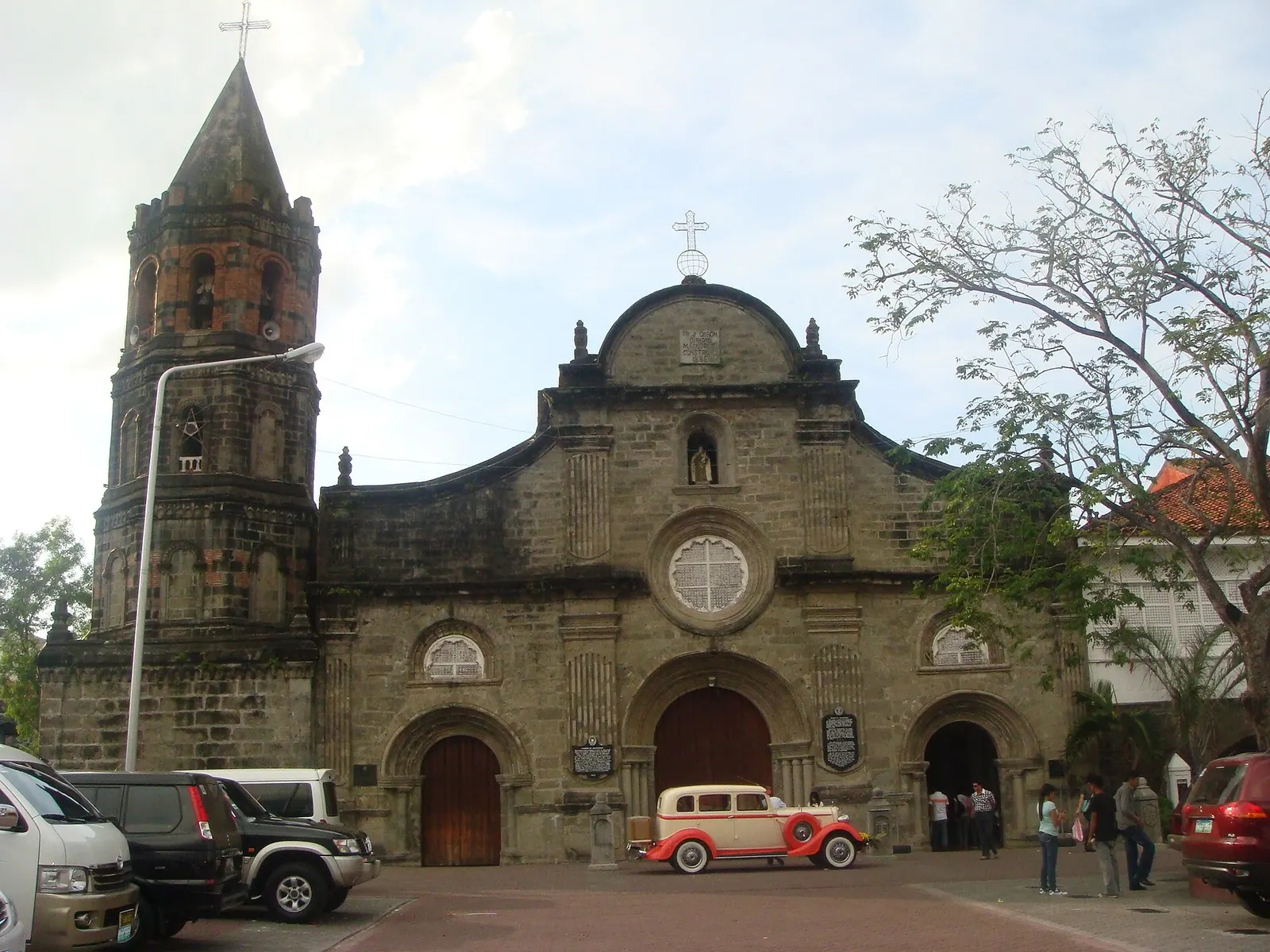
At Barasoain, a church, a congress and a constitution show how the Philippine Republic was given an institutional form.
 History
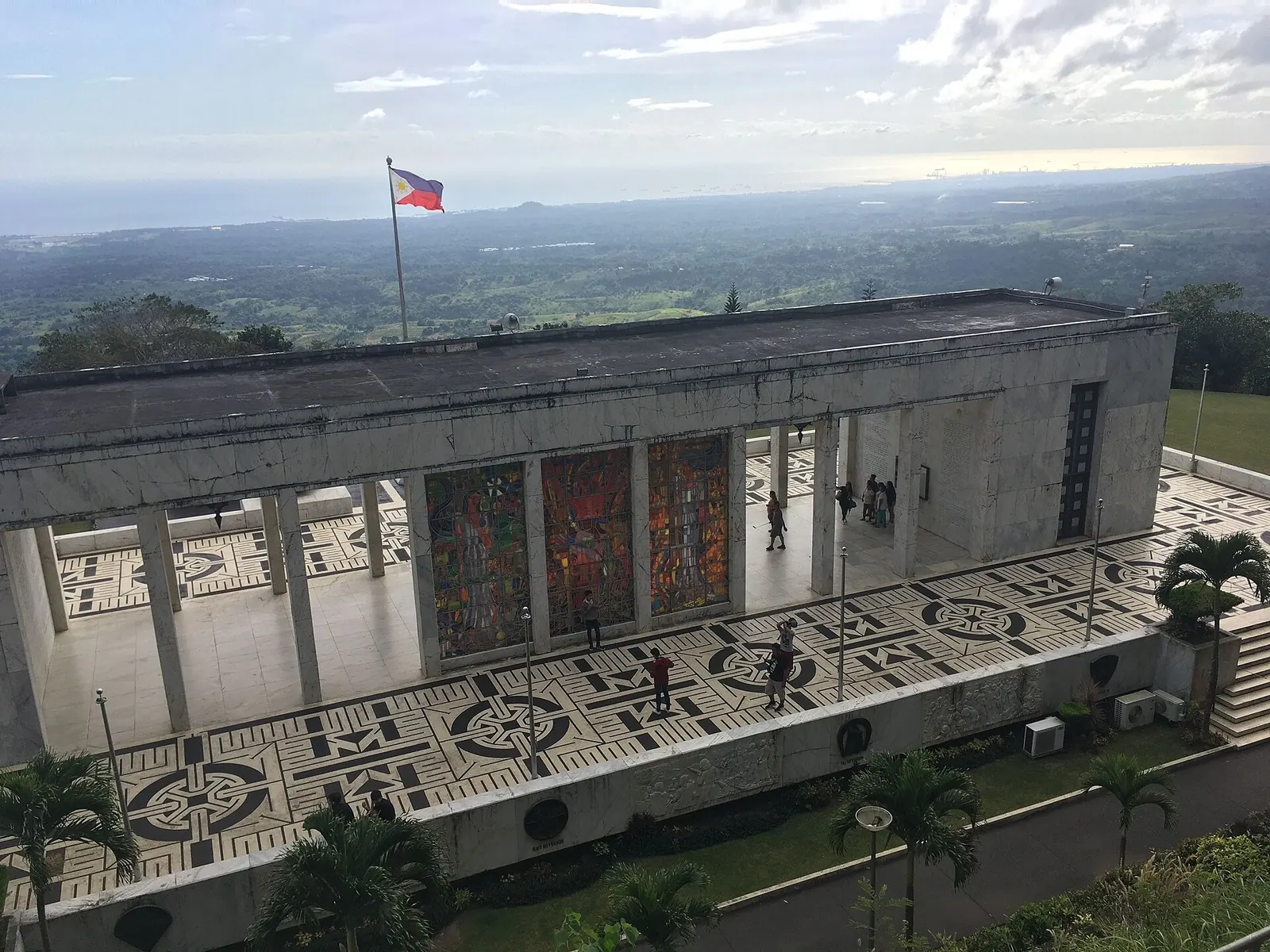
The peninsula’s memorials are best read as parts of a wartime sequence, rather than interchangeable monuments.
 Places
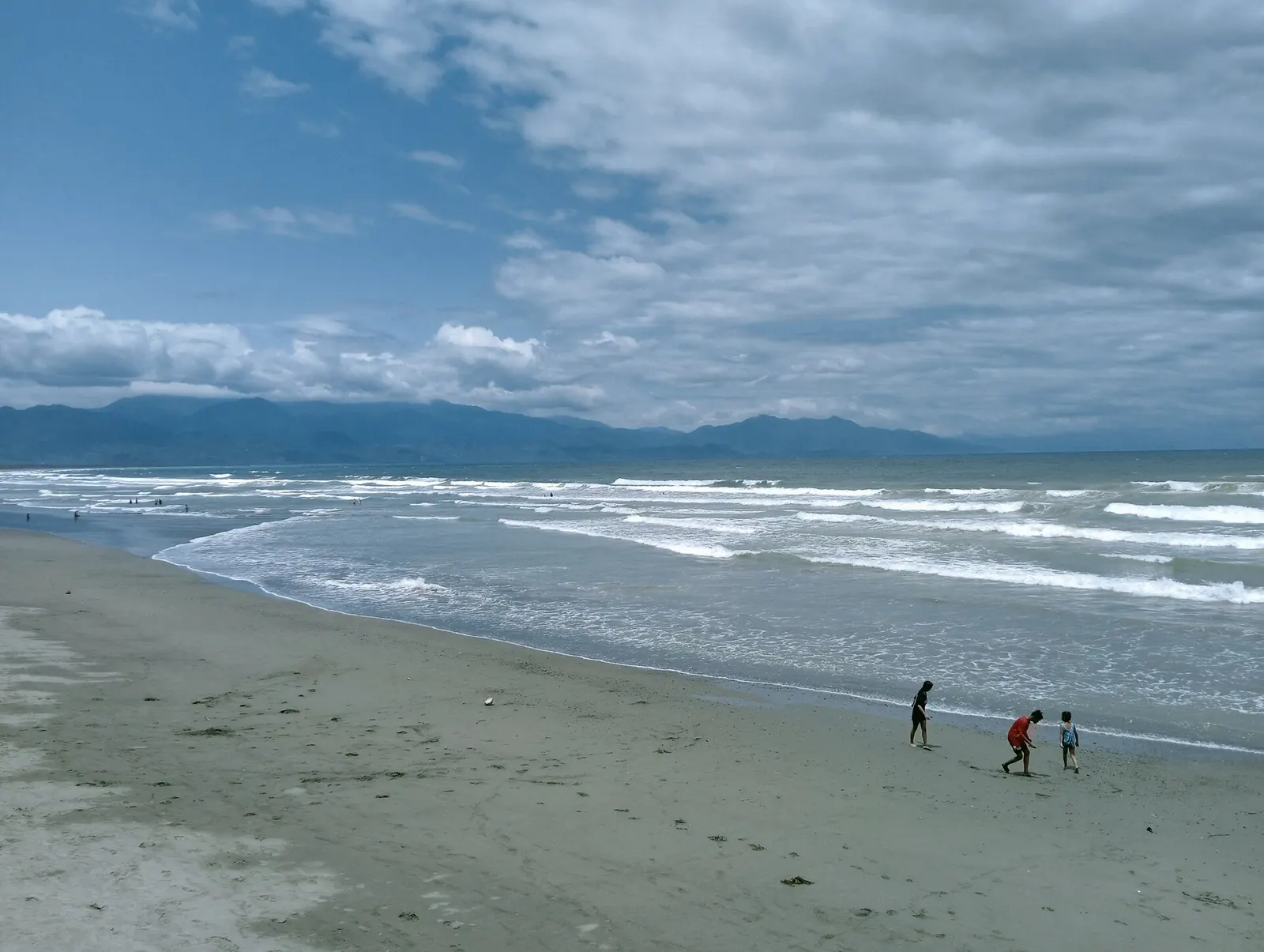
Baler’s Pacific setting brings together surfing, coastal memory and a town whose history extends well beyond the beach.
 Places
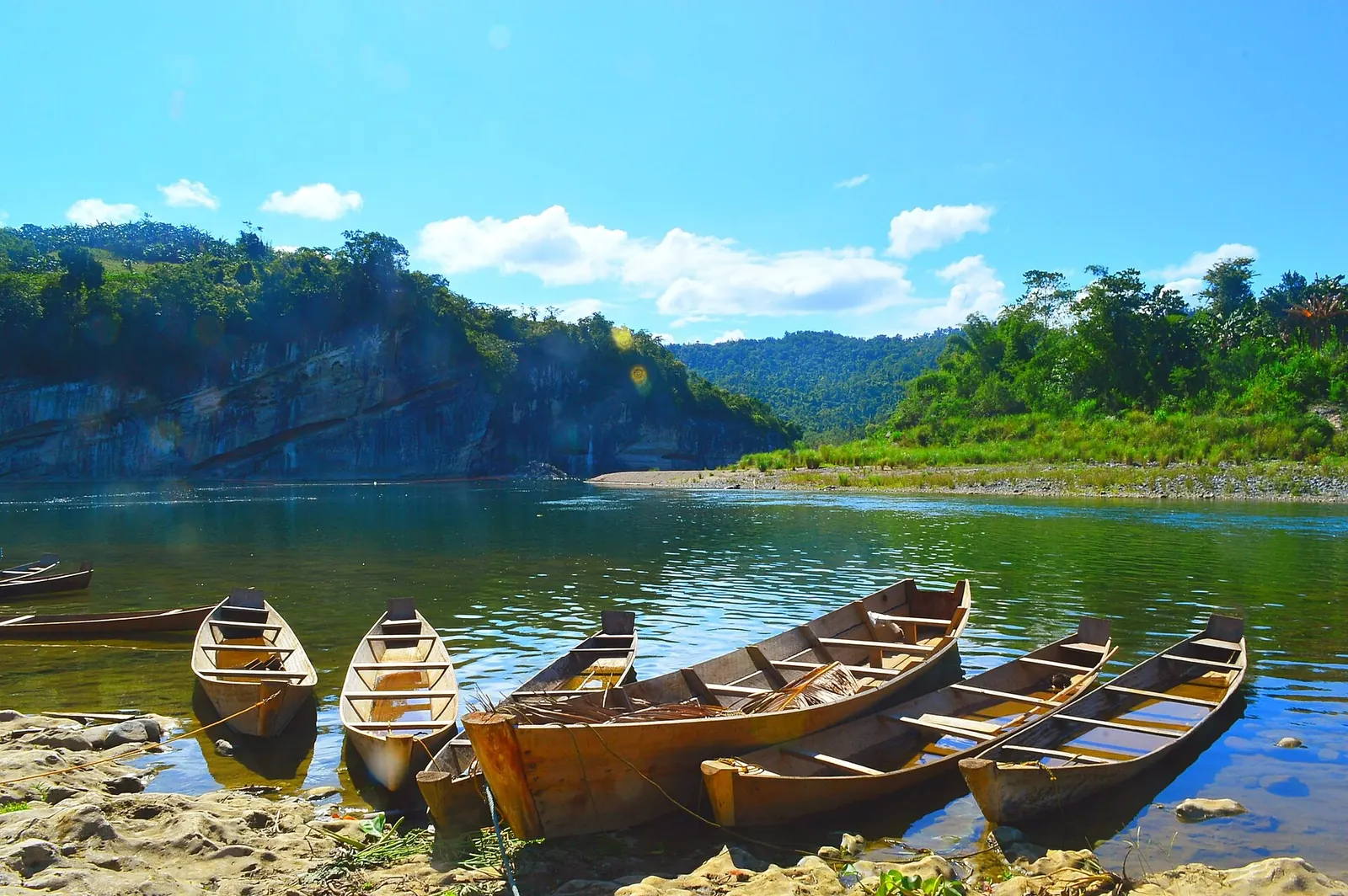
The Cagayan River, limestone walls and upland viewpoints give Quirino a geography worth understanding before choosing an activity.
 Places
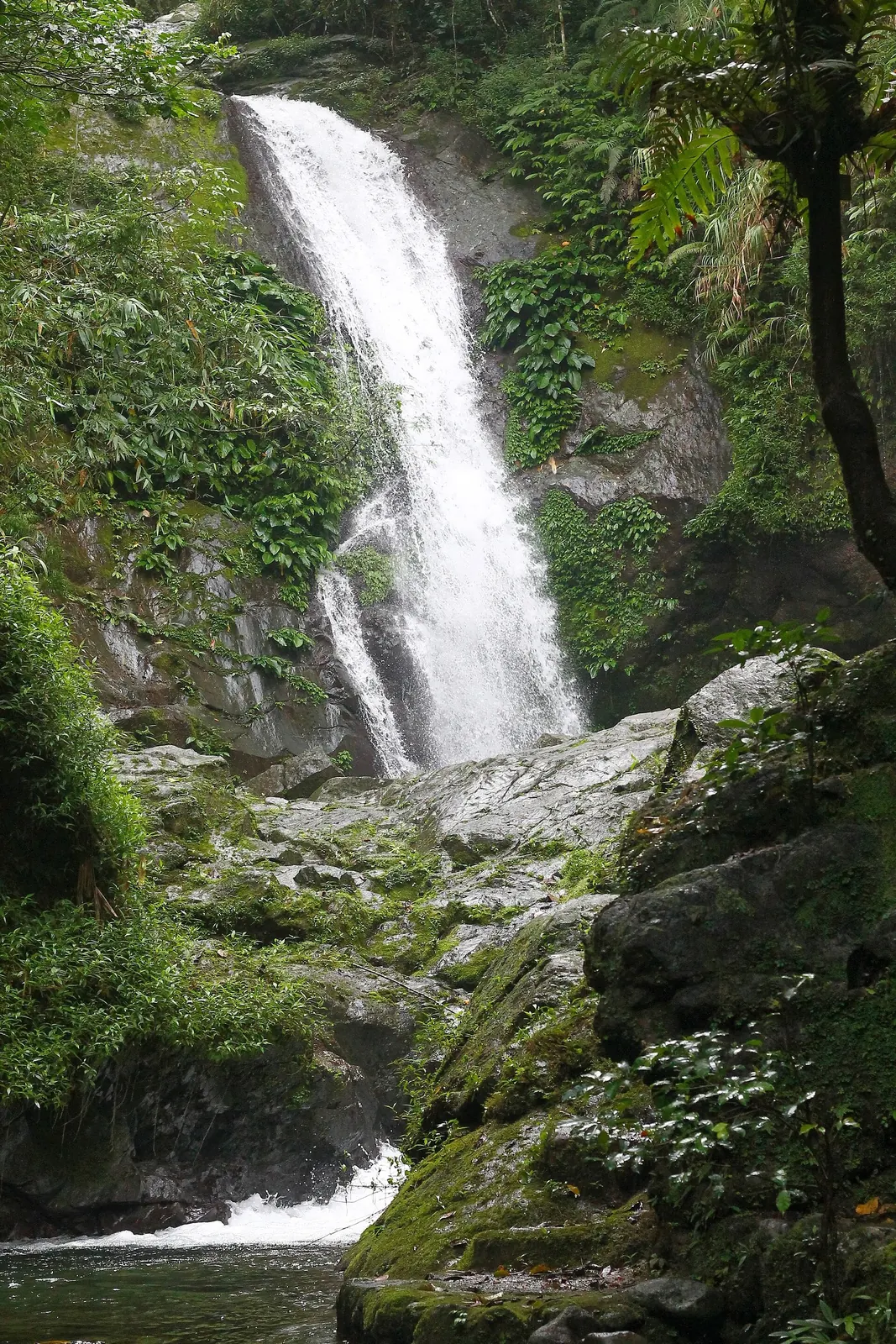
Following the movement of water links Nueva Vizcaya’s mountain landscapes with the underground chambers of Capissaan.
 Places
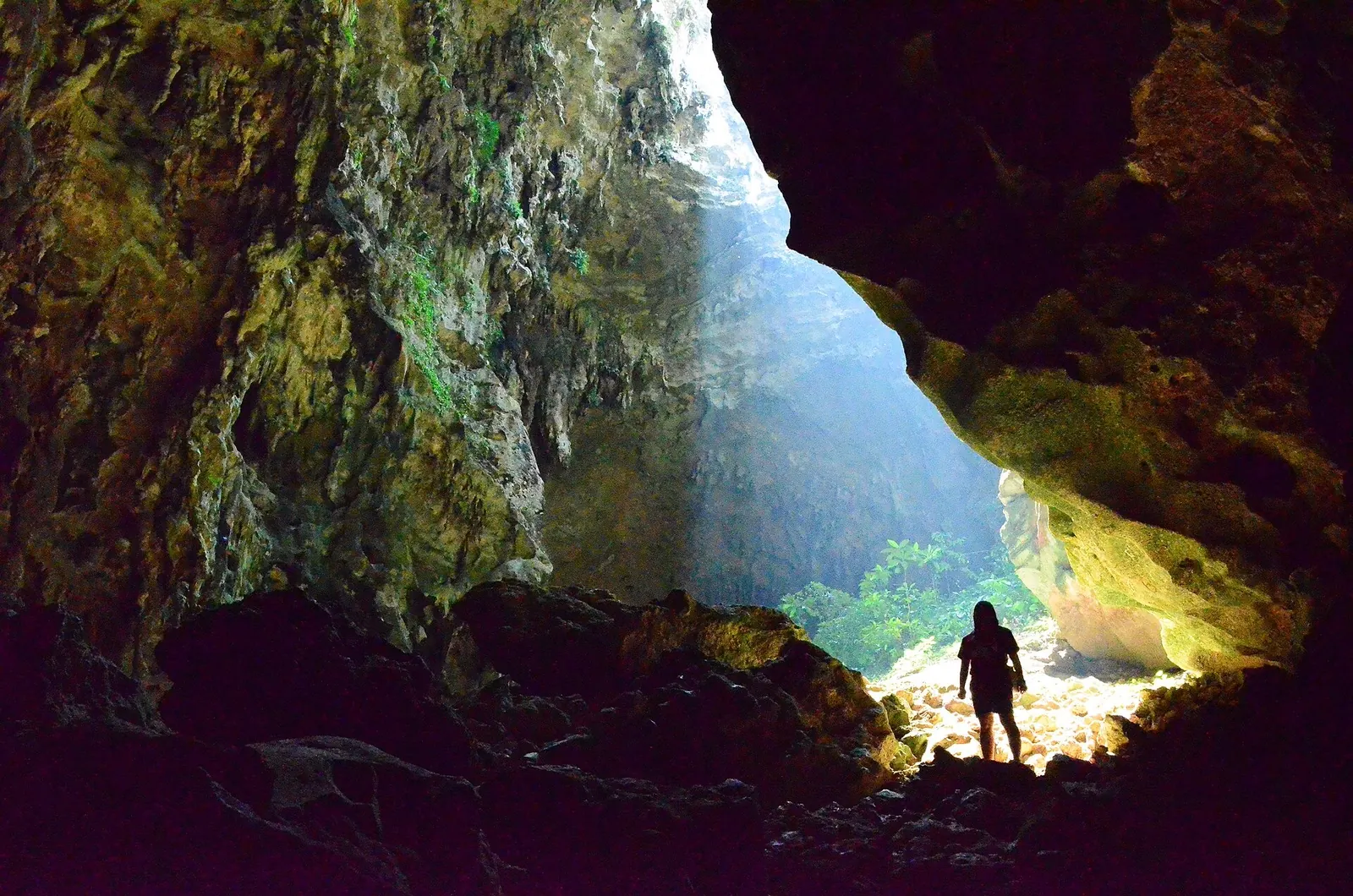
At Callao, the significance of a cave extends from its visible chambers to evidence that changed the study of human evolution.
 Places
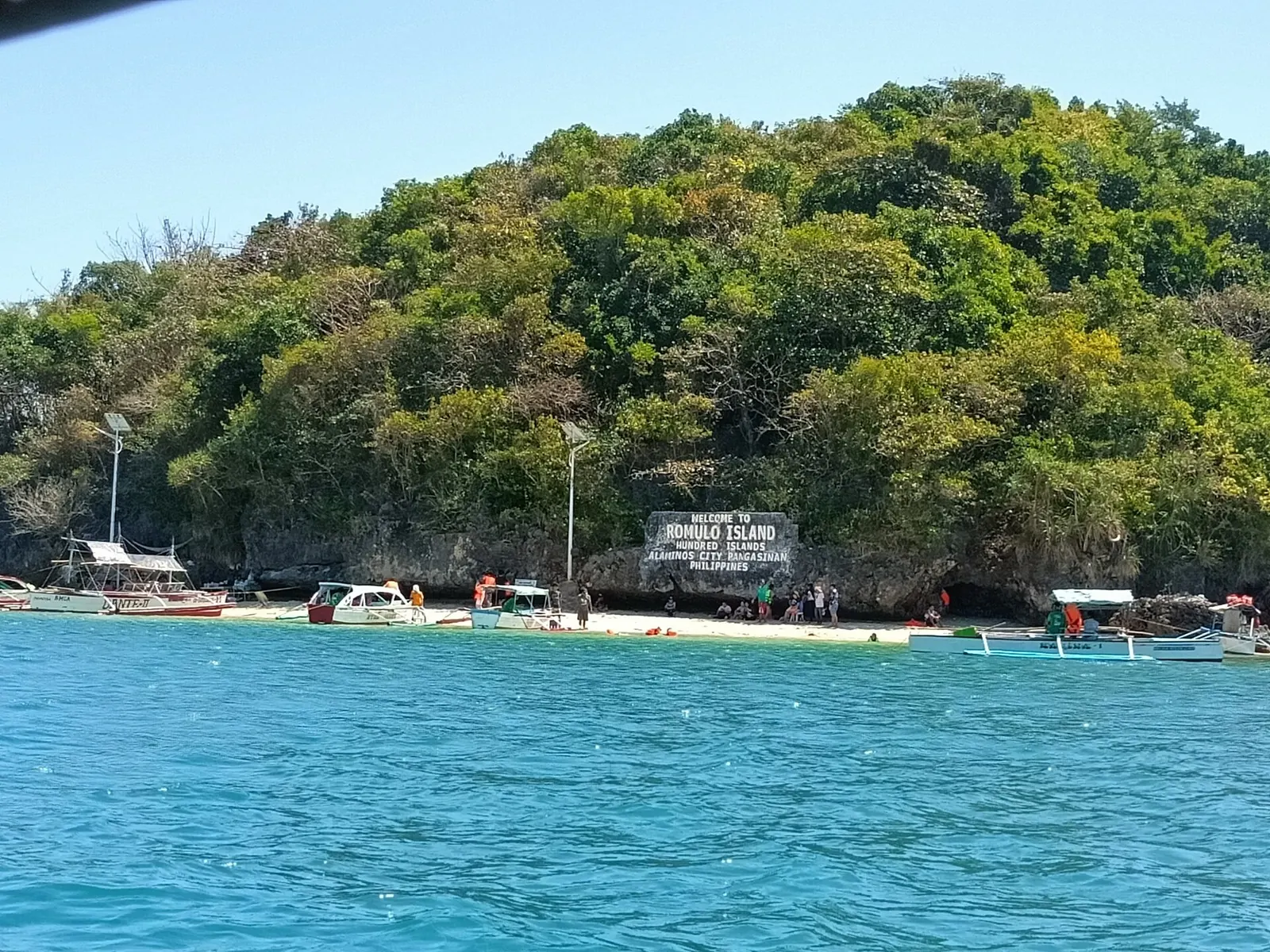
The islands off Alaminos make more sense when viewed as a limestone landscape, not a checklist of boat stops.
 Places
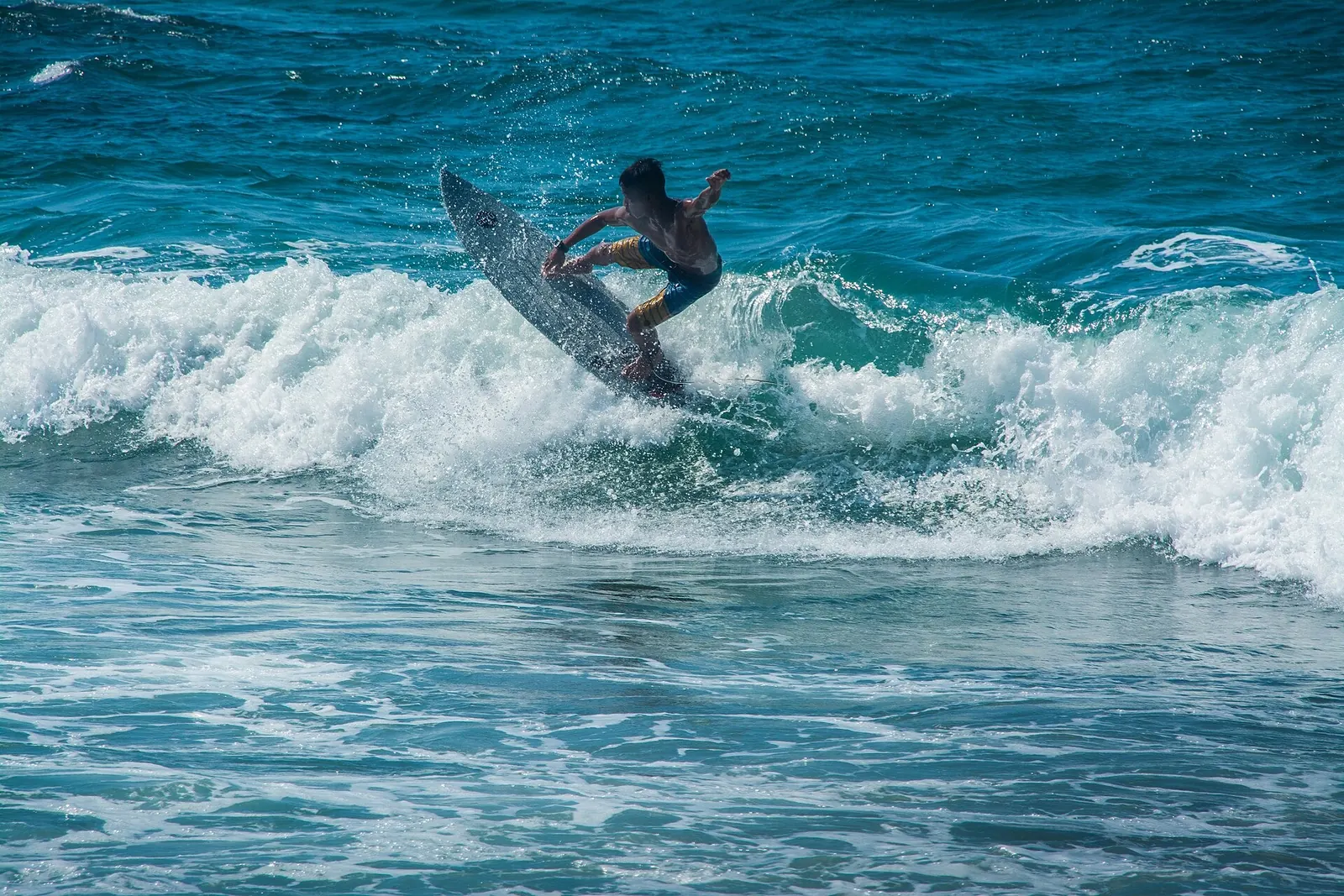
Luna and Bangar offer a northern La Union journey through coastal memory, religious devotion and the work of weaving.
 History
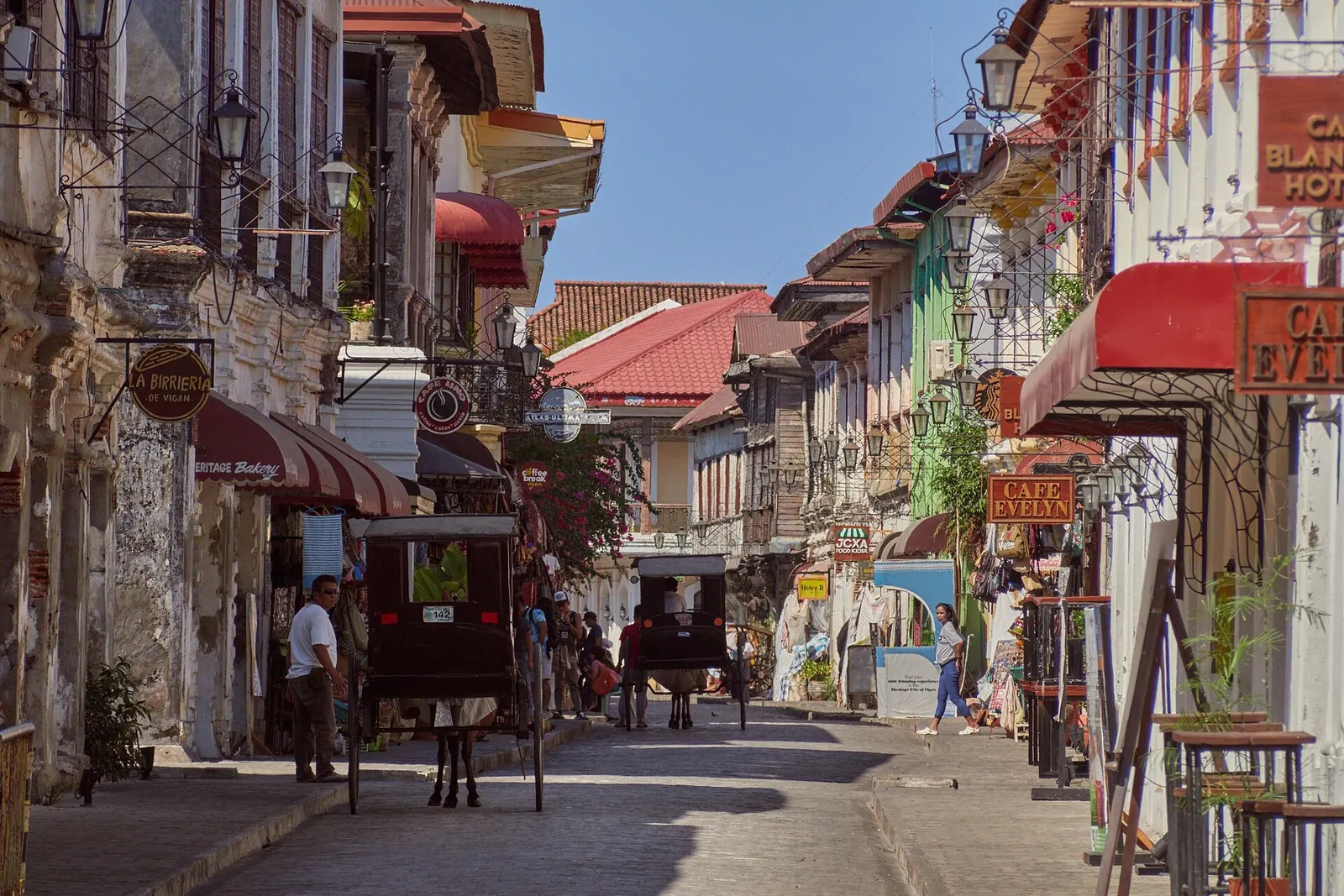
Vigan’s streets and museum collections explain a trading town shaped by several cultures—and by conflict as well as commerce.
 History
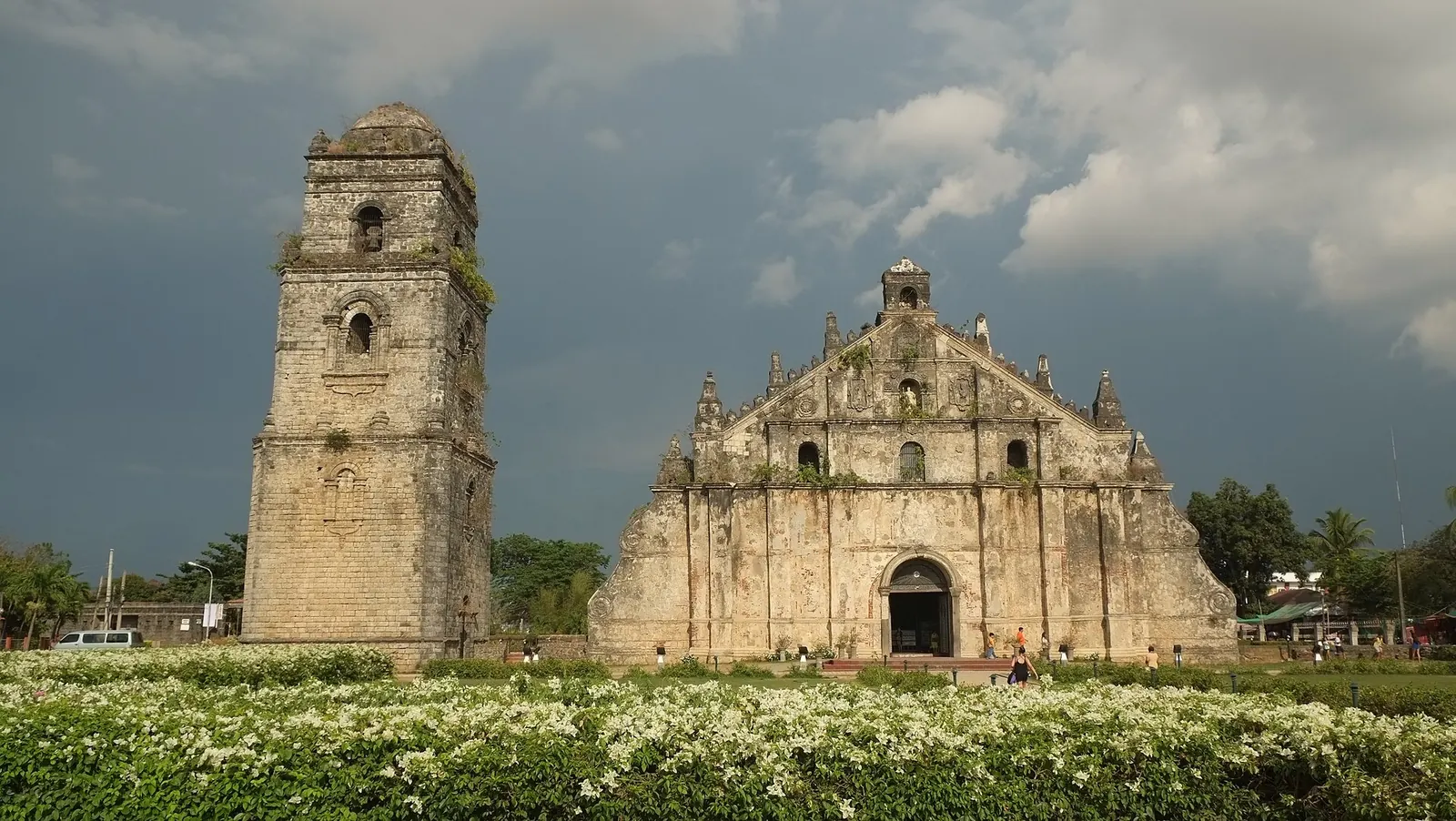
Paoay Church and Cape Bojeador Lighthouse reward a visit that asks what historic structures were built to do.
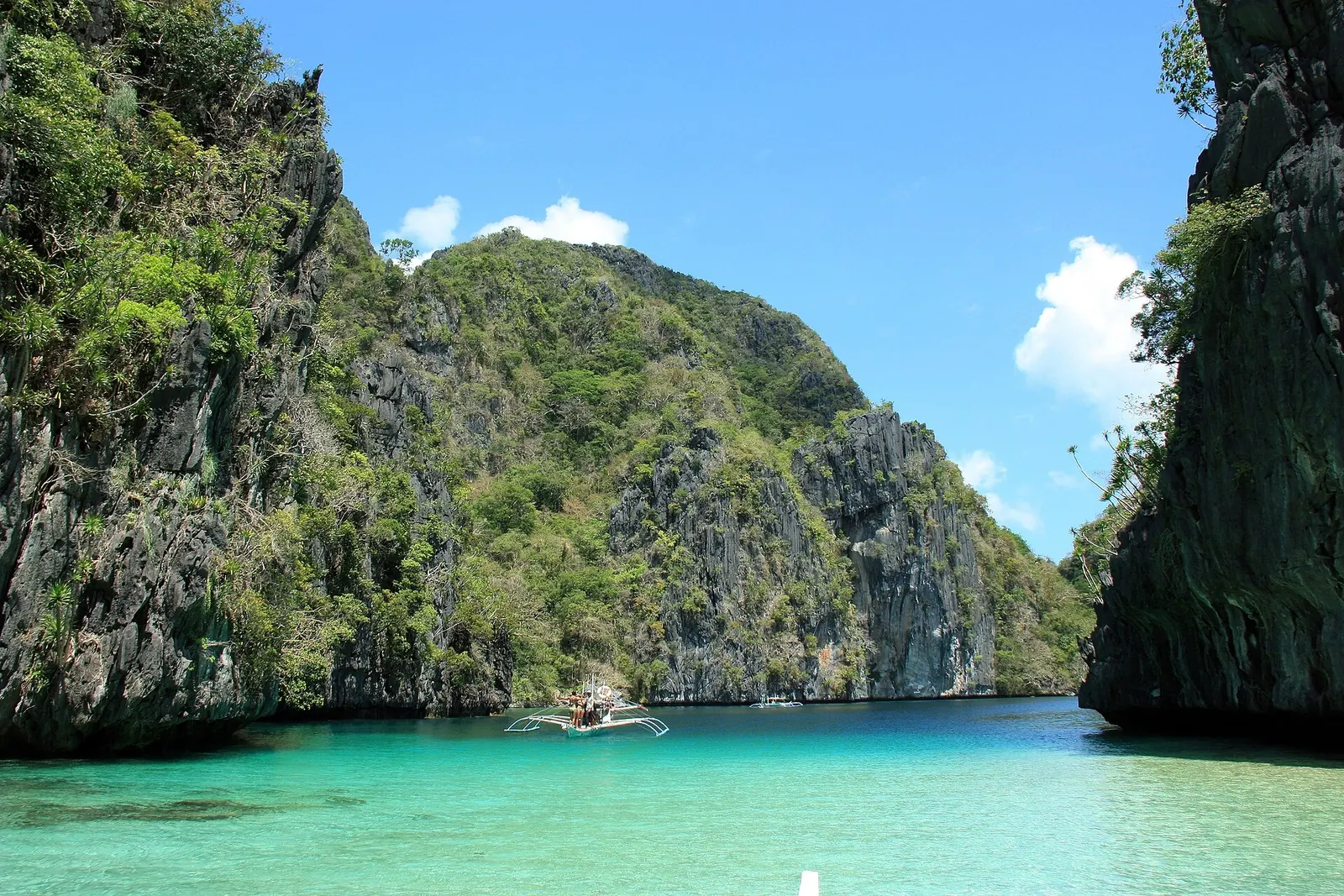 Places
Understanding the protected landscapes behind Palawan’s famous views makes a journey more rewarding—and its geography less confusing.
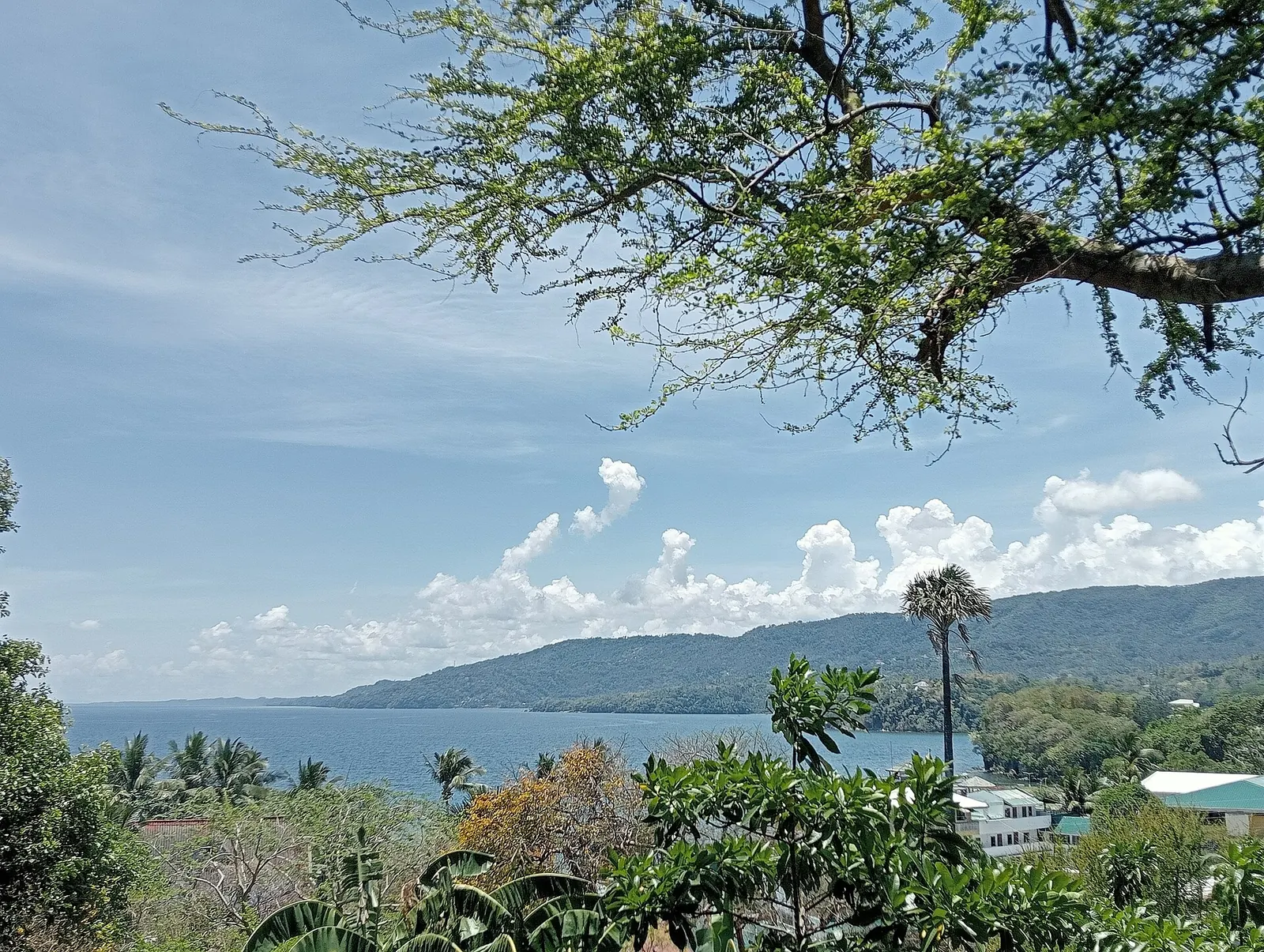 Places
Puerto Galera’s coast and Naujan Lake offer contrasting introductions to the province’s connected water landscapes.
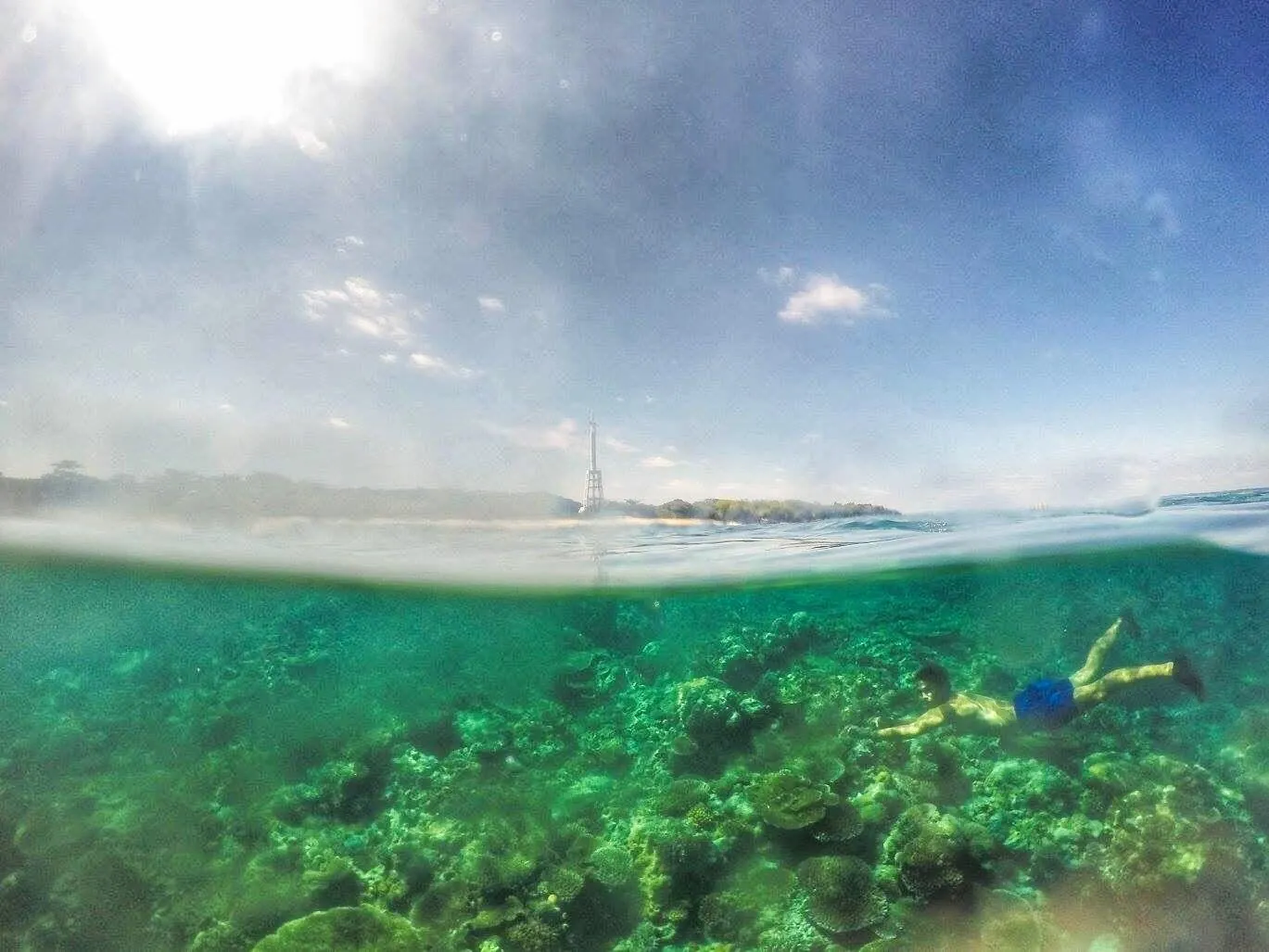 Places
Apo Reef and the mountains of central Mindoro reveal why conservation here must account for both water and land.
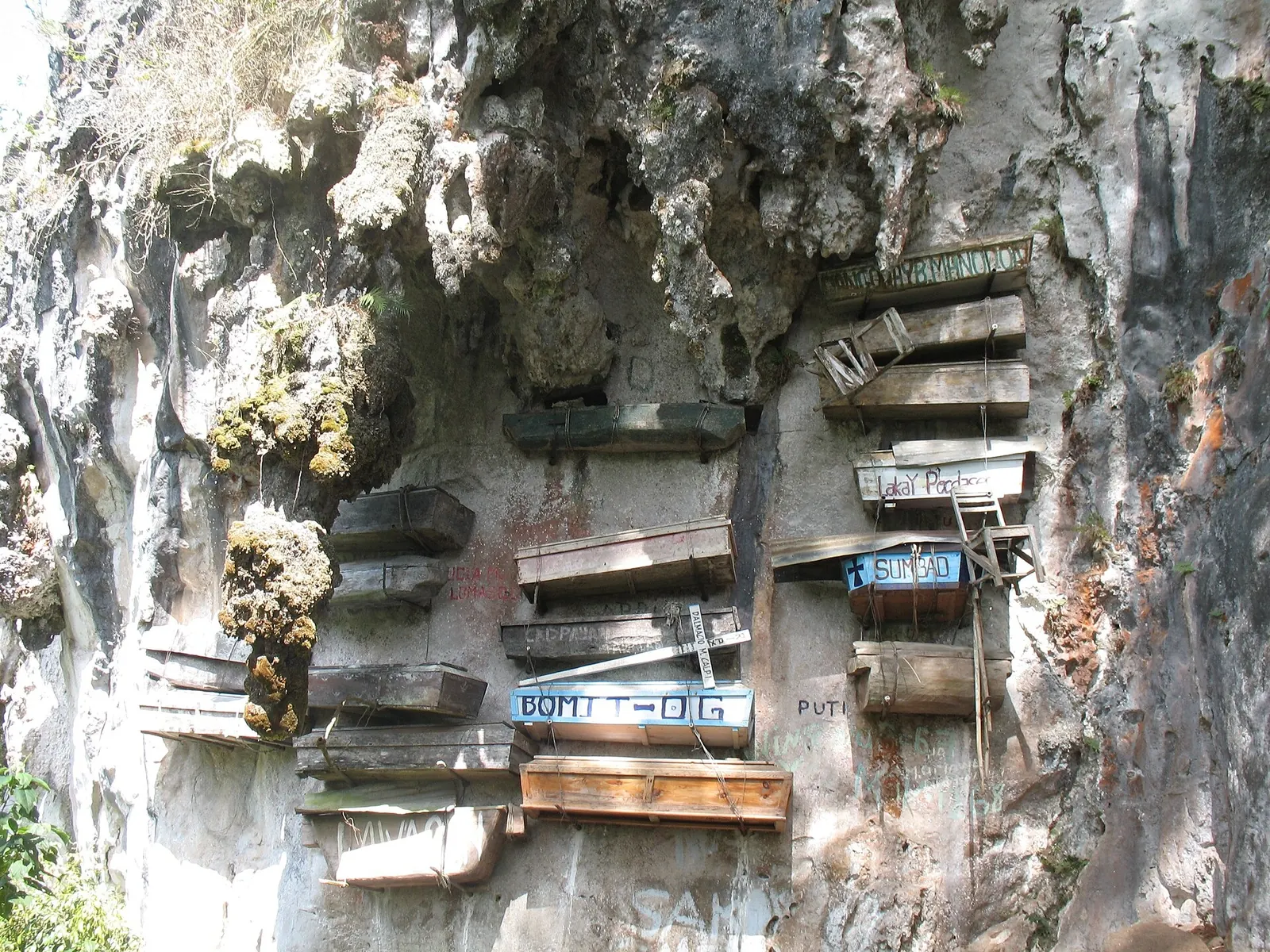 Places
Sagada’s burial sites and surrounding landscapes invite careful attention to the difference between a public attraction and a place held sacred by a community.
Allow Google Analytics cookies to measure visits and reading activity? This is optional and separate from advertising. You can change your choice anytime. Privacy details