
 Places
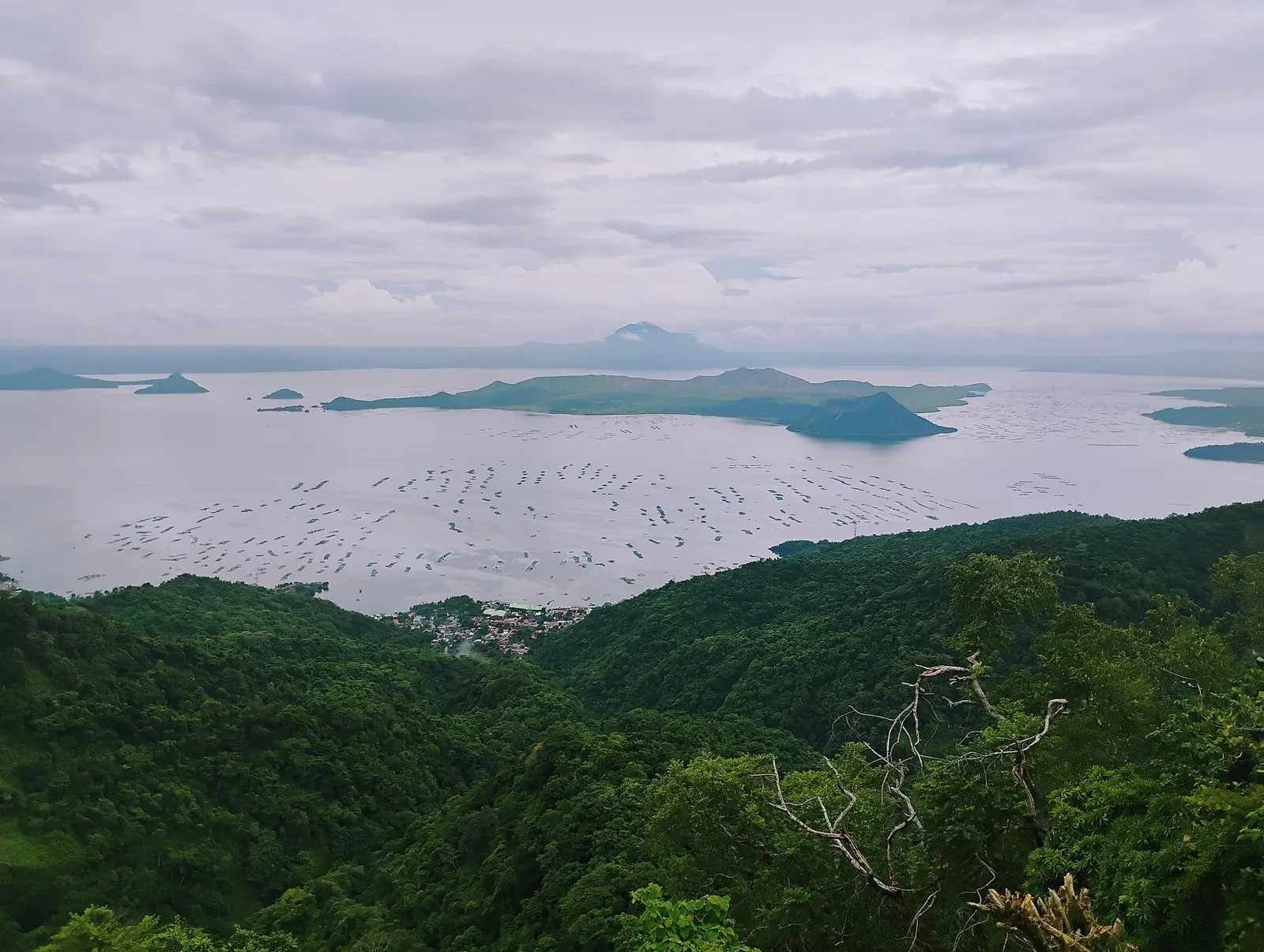
Batangas: Lake Views and Deeper Waters
Taal’s volcanic landscape and Anilao’s diving coast require two very different kinds of preparation.
Explore stories about Philippine travel, culture, food, history and people. Search Orient Gazette by place, topic or department and find your next read.
PlacesTaal’s volcanic landscape and Anilao’s diving coast require two very different kinds of preparation.
 Places
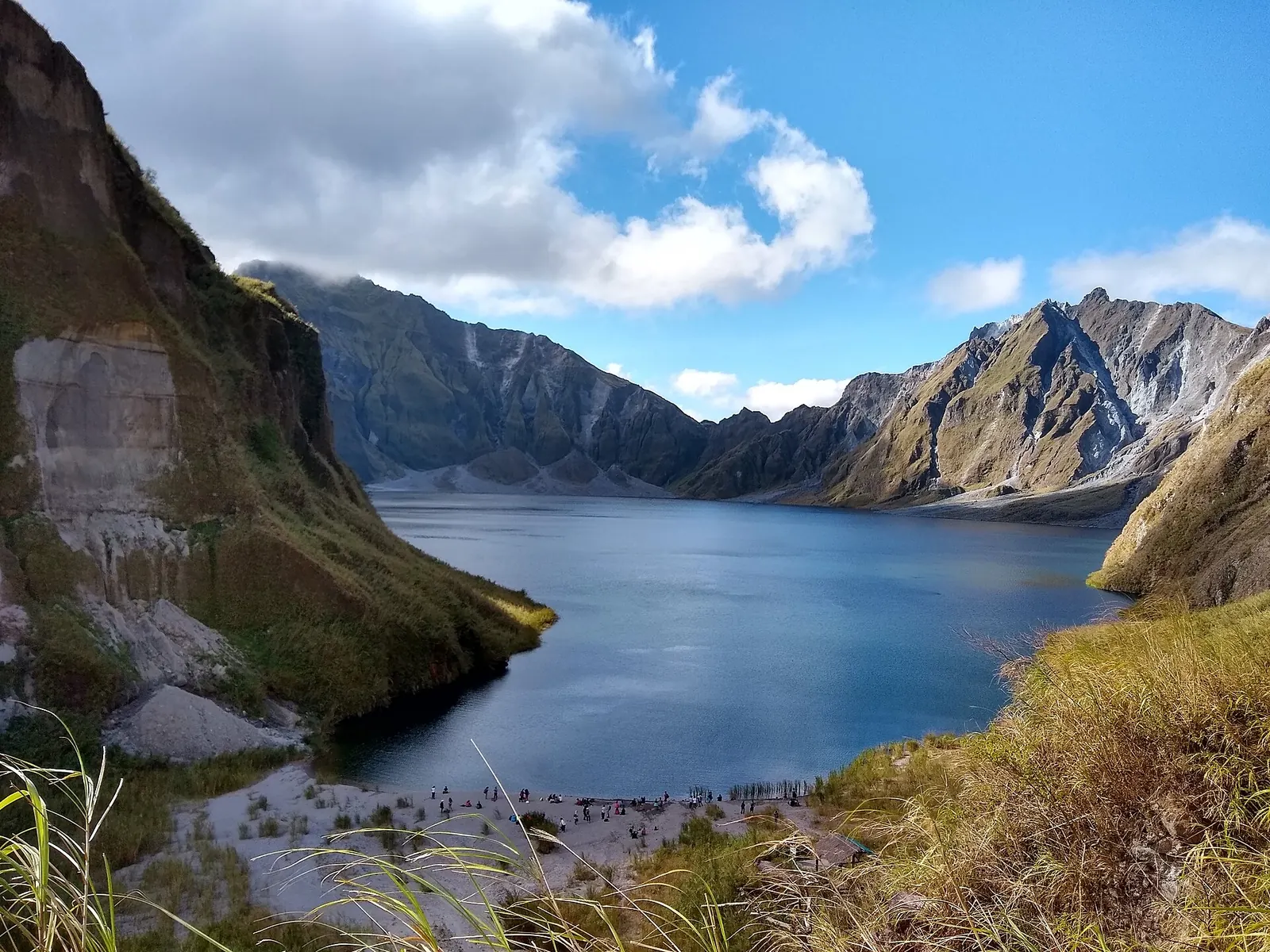
Mapanuepe Lake shows why Pinatubo’s story continued after the great eruption of June 1991.
 Life
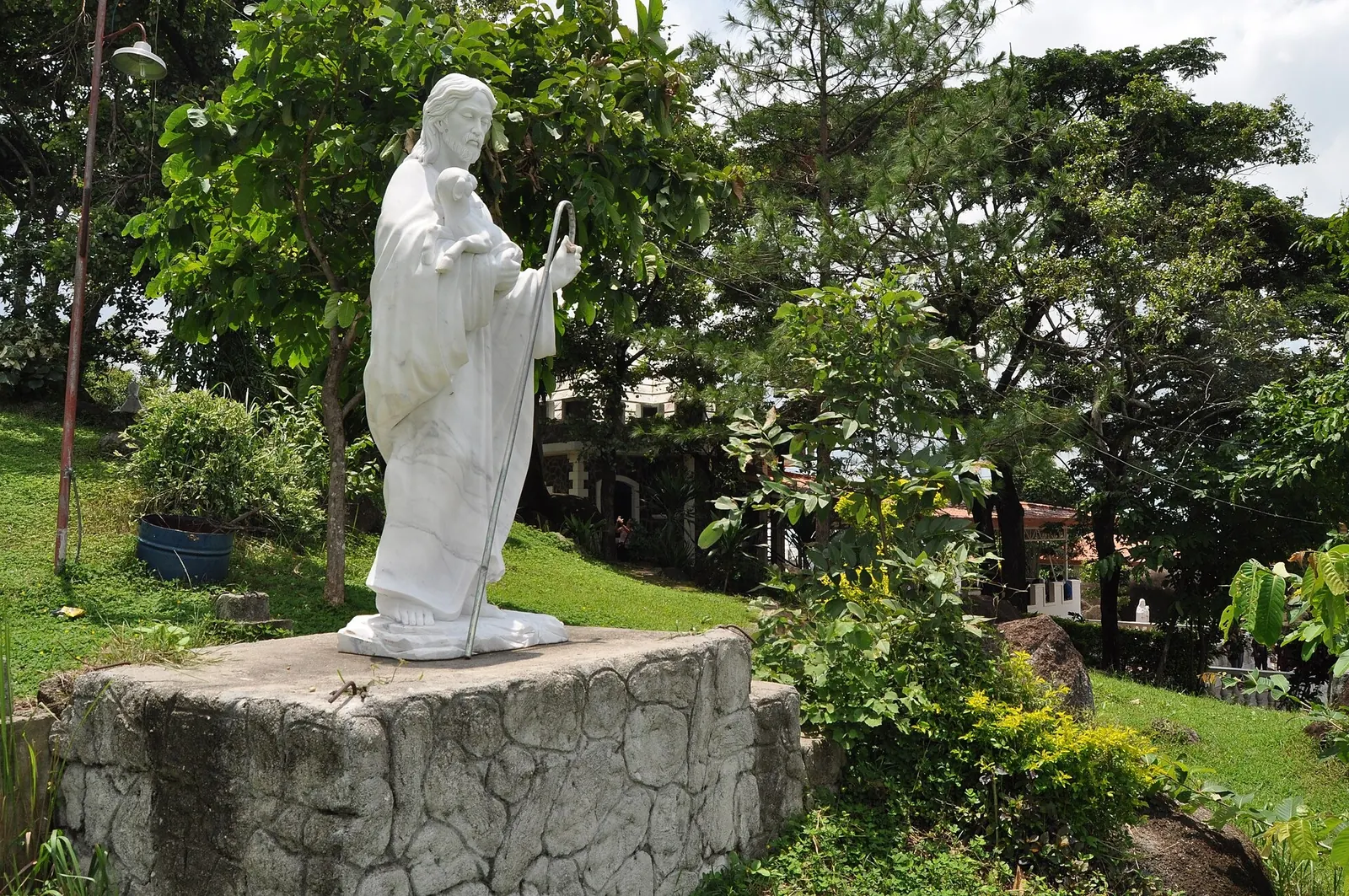
At Capas, understanding the final stages of the Death March gives a memorial visit the time and attention it deserves.
 Food
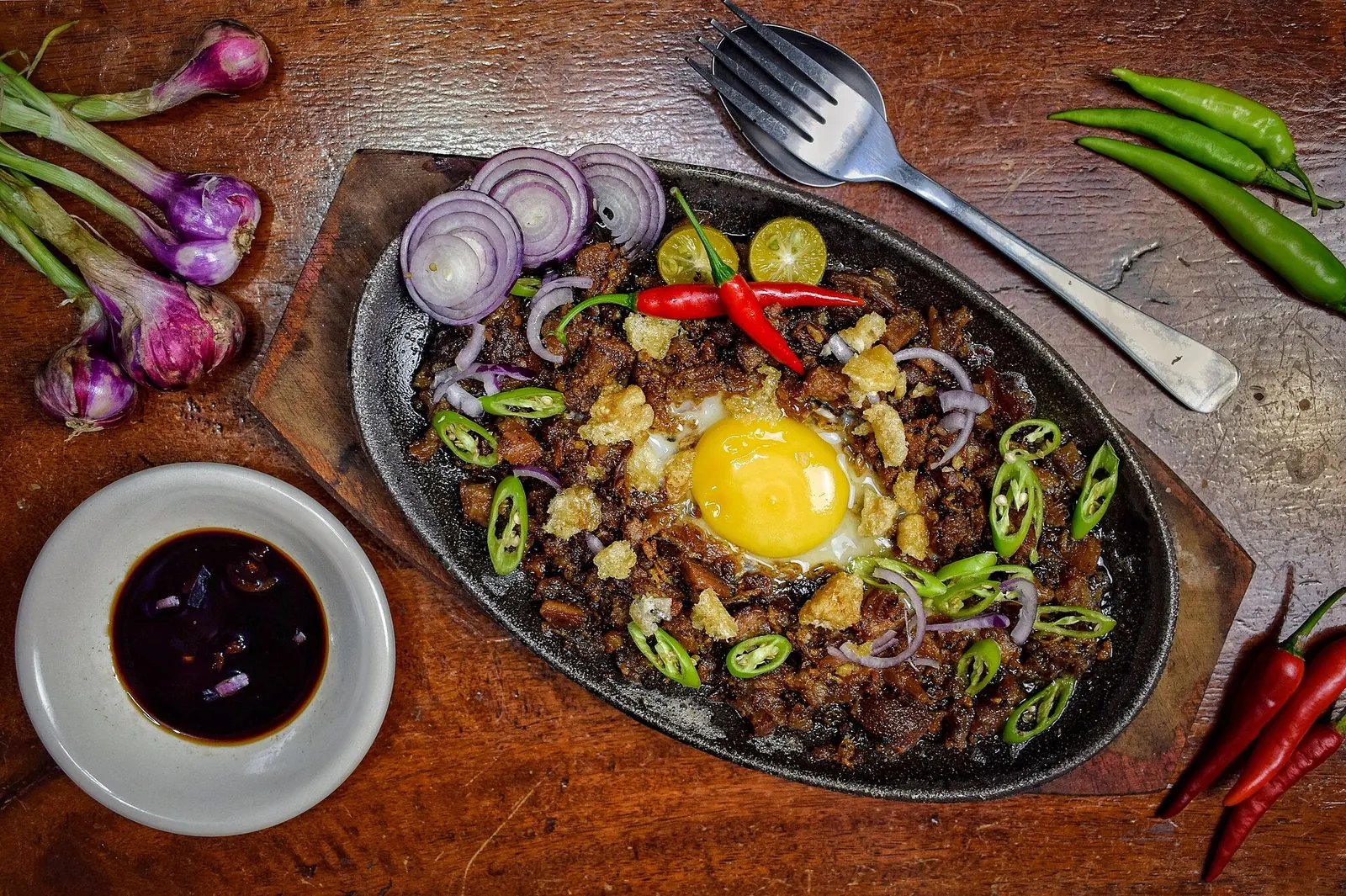
Sisig offers a starting point for exploring Kapampangan cooking, provided one famous dish is allowed to open a wider conversation.
 Life
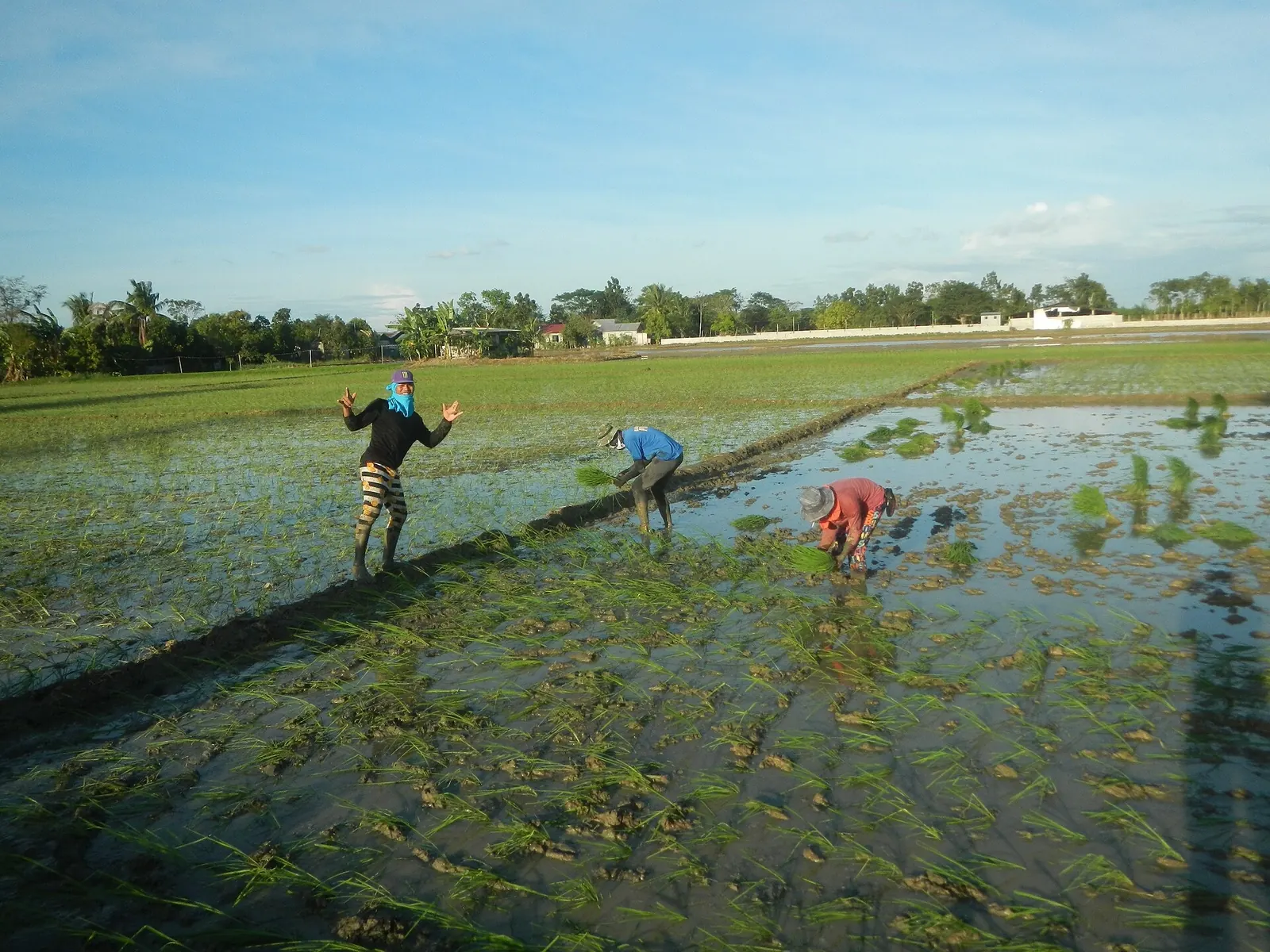
In the Science City of Muñoz, rice and dairy institutions offer a way to understand farming beyond the view of a field.
 History
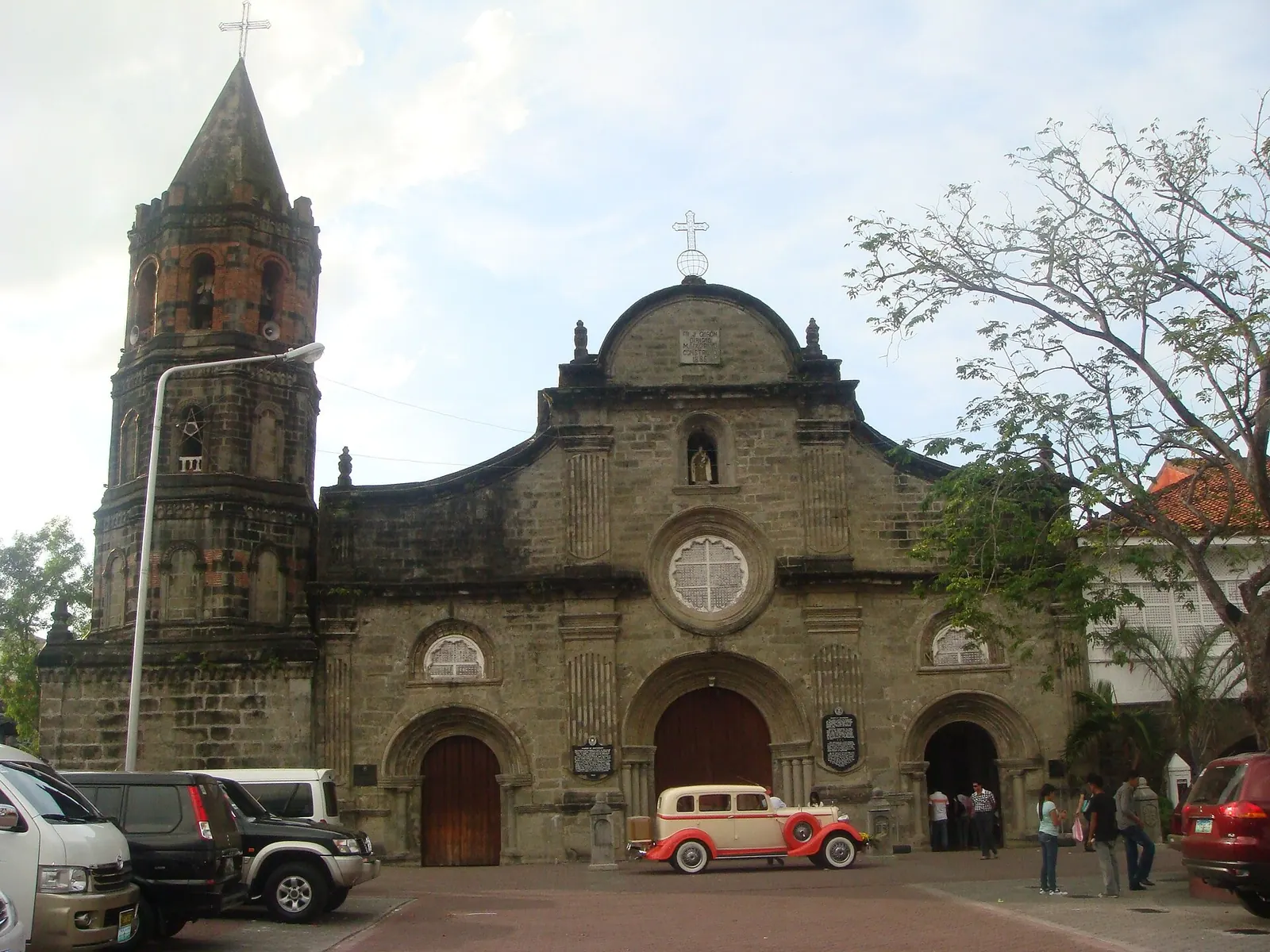
At Barasoain, a church, a congress and a constitution show how the Philippine Republic was given an institutional form.
 History
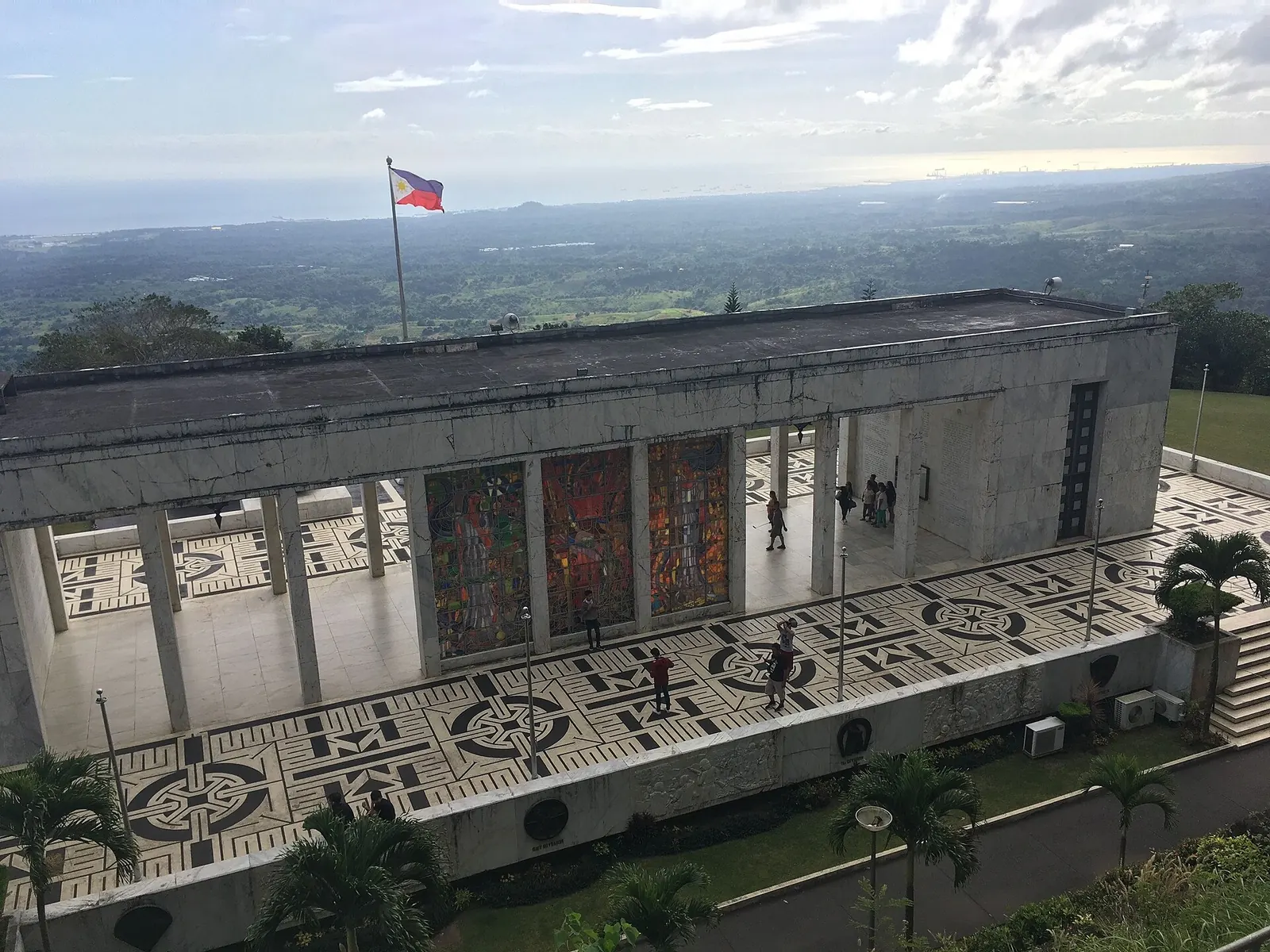
The peninsula’s memorials are best read as parts of a wartime sequence, rather than interchangeable monuments.
 Places
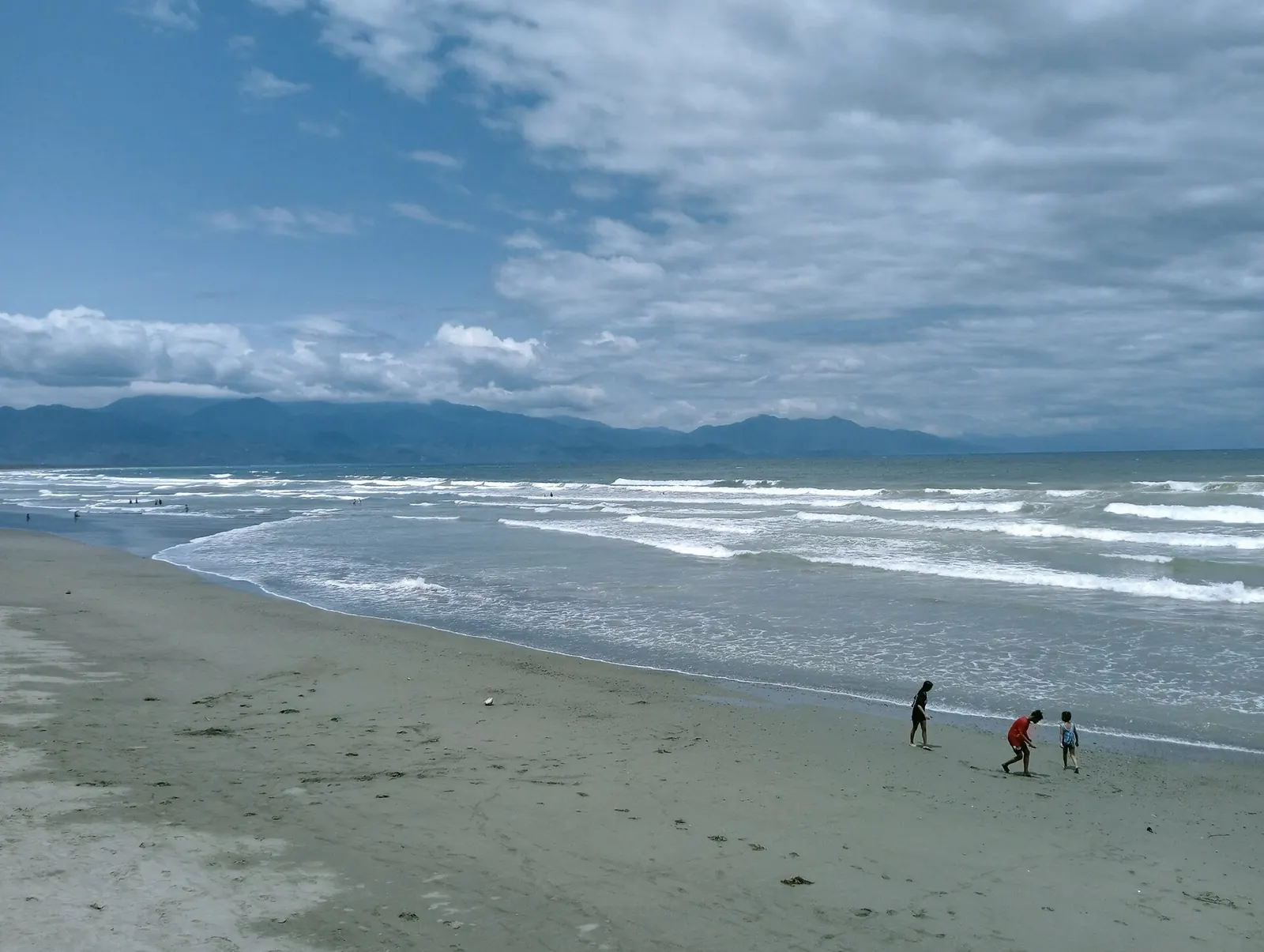
Baler’s Pacific setting brings together surfing, coastal memory and a town whose history extends well beyond the beach.
 Places
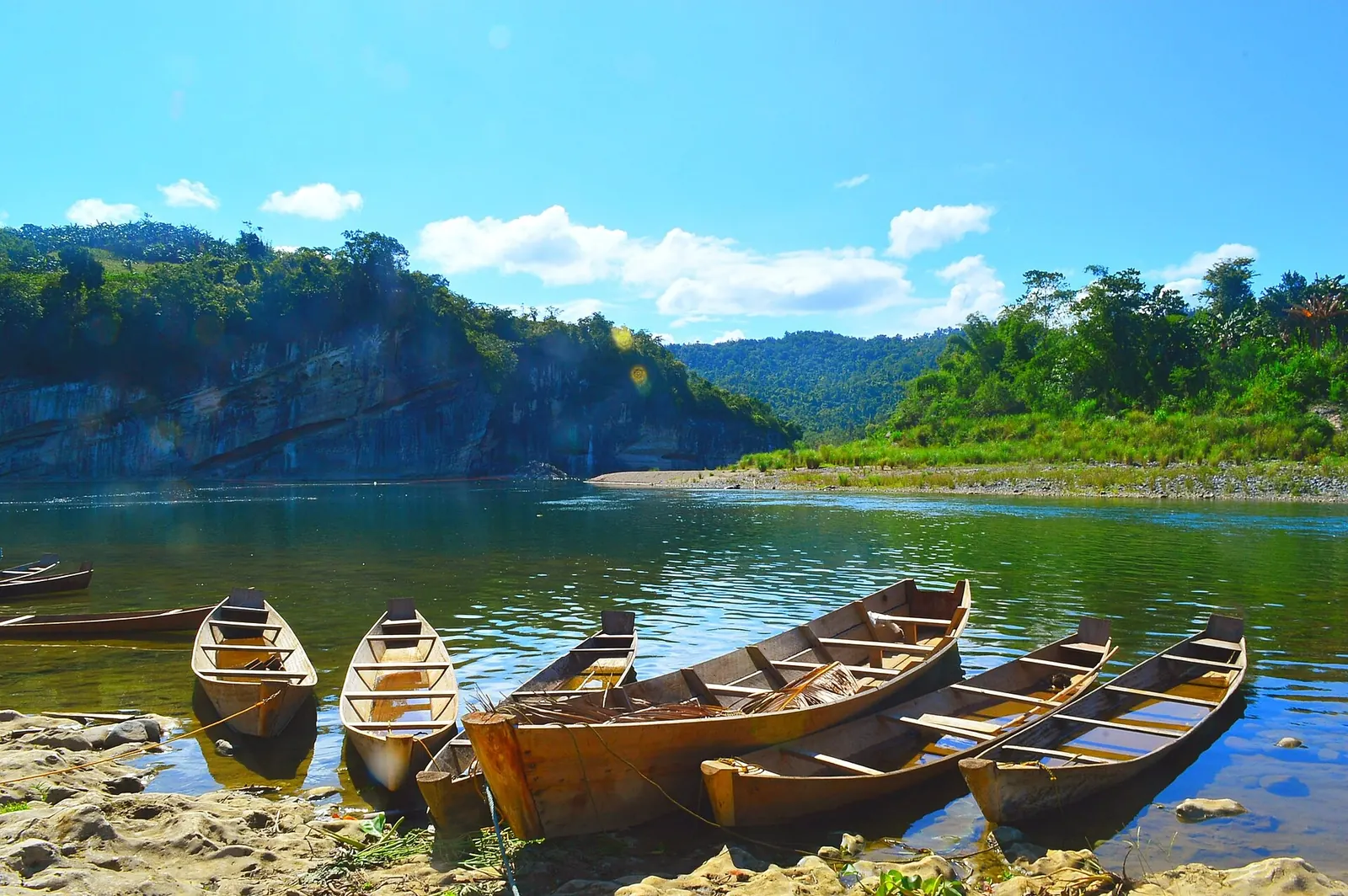
The Cagayan River, limestone walls and upland viewpoints give Quirino a geography worth understanding before choosing an activity.
 Places
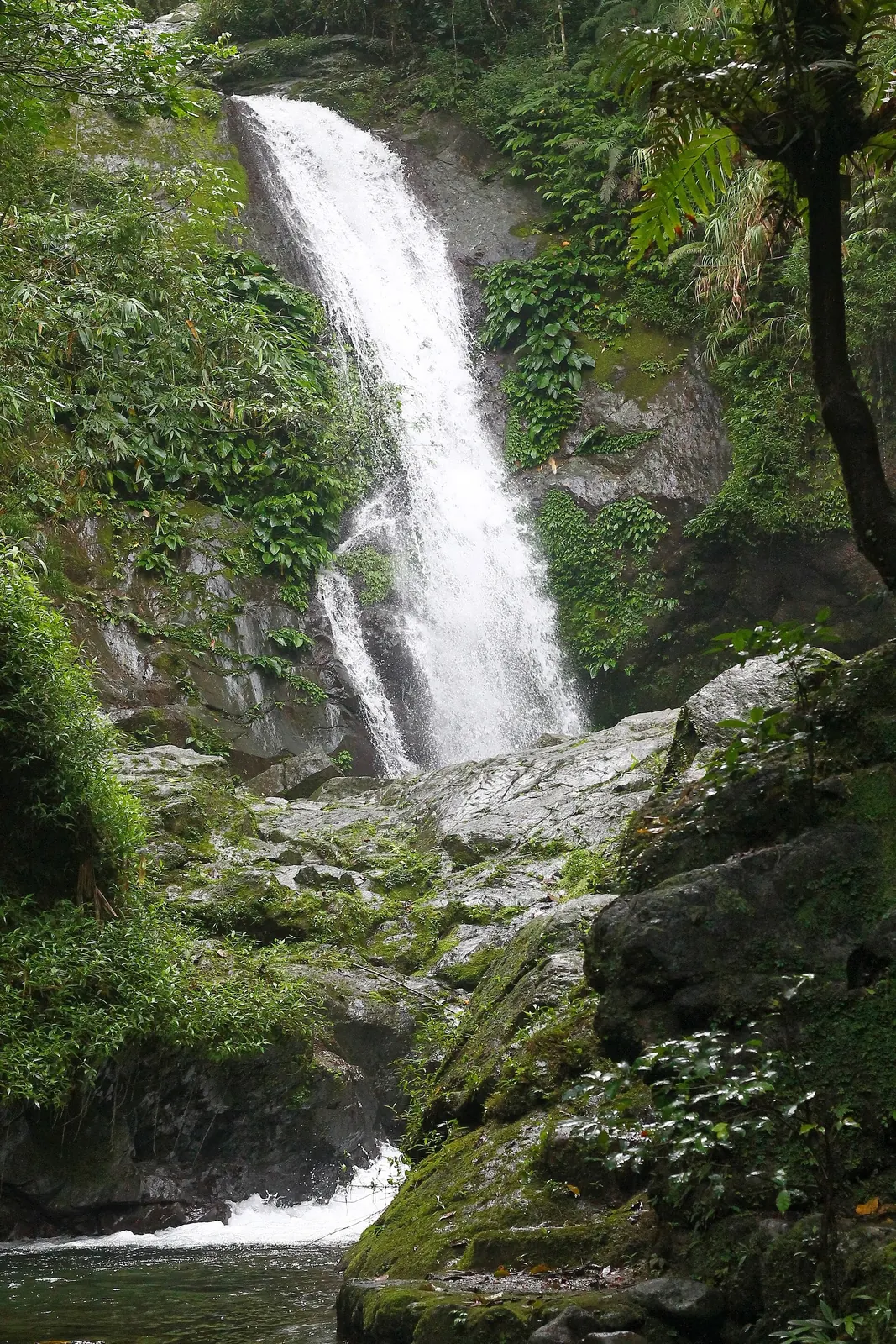
Following the movement of water links Nueva Vizcaya’s mountain landscapes with the underground chambers of Capissaan.
 Food
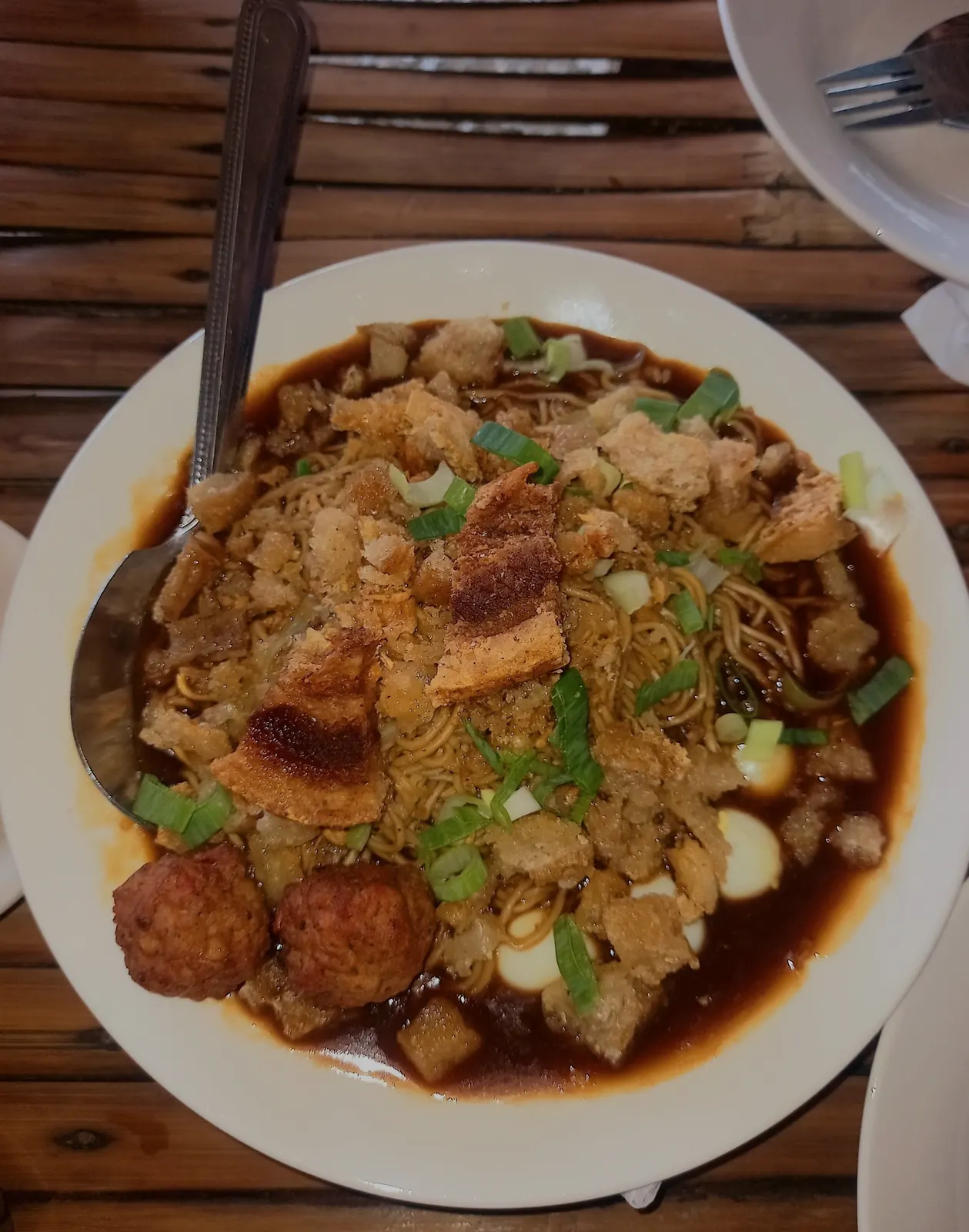
Pancit Cabagan and banana-leaf-wrapped rice delicacies offer a useful introduction to Isabela’s food traditions.
 Places
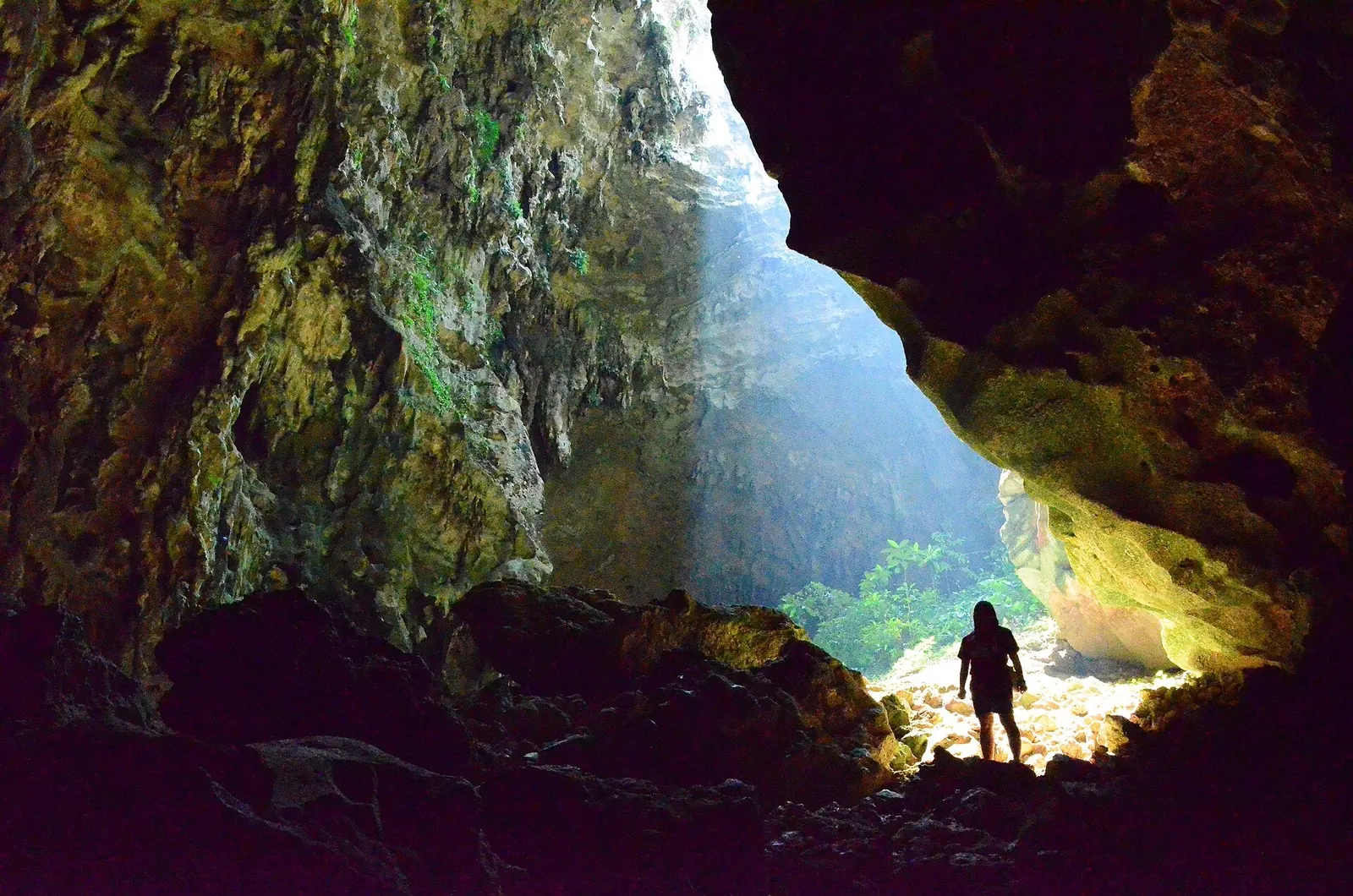
At Callao, the significance of a cave extends from its visible chambers to evidence that changed the study of human evolution.
 Places
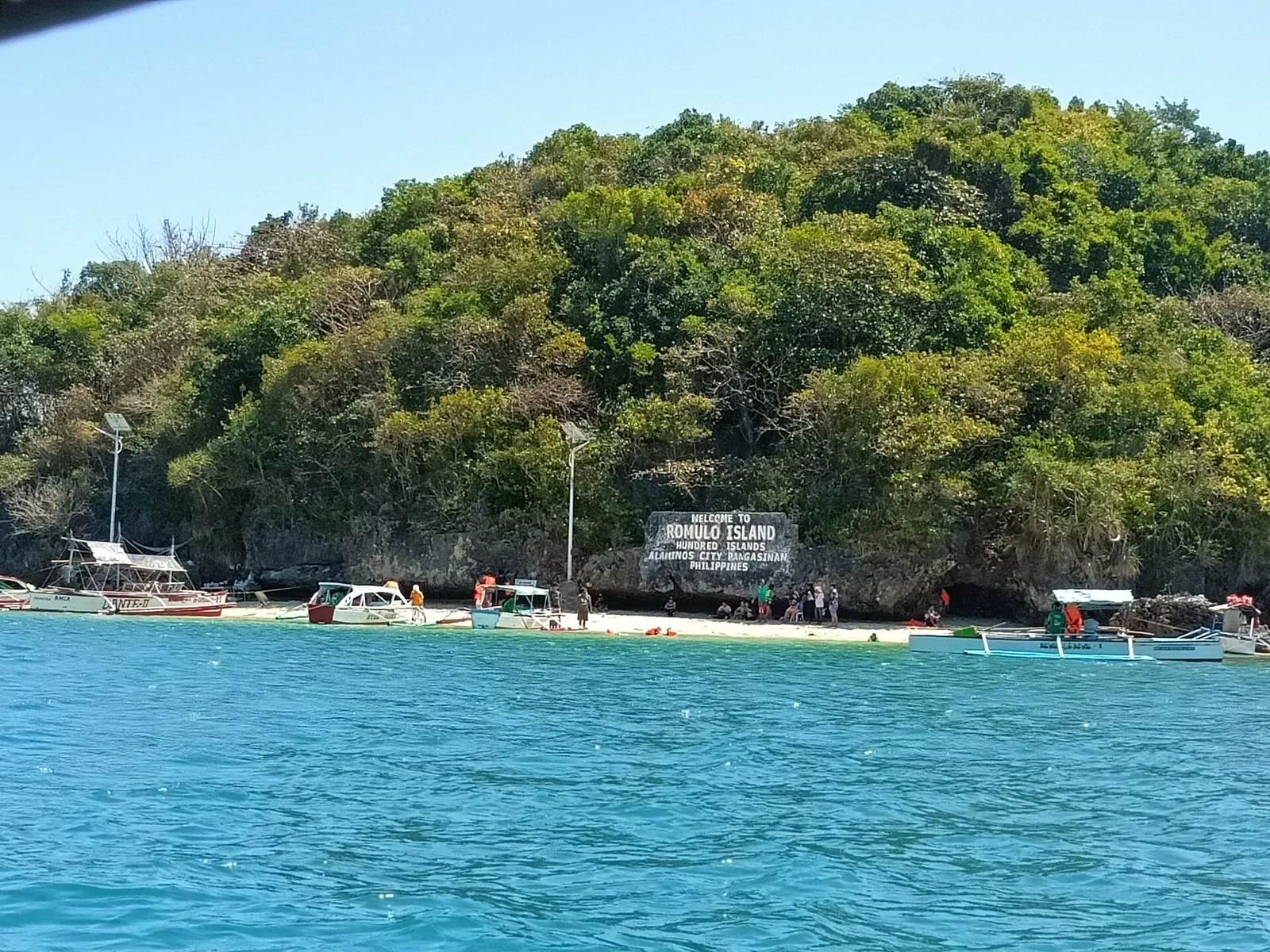
The islands off Alaminos make more sense when viewed as a limestone landscape, not a checklist of boat stops.
 Places
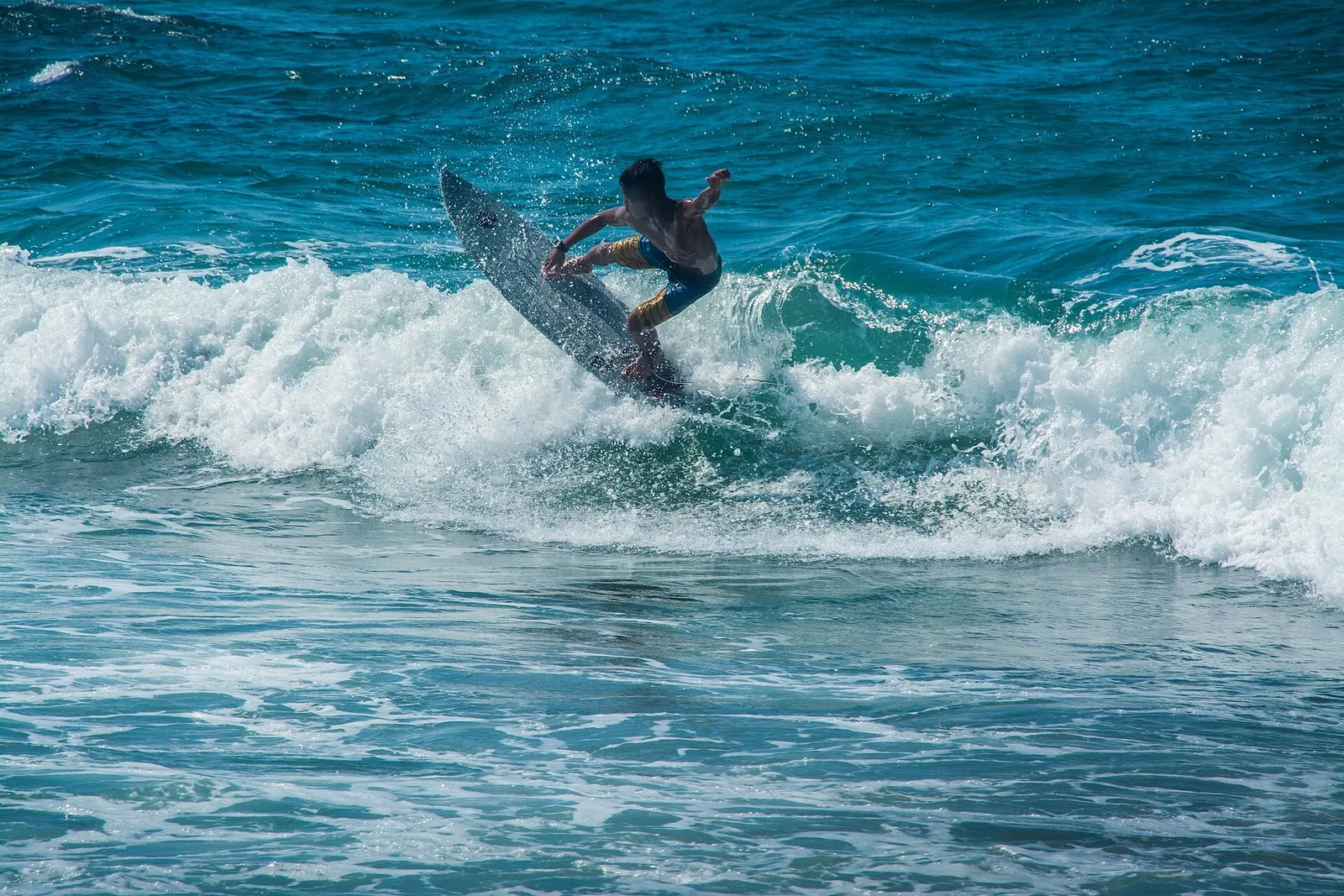
Luna and Bangar offer a northern La Union journey through coastal memory, religious devotion and the work of weaving.
 History
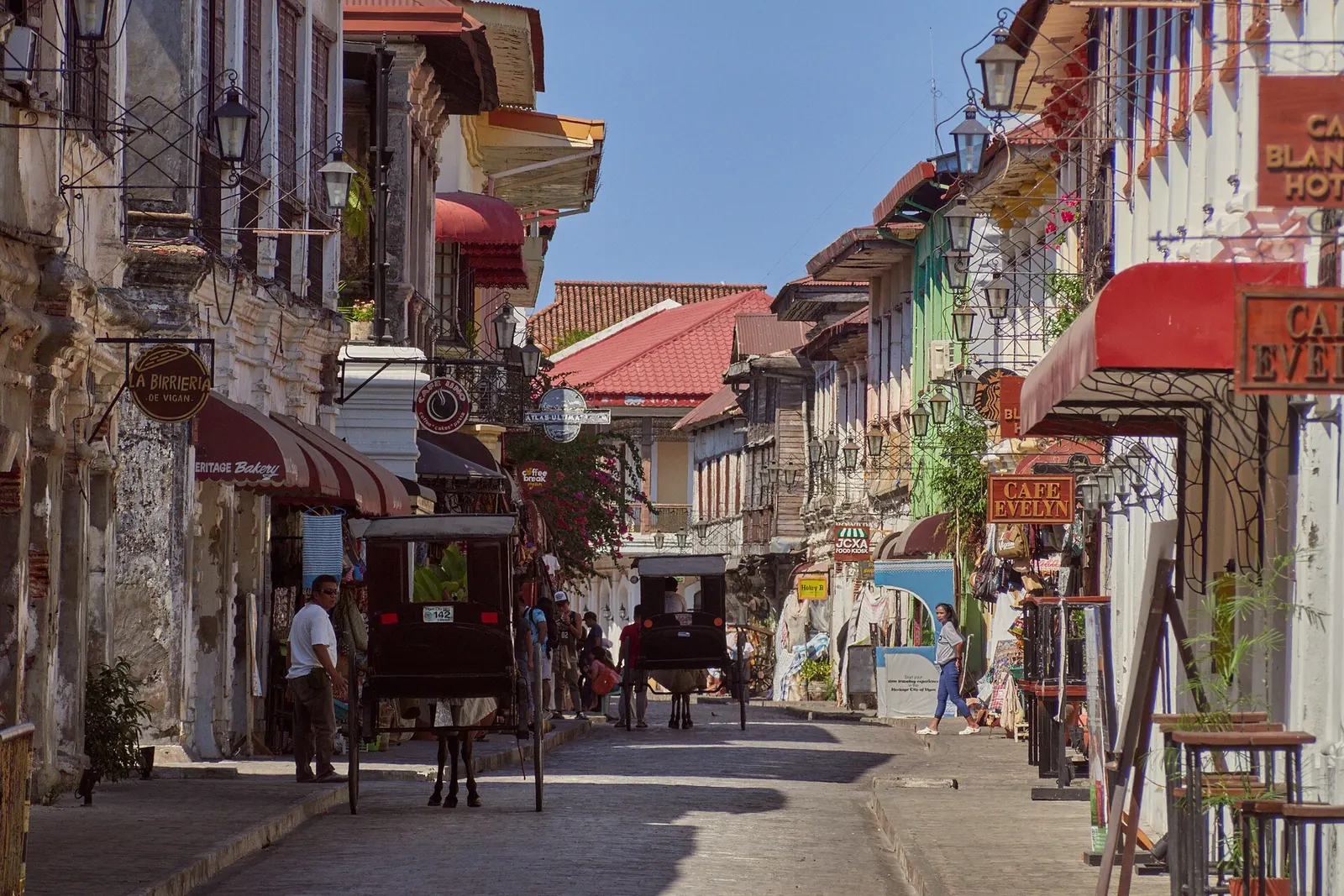
Vigan’s streets and museum collections explain a trading town shaped by several cultures—and by conflict as well as commerce.
 History
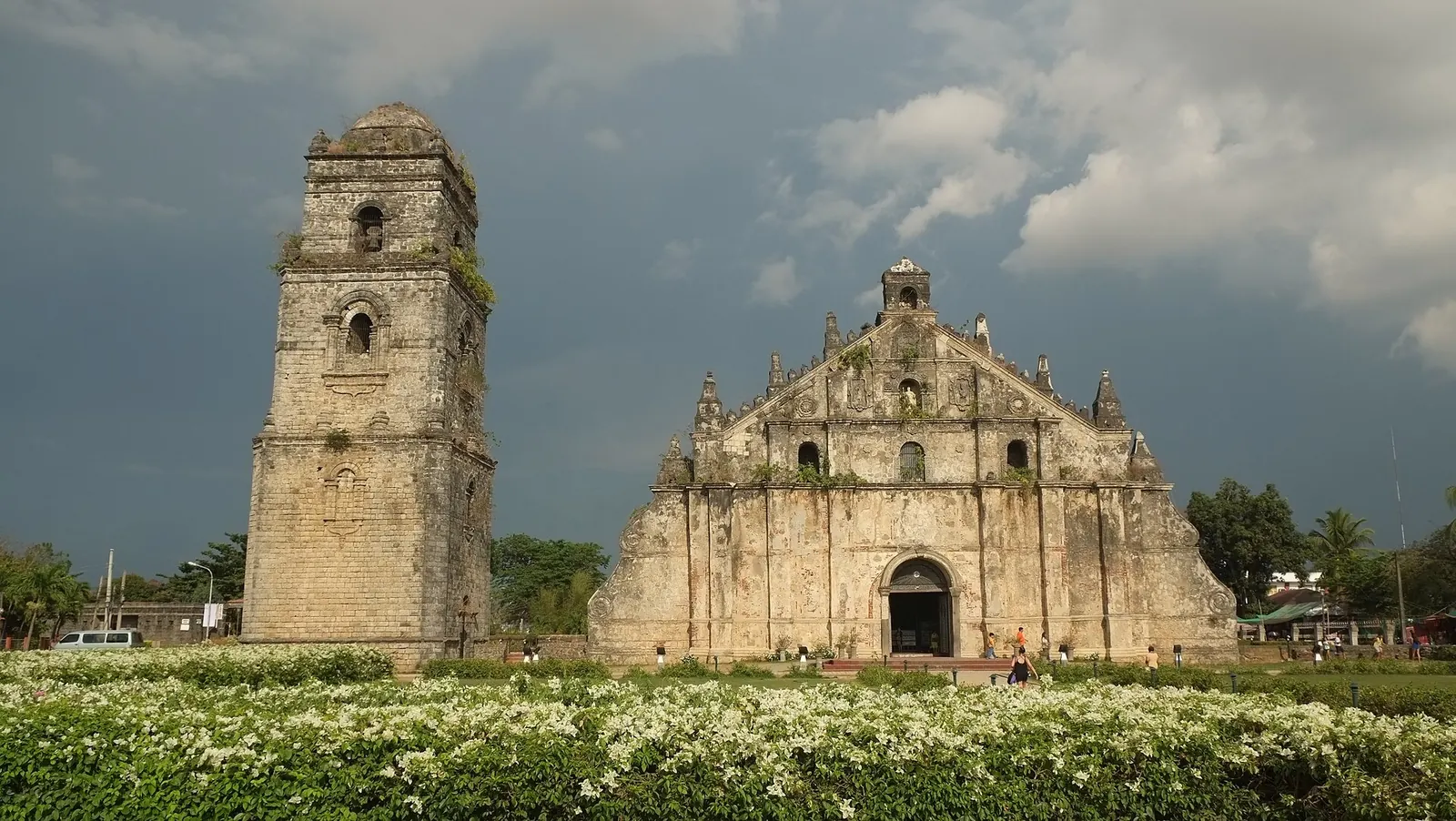
Paoay Church and Cape Bojeador Lighthouse reward a visit that asks what historic structures were built to do.
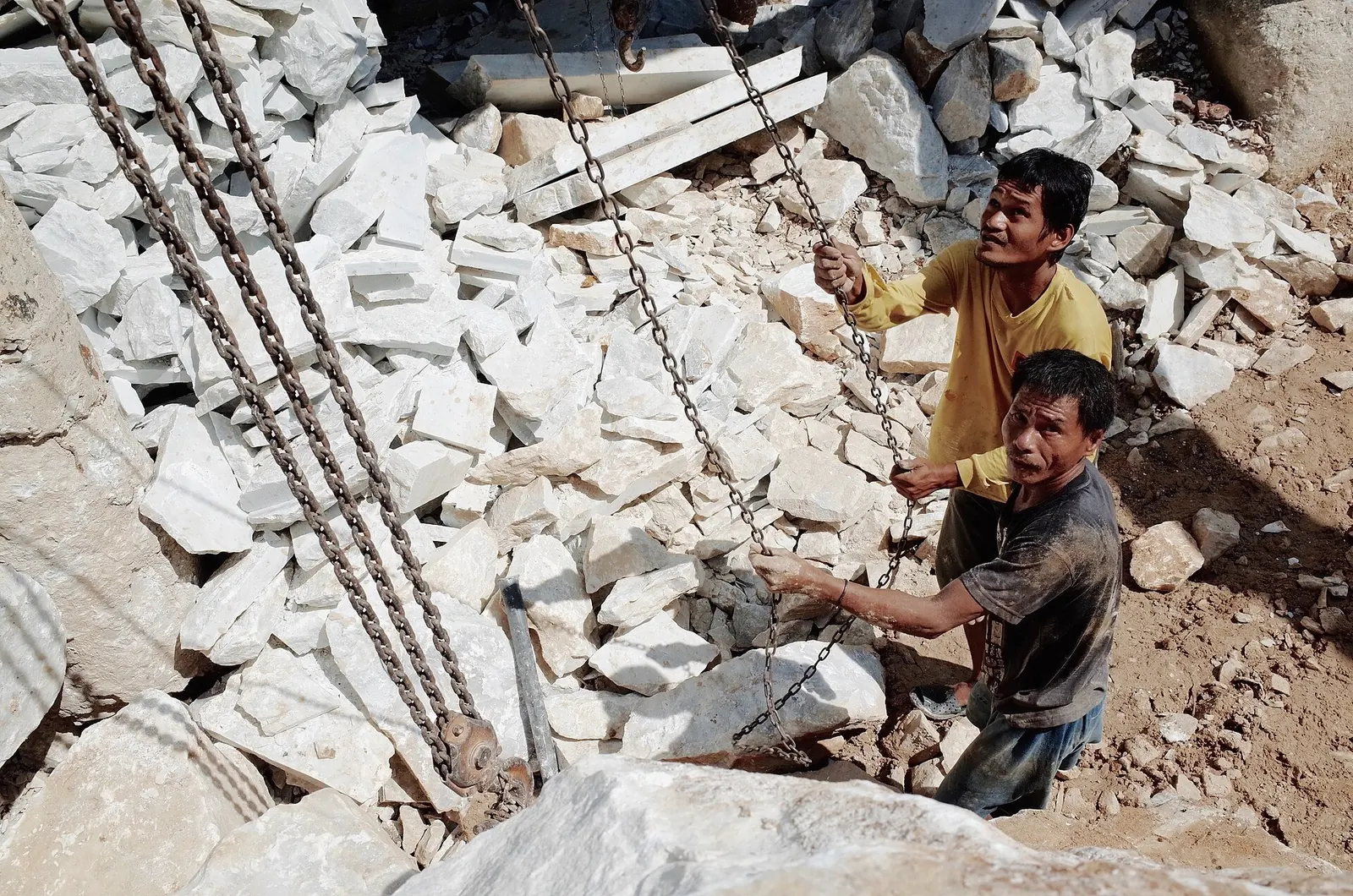 Arts and Music
Romblon’s signature stone belongs to geology, sculpture and an industry deciding how its craft will continue.
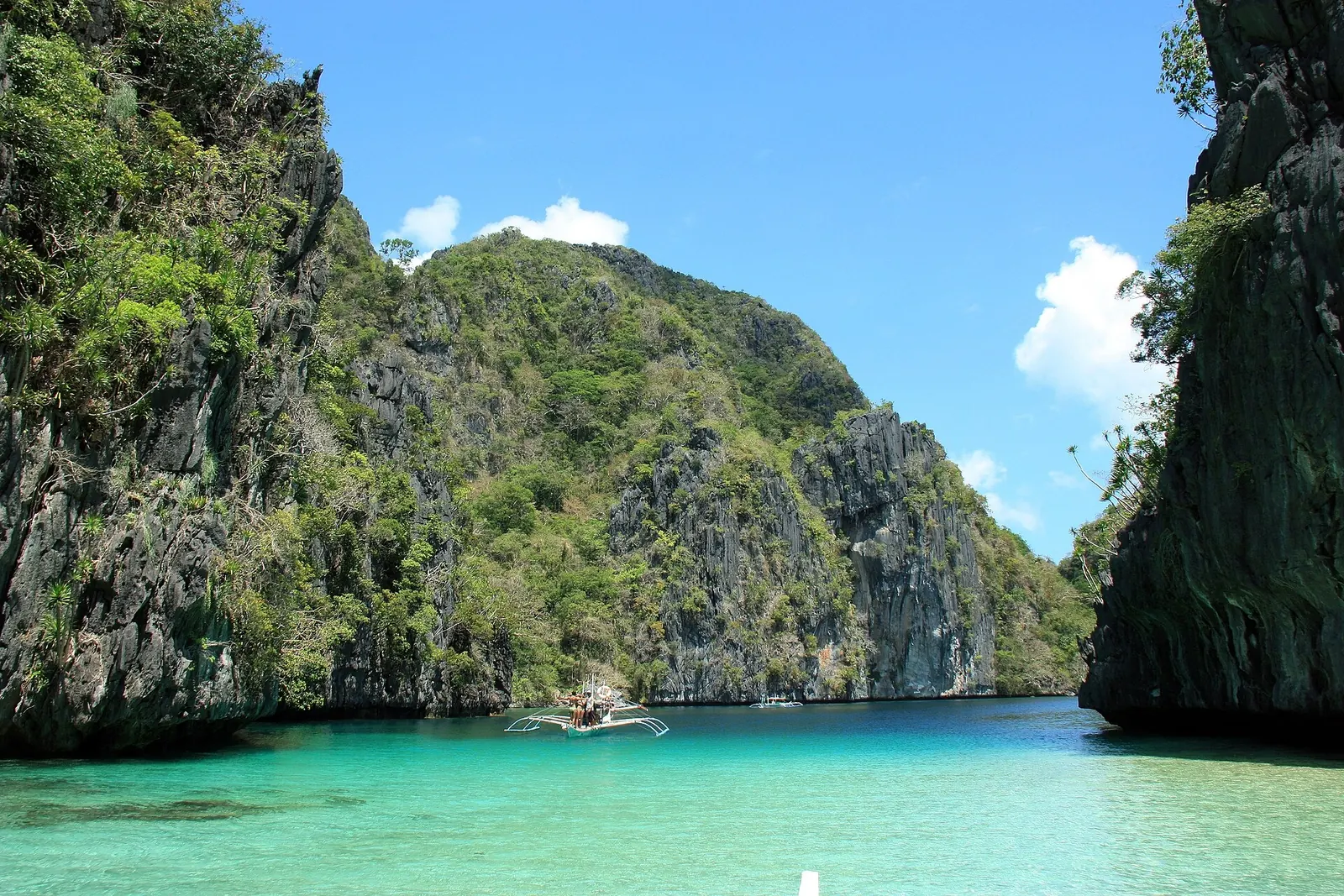 Places
Understanding the protected landscapes behind Palawan’s famous views makes a journey more rewarding—and its geography less confusing.
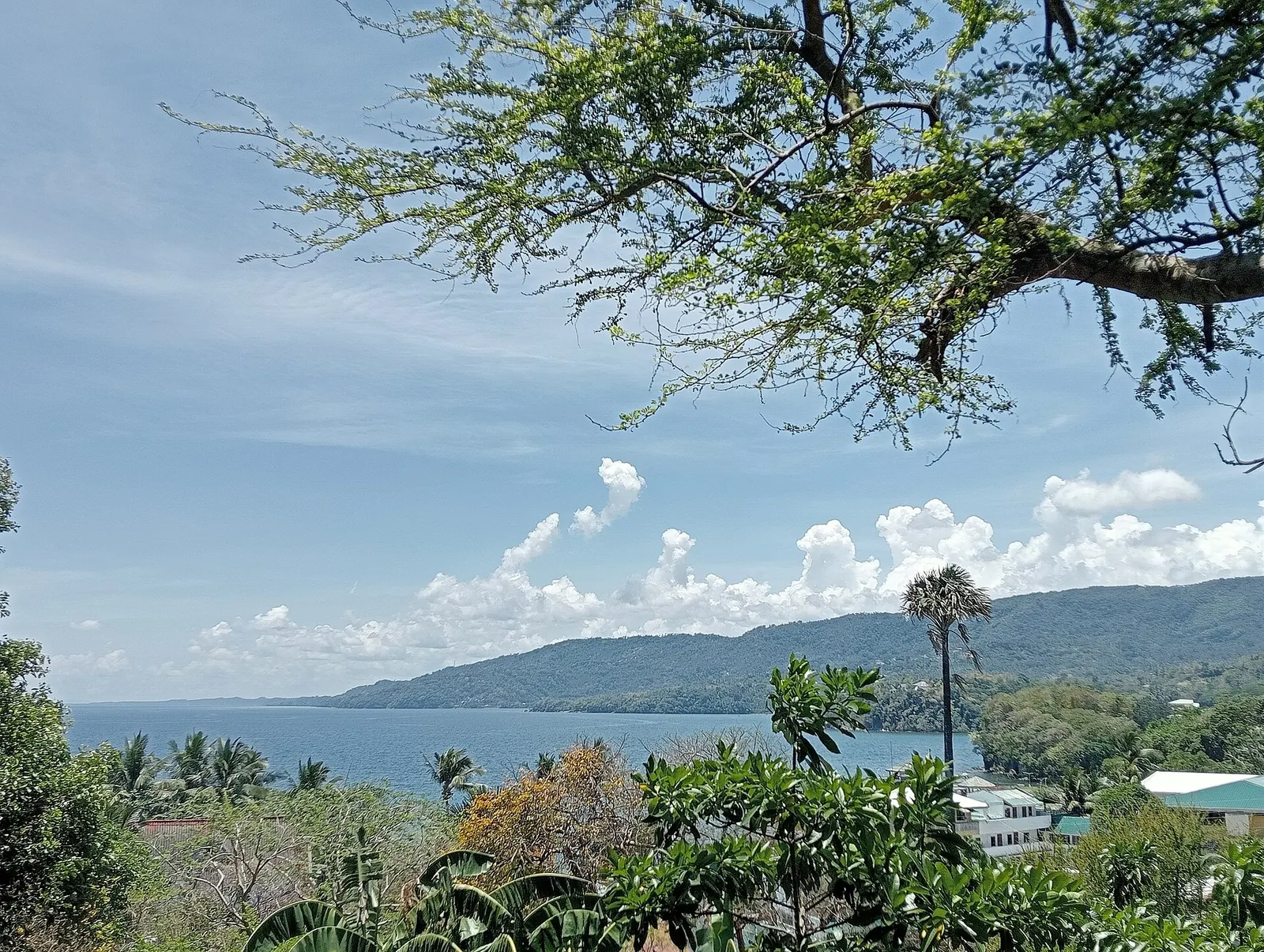 Places
Puerto Galera’s coast and Naujan Lake offer contrasting introductions to the province’s connected water landscapes.
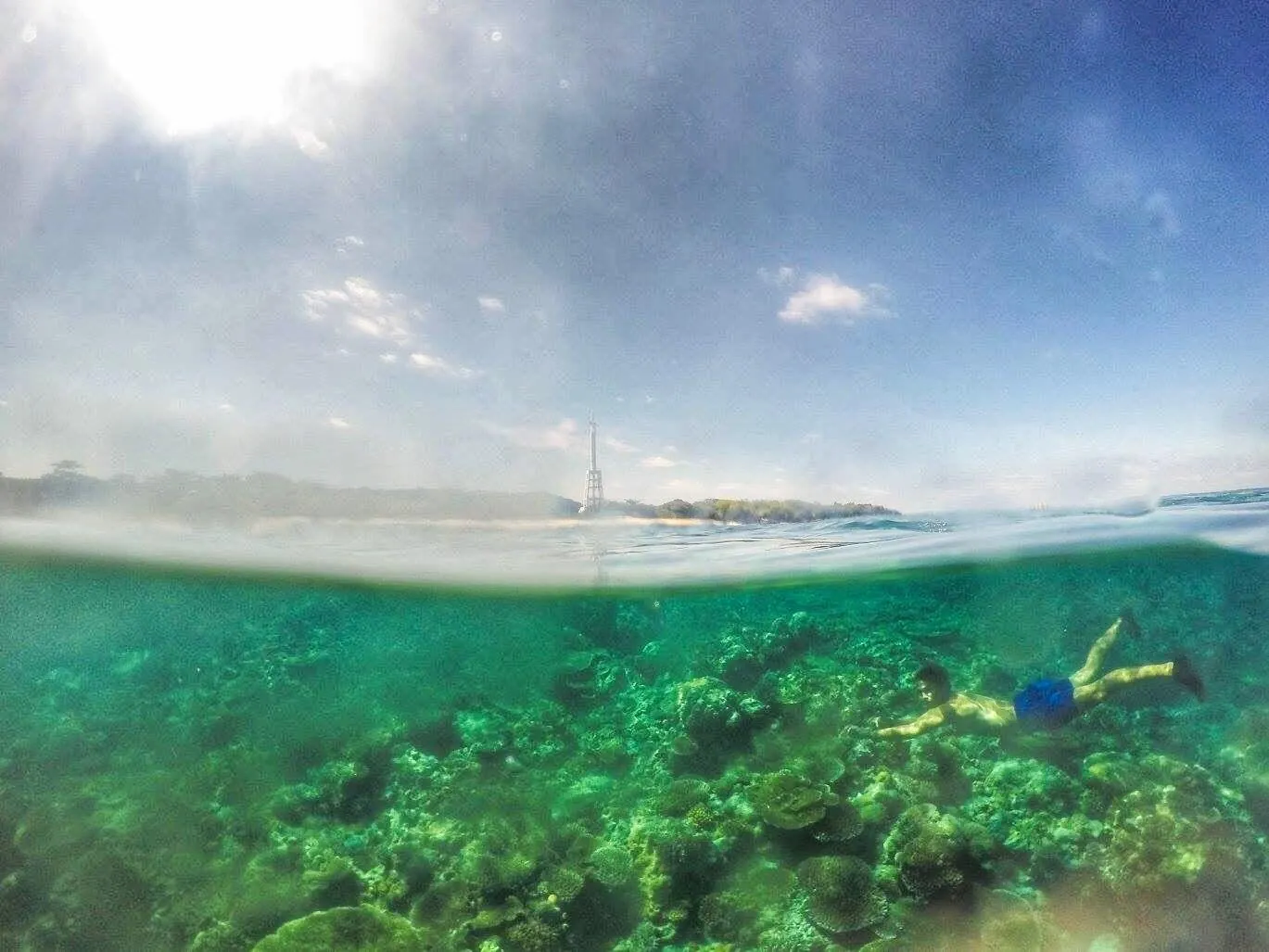 Places
Apo Reef and the mountains of central Mindoro reveal why conservation here must account for both water and land.
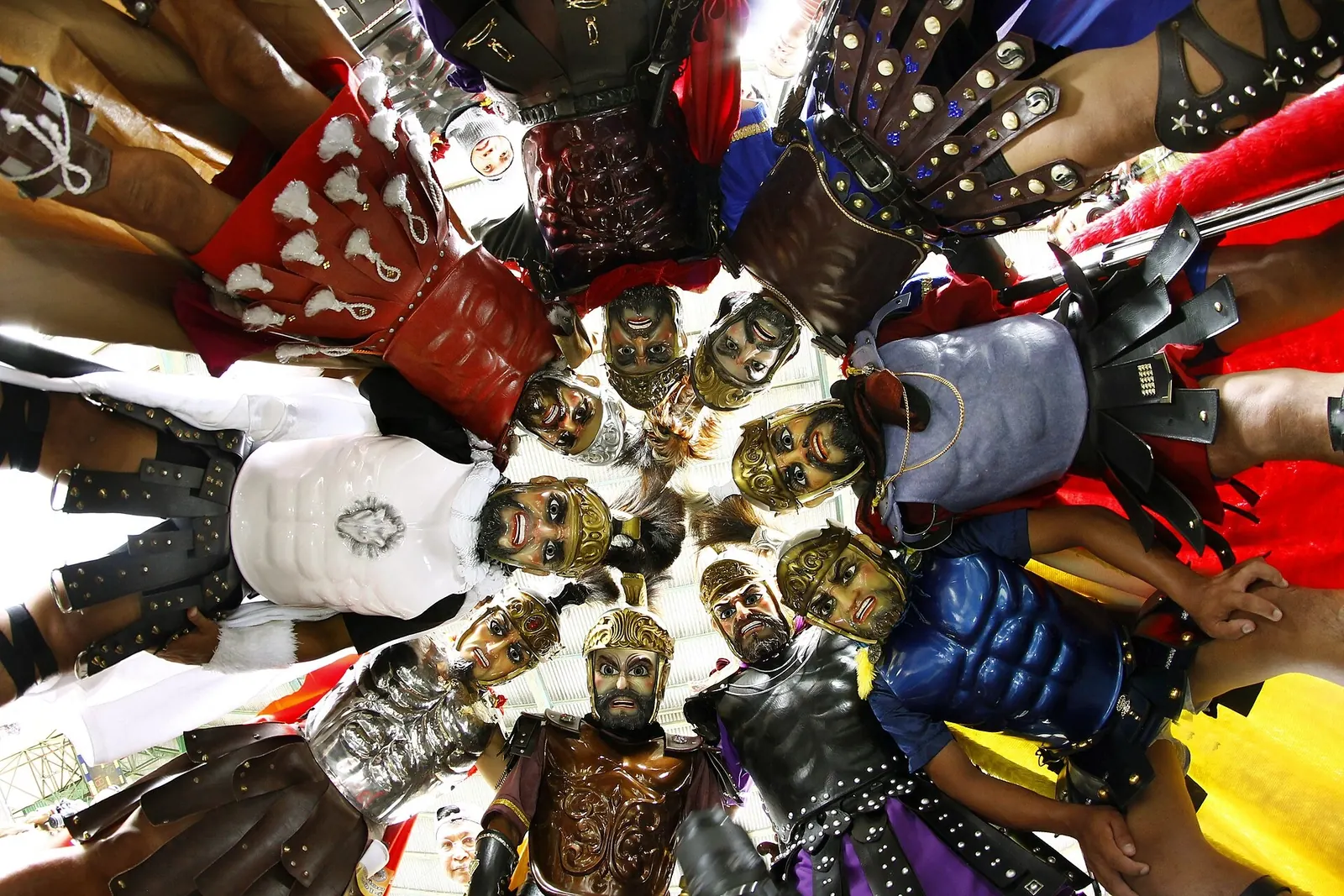 Culture
A closer look at Moryonan and the island’s shipwreck collections reveals two very different ways of remembering the past.
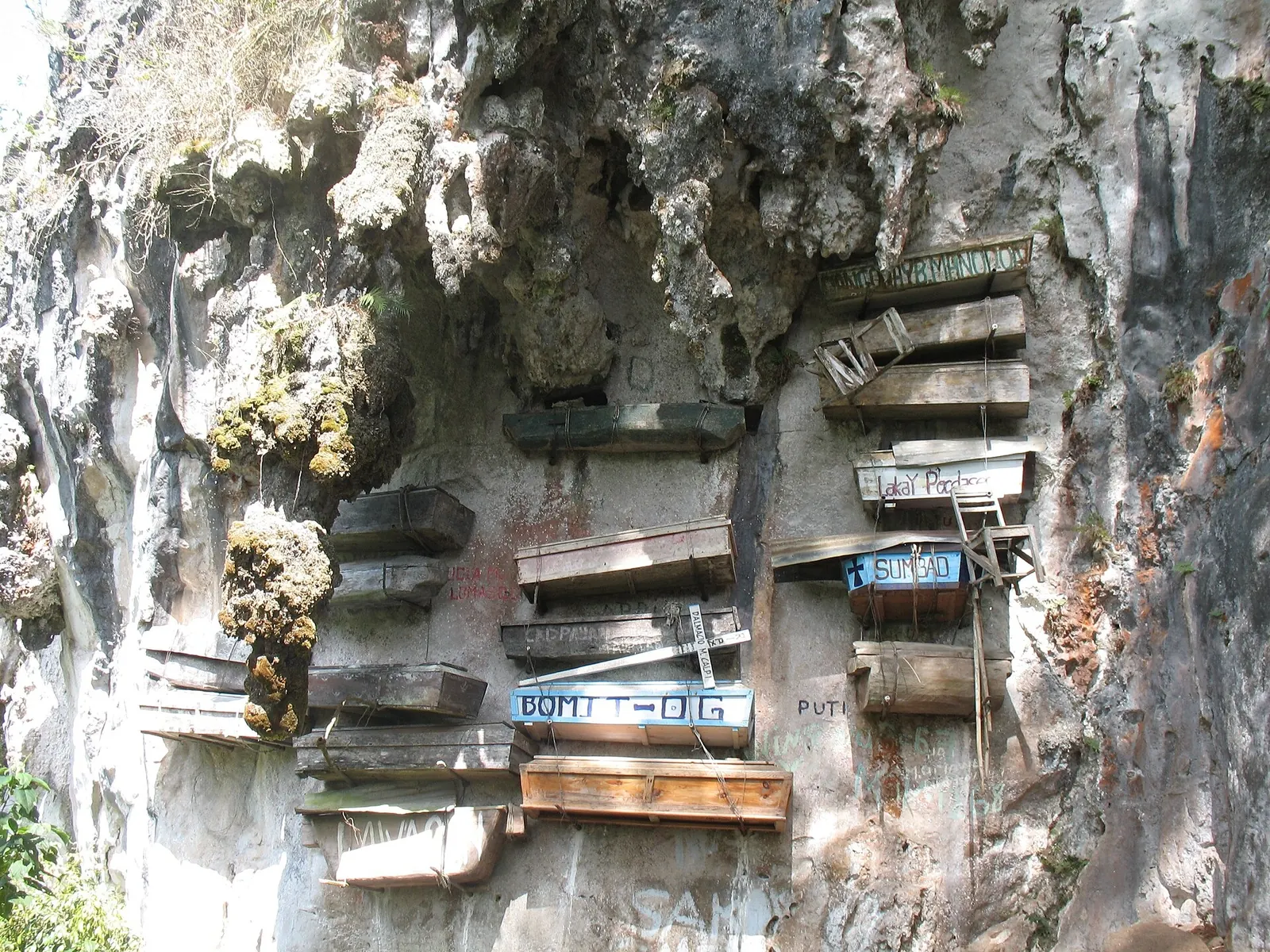 Places
Sagada’s burial sites and surrounding landscapes invite careful attention to the difference between a public attraction and a place held sacred by a community.
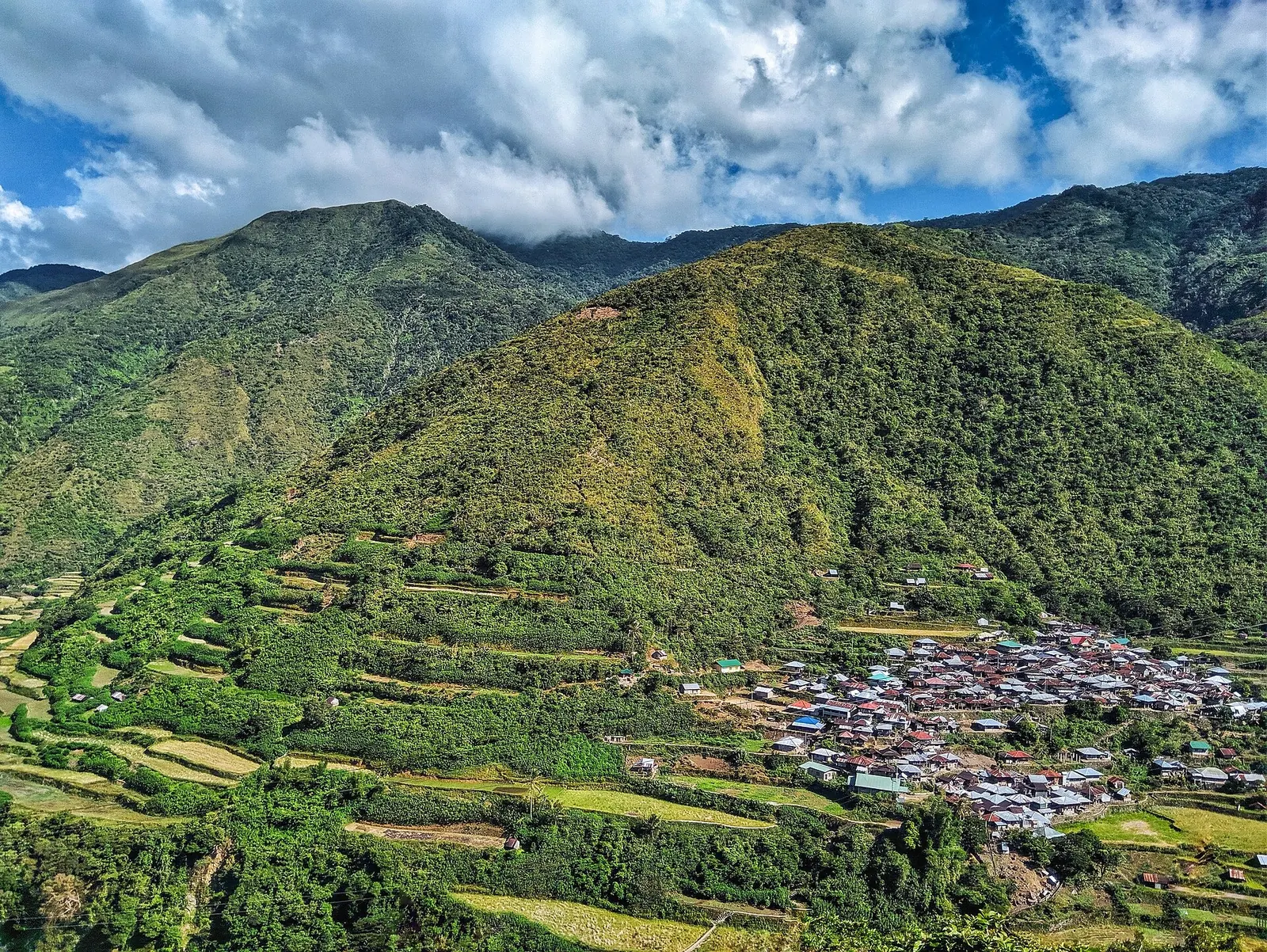 Arts and Music
Batok is easier to appreciate when its techniques are understood alongside the particular communities and histories that give the marks meaning.
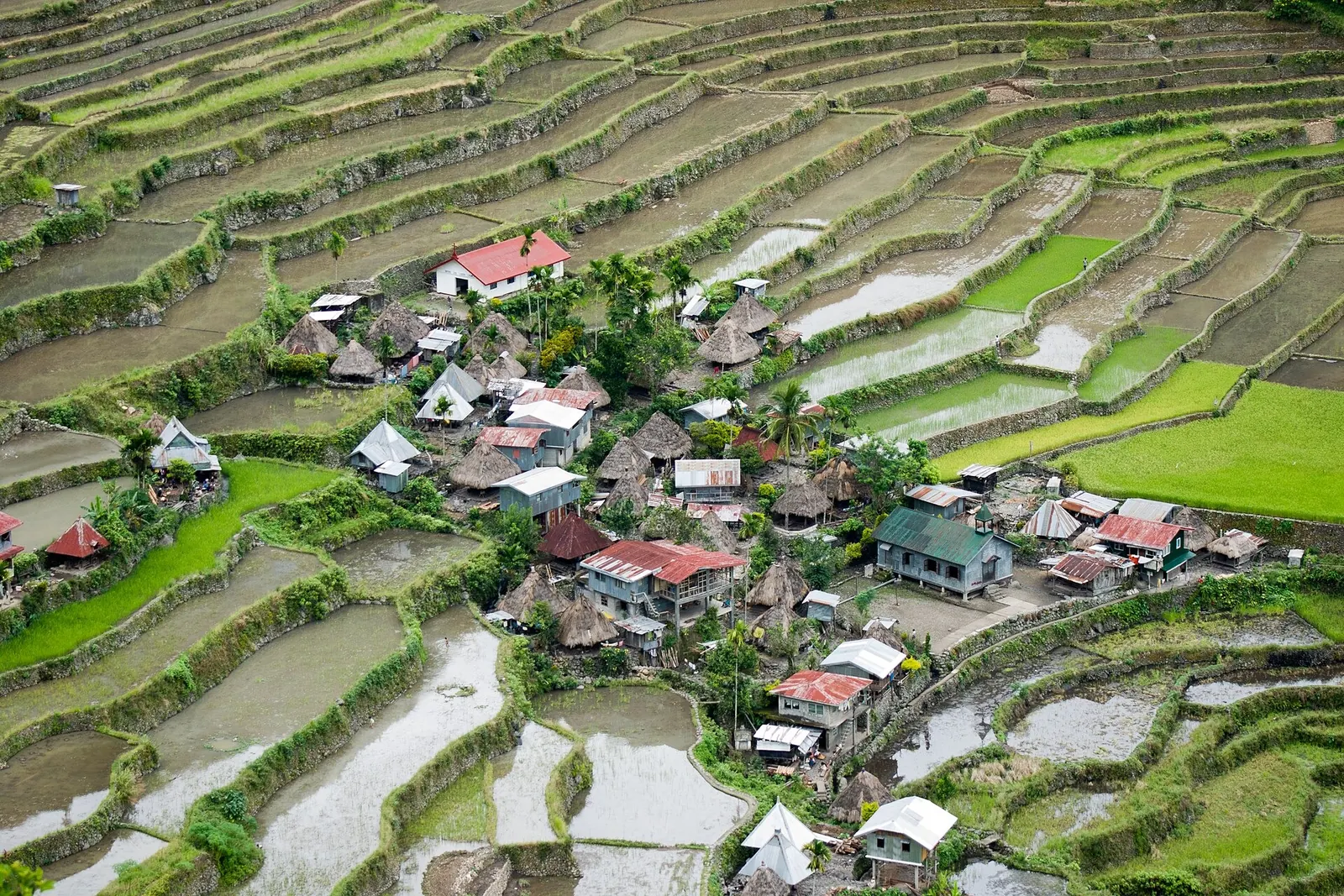 Culture
Batad, Bangaan, Nagacadan, Hungduan and Mayoyao are distinct working landscapes. Here is what sets them apart before you plan a visit.
Allow Google Analytics cookies to measure visits and reading activity? This is optional and separate from advertising. You can change your choice anytime. Privacy details