
 Food
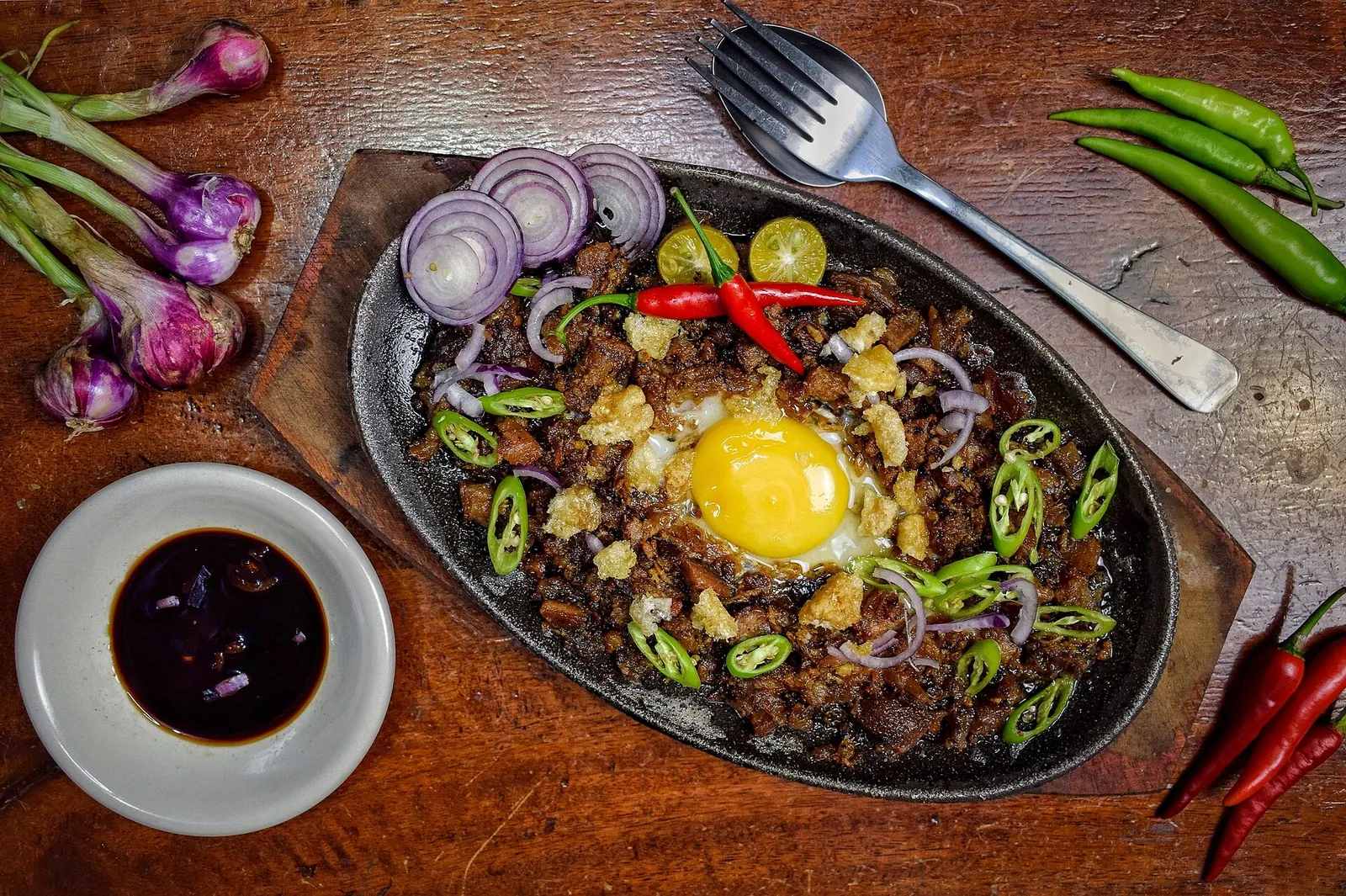
FoodPampanga: A Cuisine of Its Own
Sisig offers a starting point for exploring Kapampangan cooking, provided one famous dish is allowed to open a wider conversation.
Stories first published in September 2026, from every Orient Gazette department.
FoodSisig offers a starting point for exploring Kapampangan cooking, provided one famous dish is allowed to open a wider conversation.
 Life
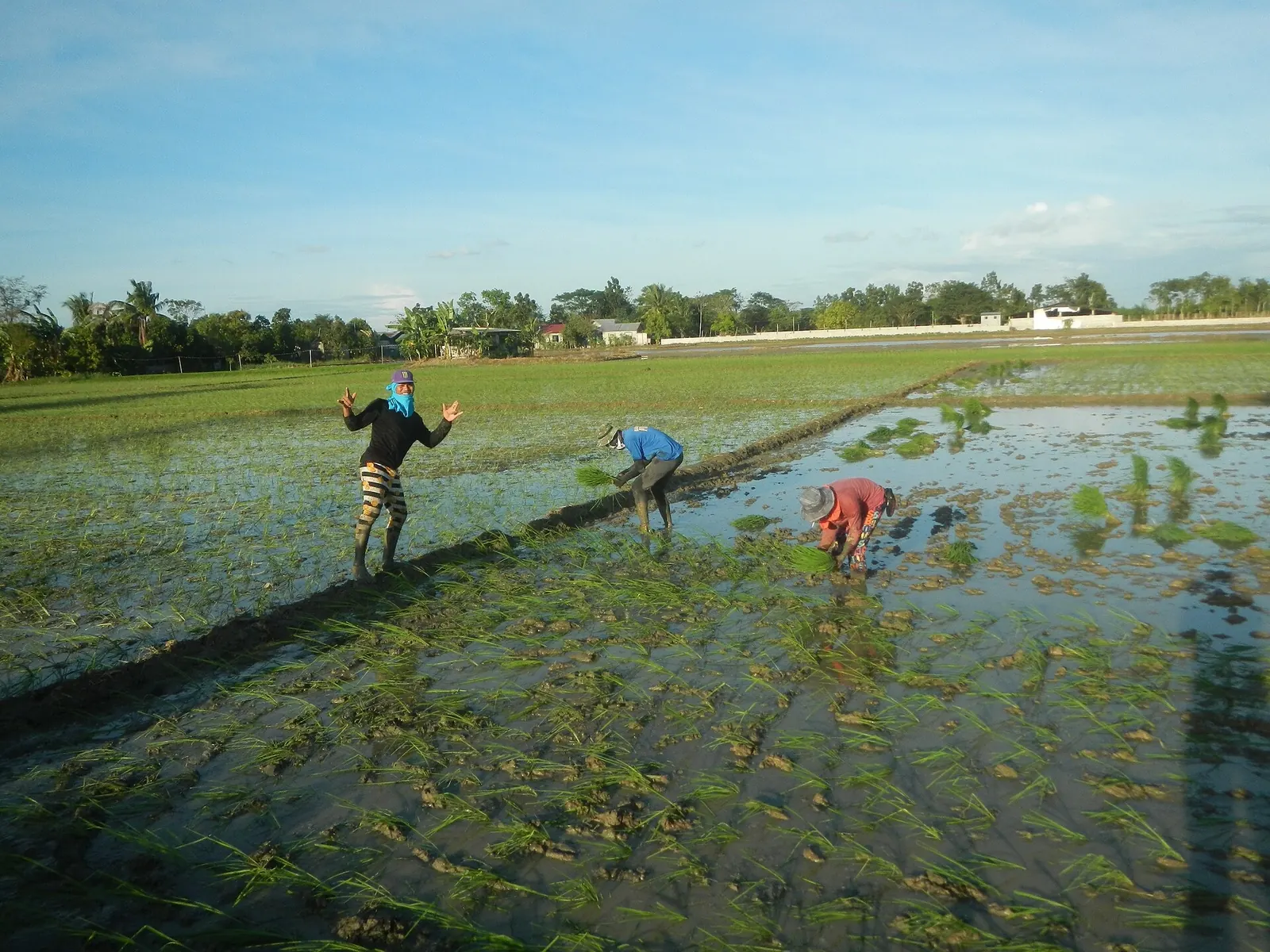
LifeIn the Science City of Muñoz, rice and dairy institutions offer a way to understand farming beyond the view of a field.
 History
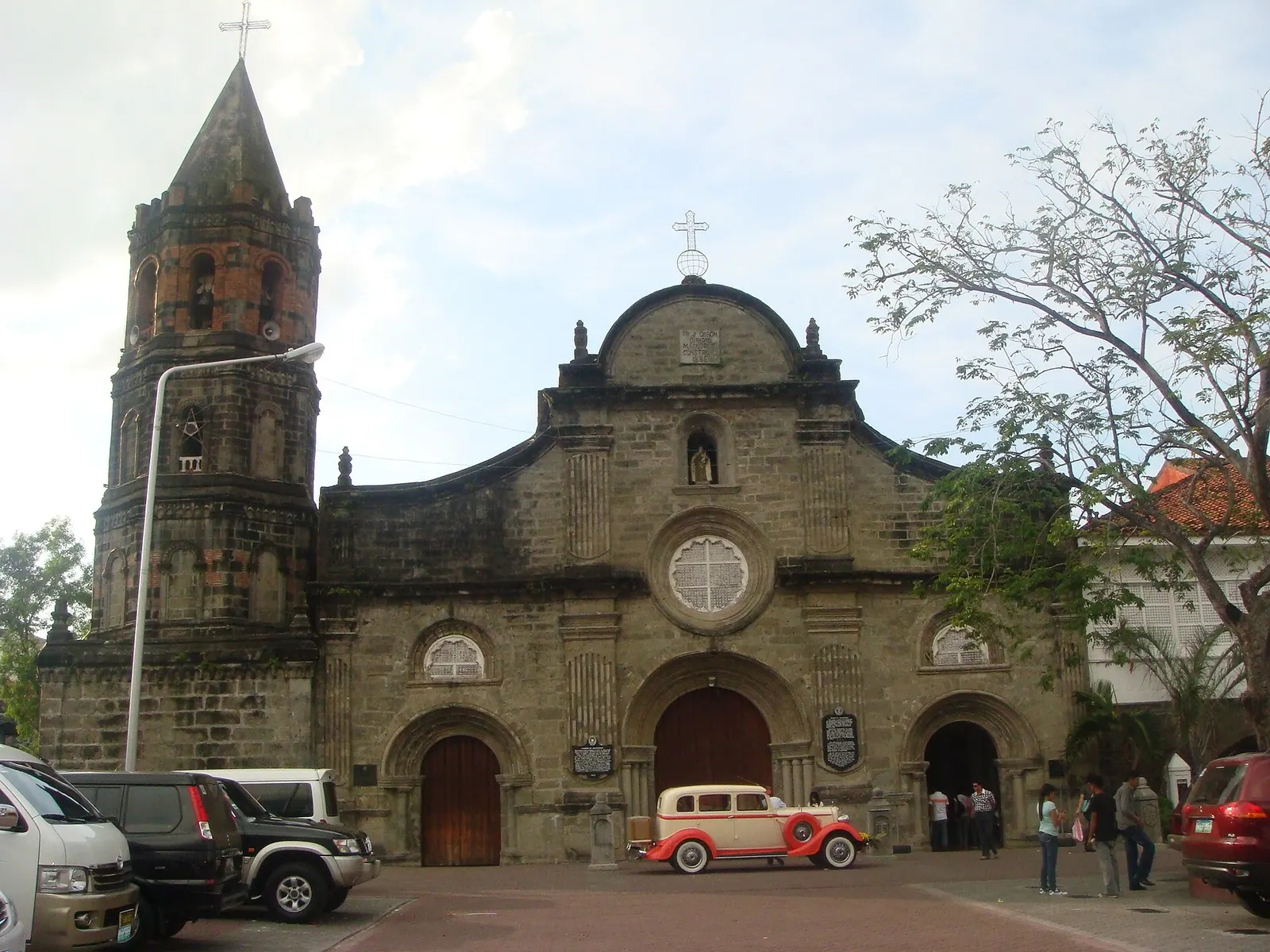
At Barasoain, a church, a congress and a constitution show how the Philippine Republic was given an institutional form.
 History
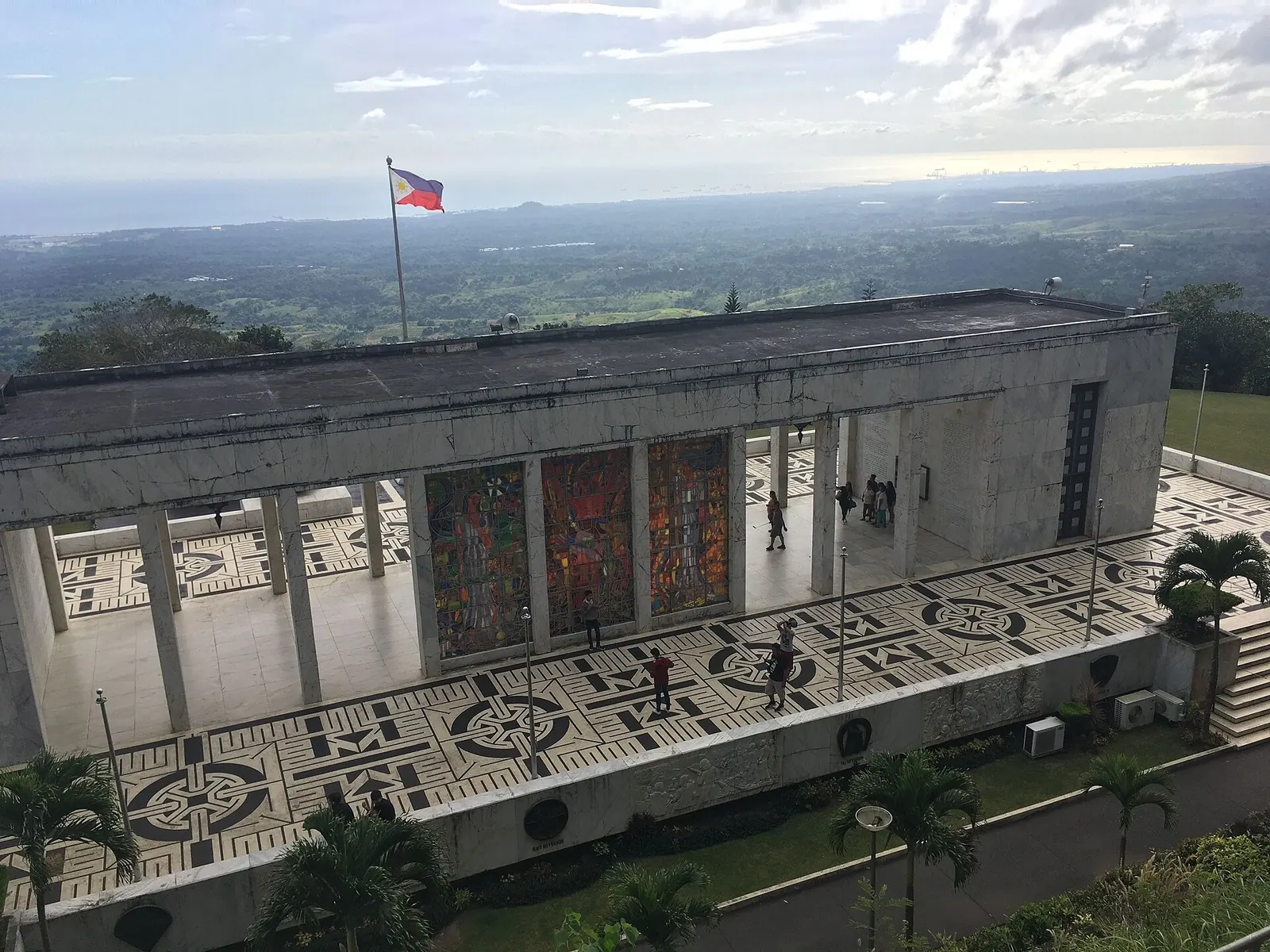
The peninsula’s memorials are best read as parts of a wartime sequence, rather than interchangeable monuments.
 Places
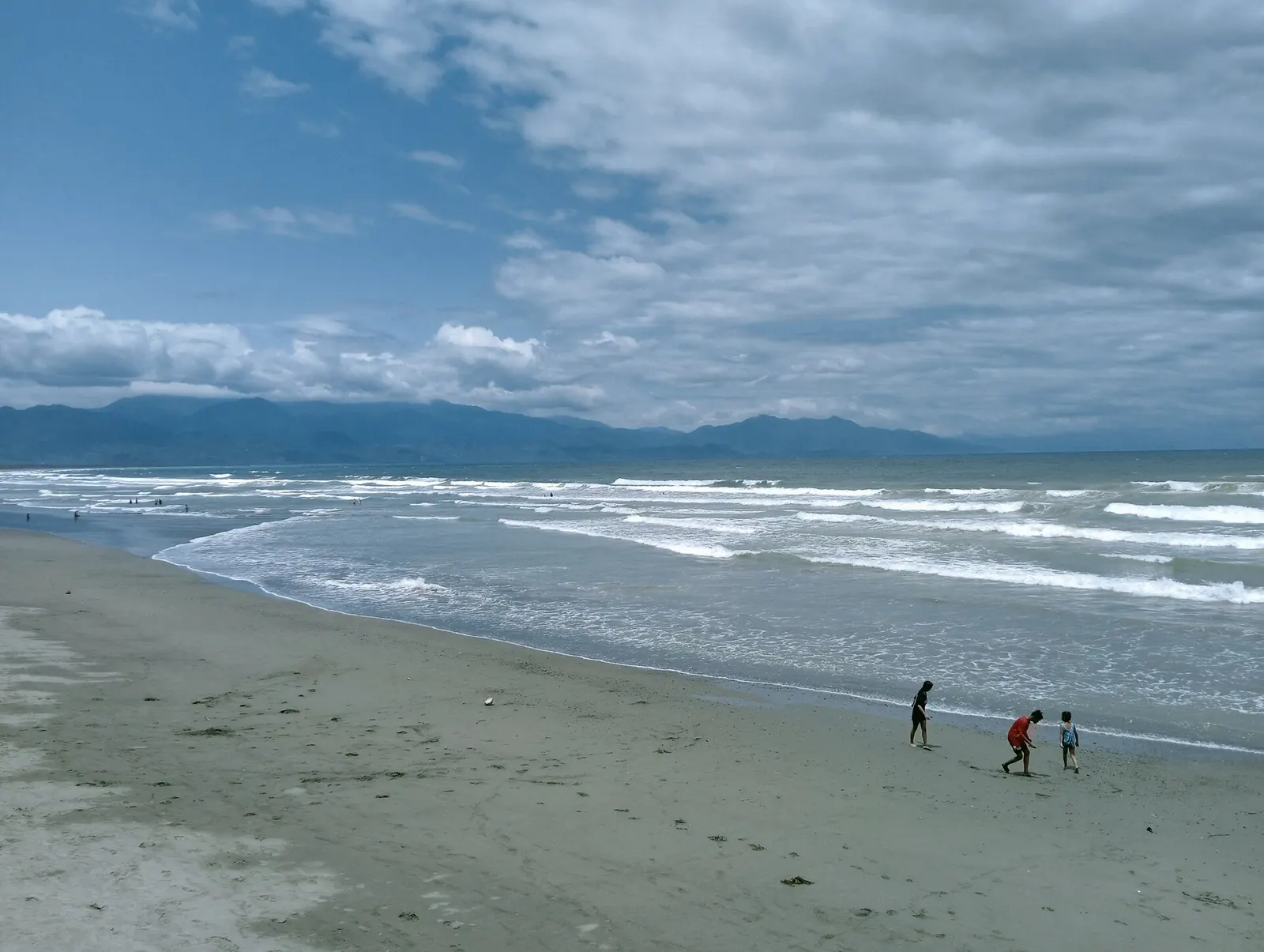
Baler’s Pacific setting brings together surfing, coastal memory and a town whose history extends well beyond the beach.
 Places
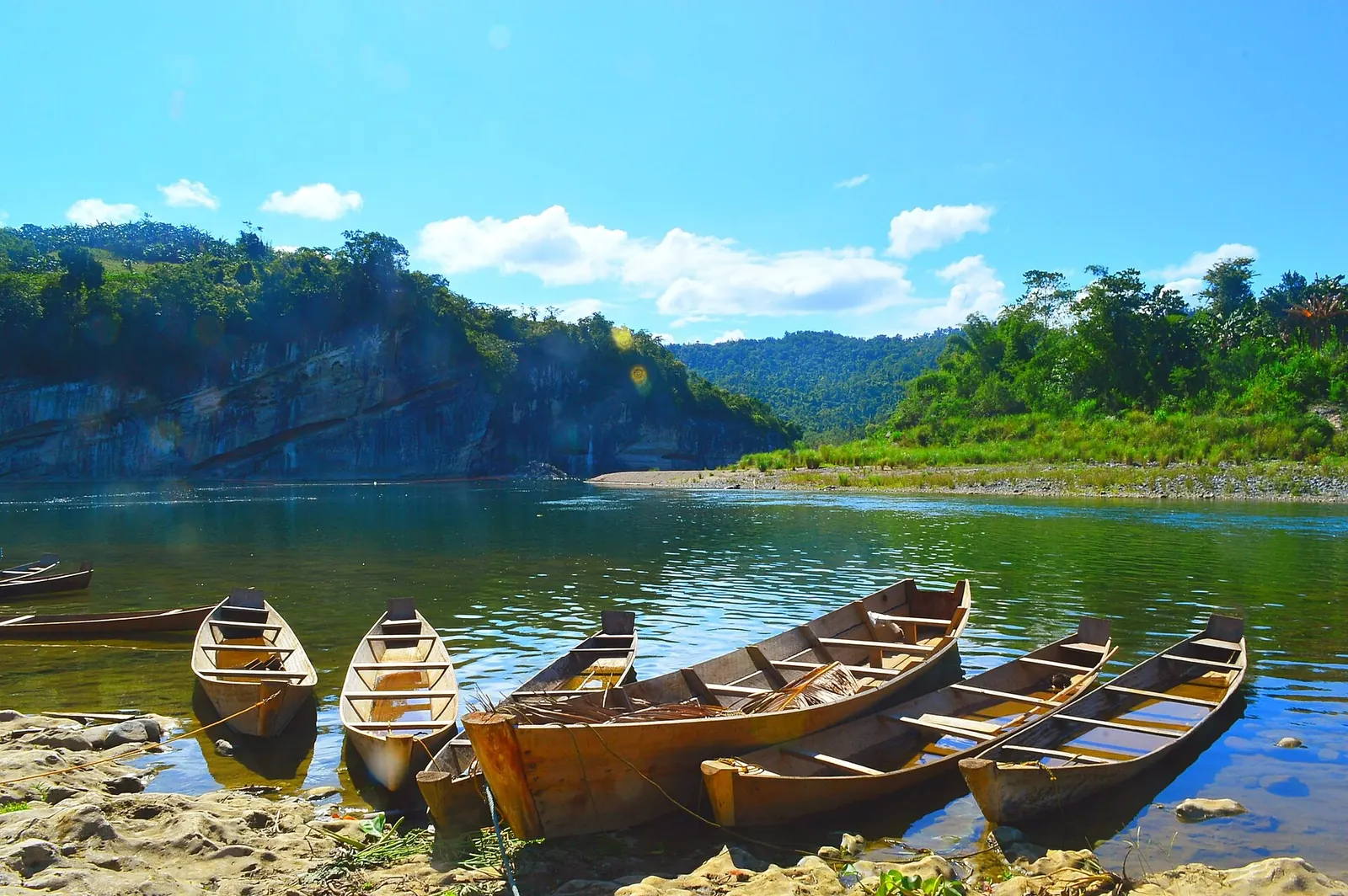
The Cagayan River, limestone walls and upland viewpoints give Quirino a geography worth understanding before choosing an activity.
 Places
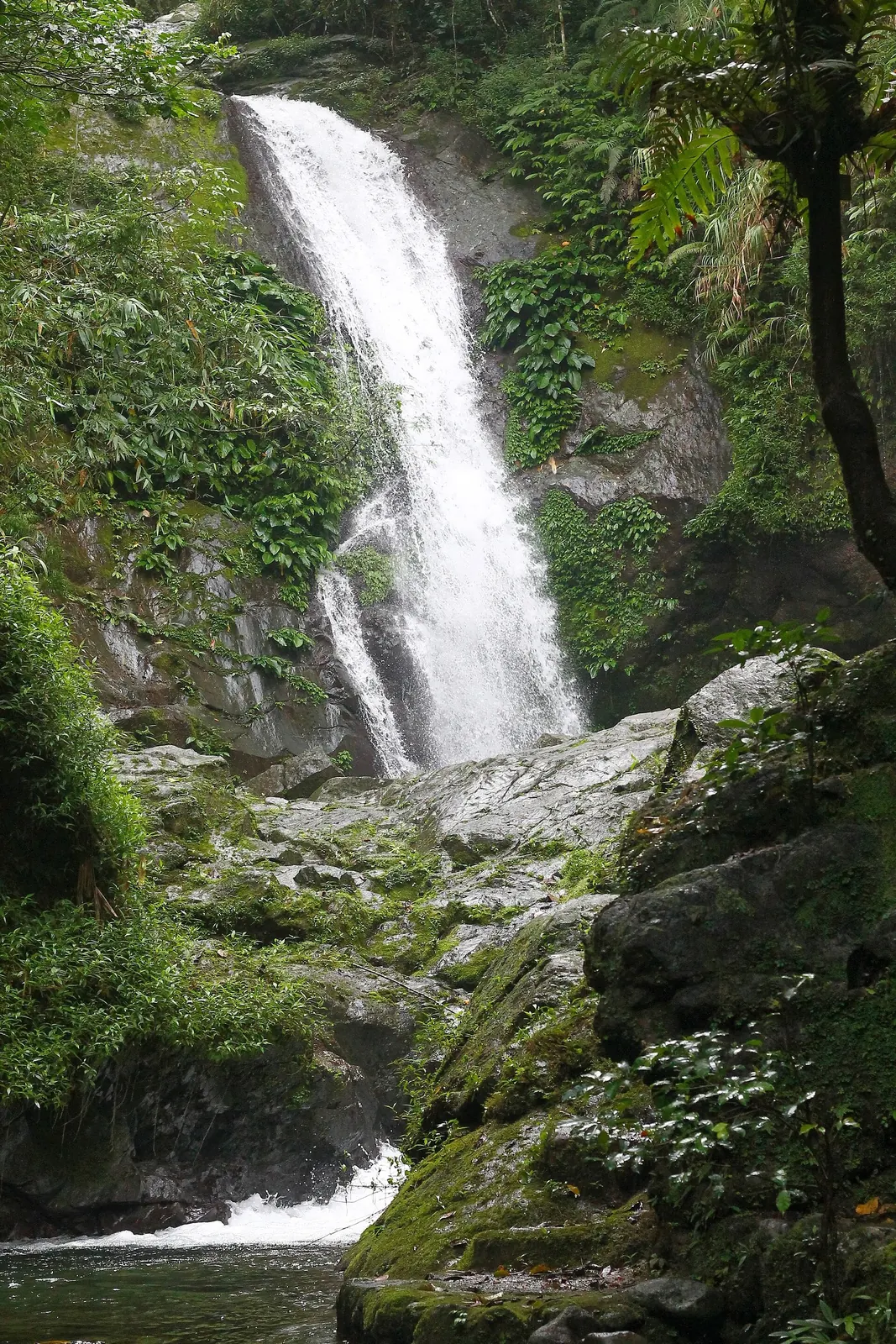
Following the movement of water links Nueva Vizcaya’s mountain landscapes with the underground chambers of Capissaan.
 Food
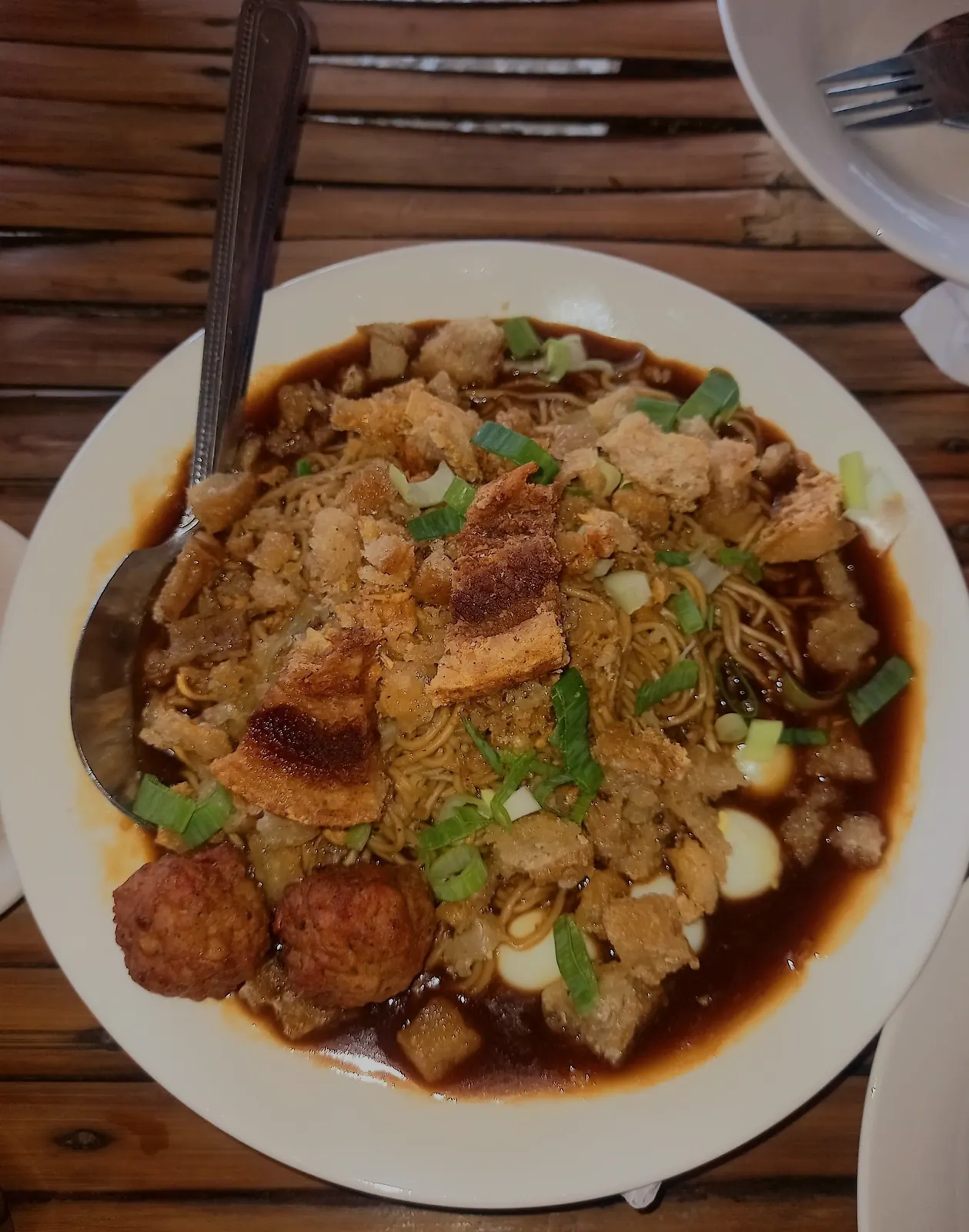
FoodPancit Cabagan and banana-leaf-wrapped rice delicacies offer a useful introduction to Isabela’s food traditions.
 Places
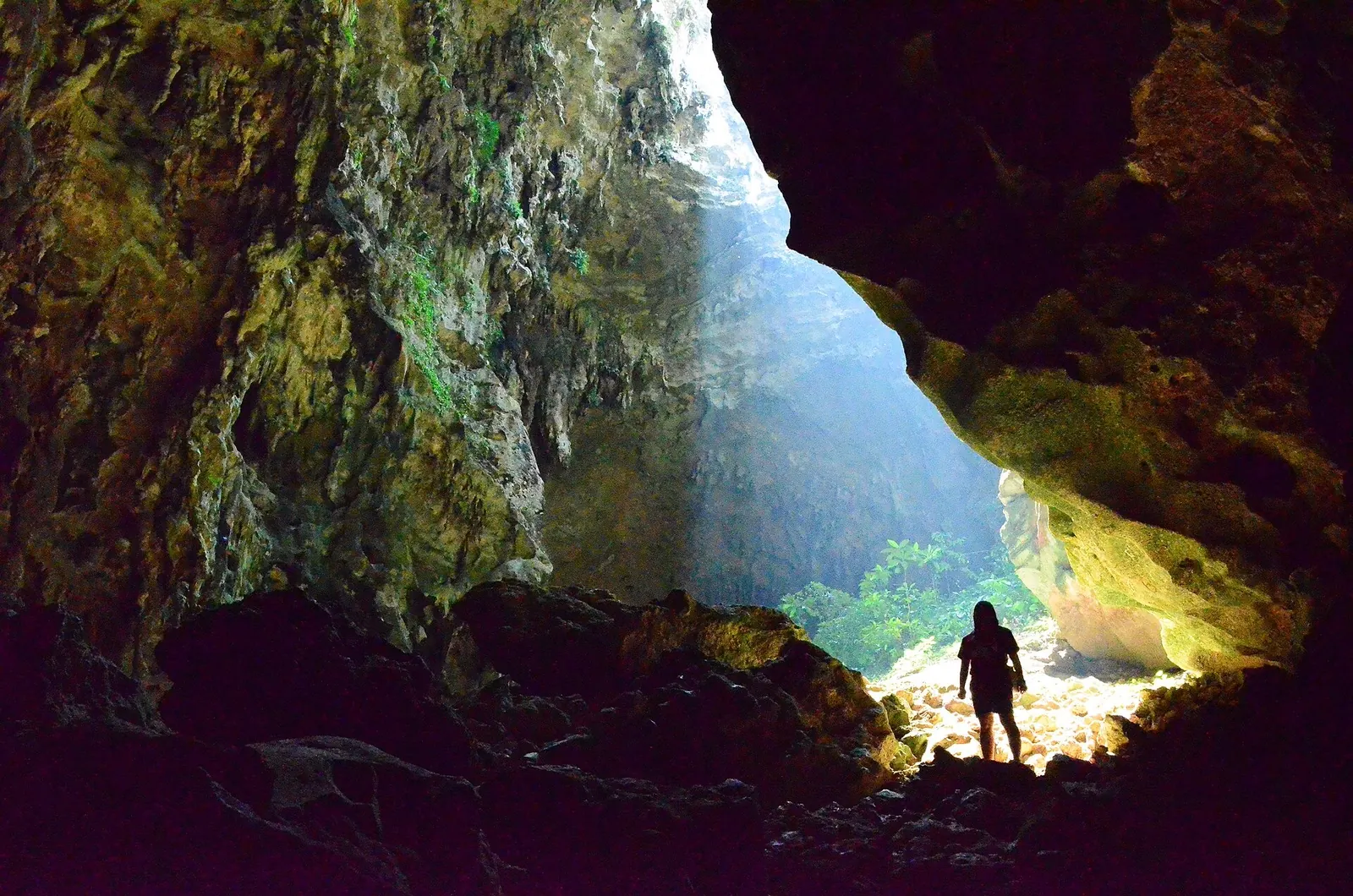
At Callao, the significance of a cave extends from its visible chambers to evidence that changed the study of human evolution.
 Places
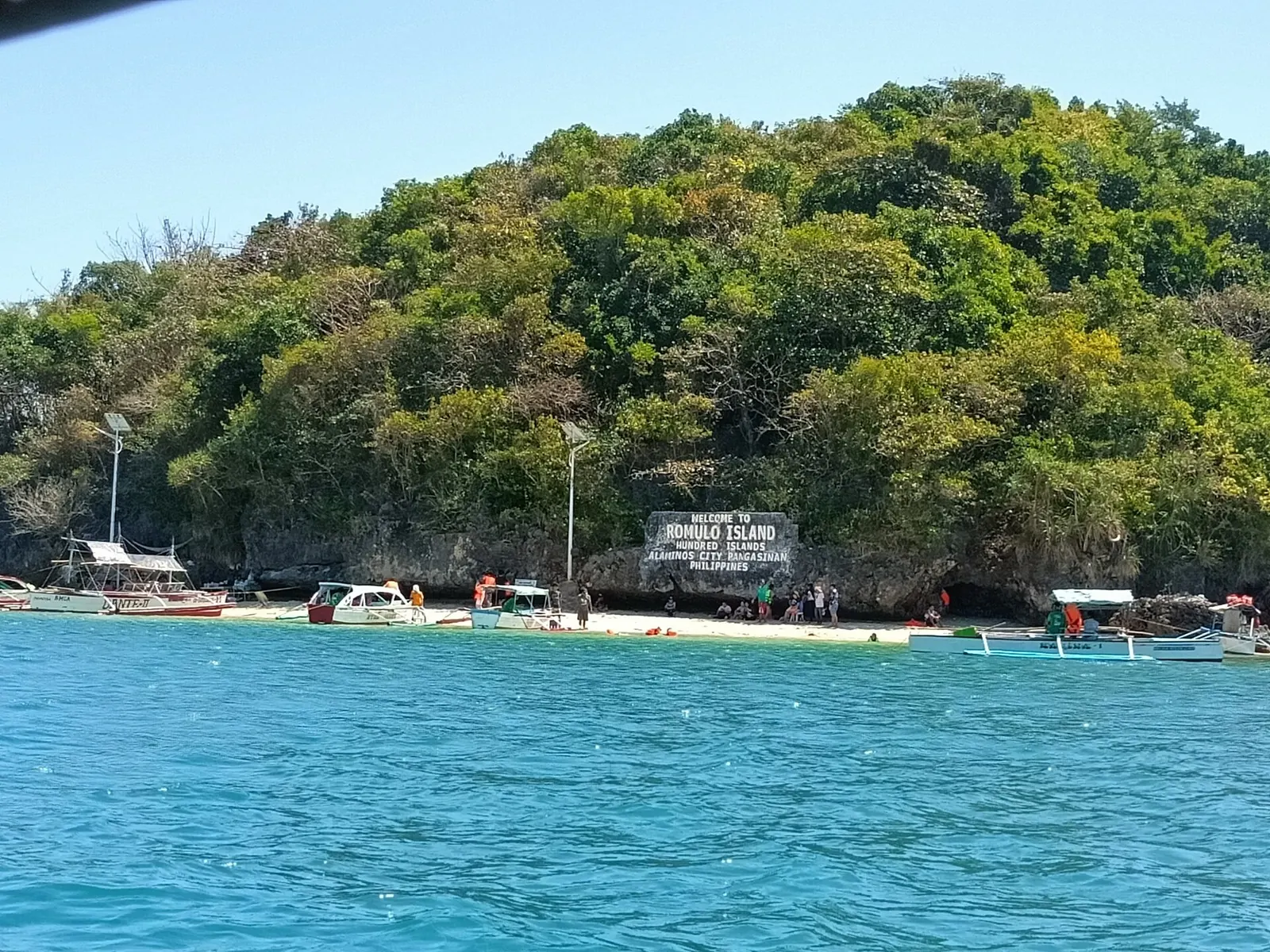
The islands off Alaminos make more sense when viewed as a limestone landscape, not a checklist of boat stops.
 Places
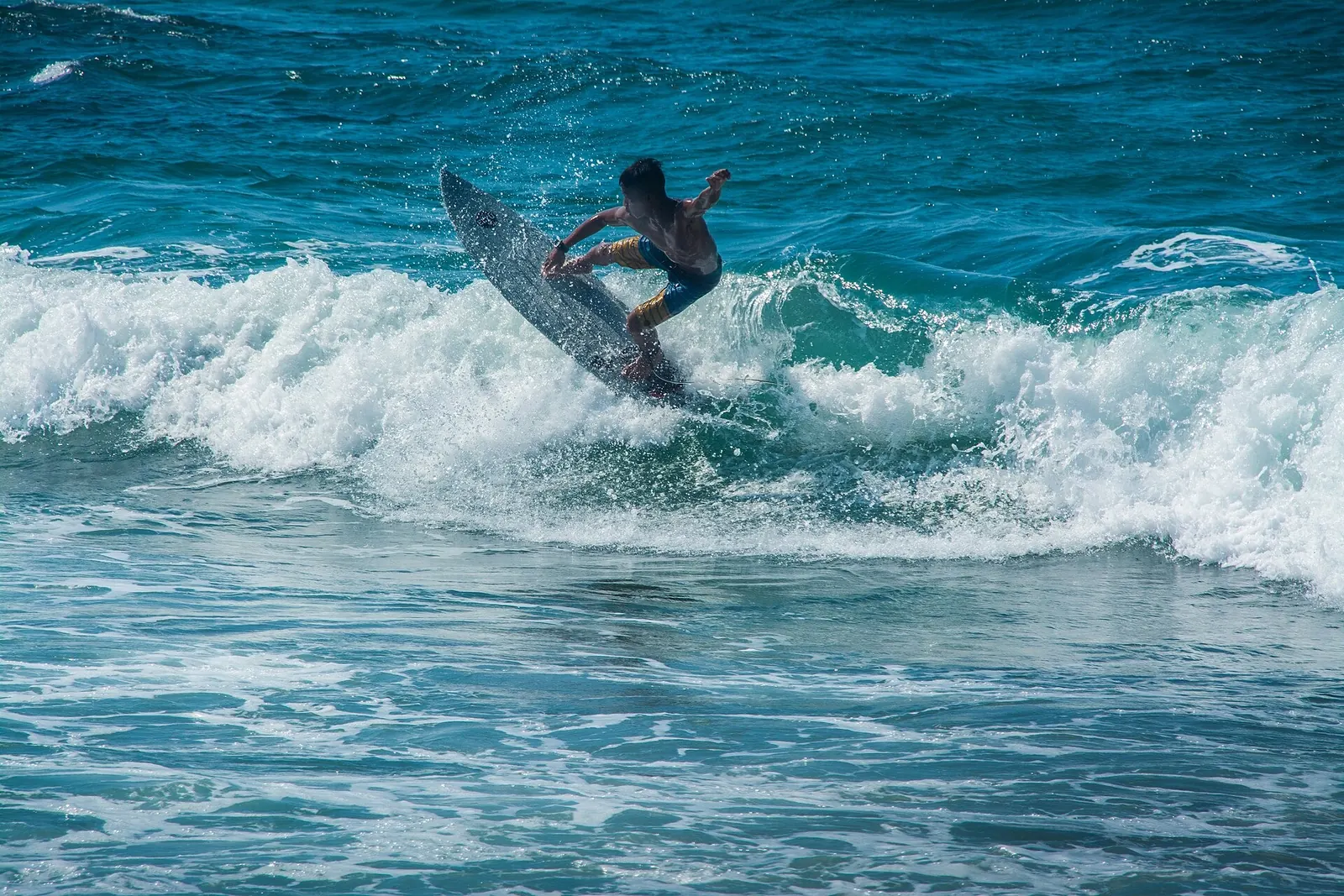
Luna and Bangar offer a northern La Union journey through coastal memory, religious devotion and the work of weaving.
 History
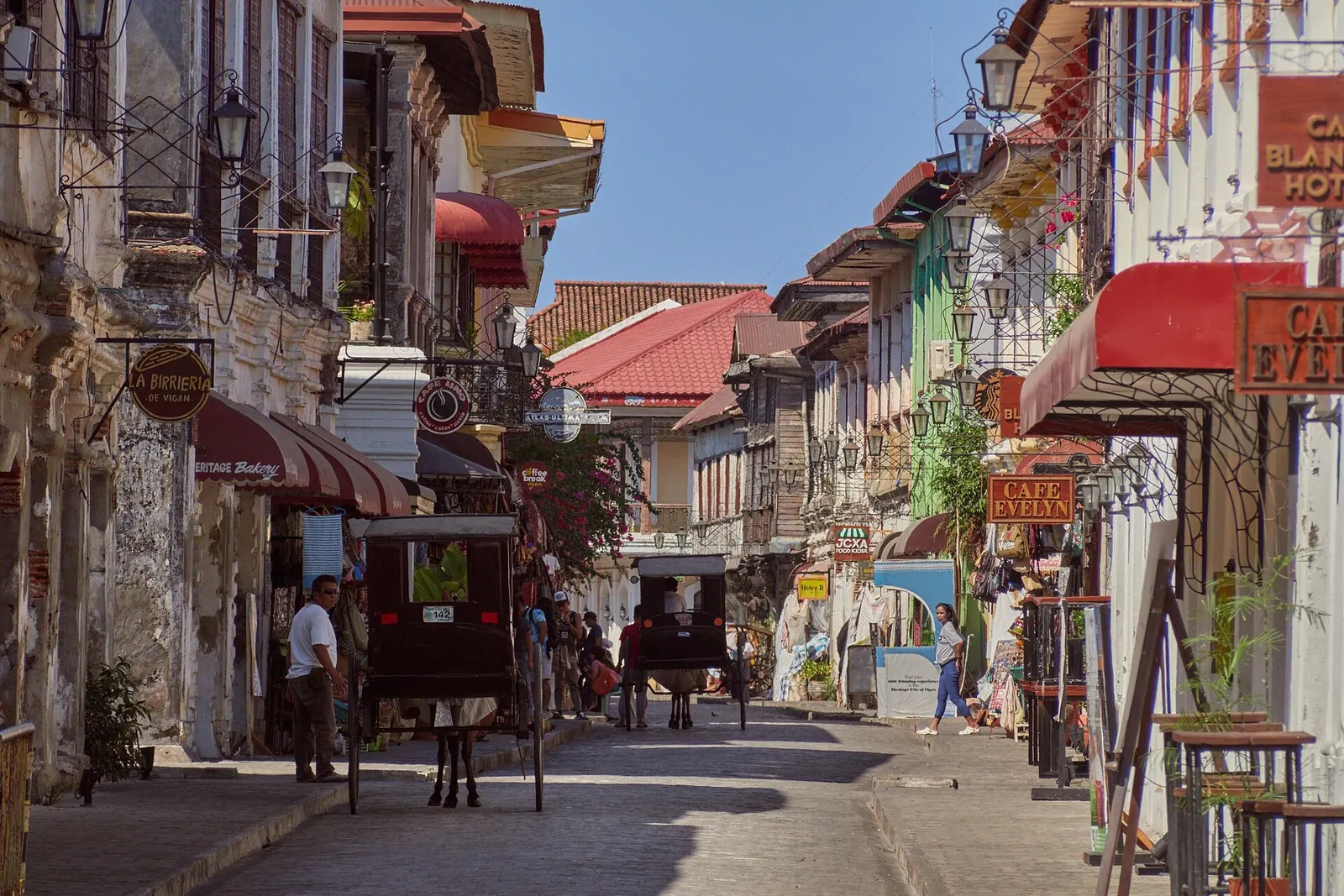
Vigan’s streets and museum collections explain a trading town shaped by several cultures—and by conflict as well as commerce.
 History
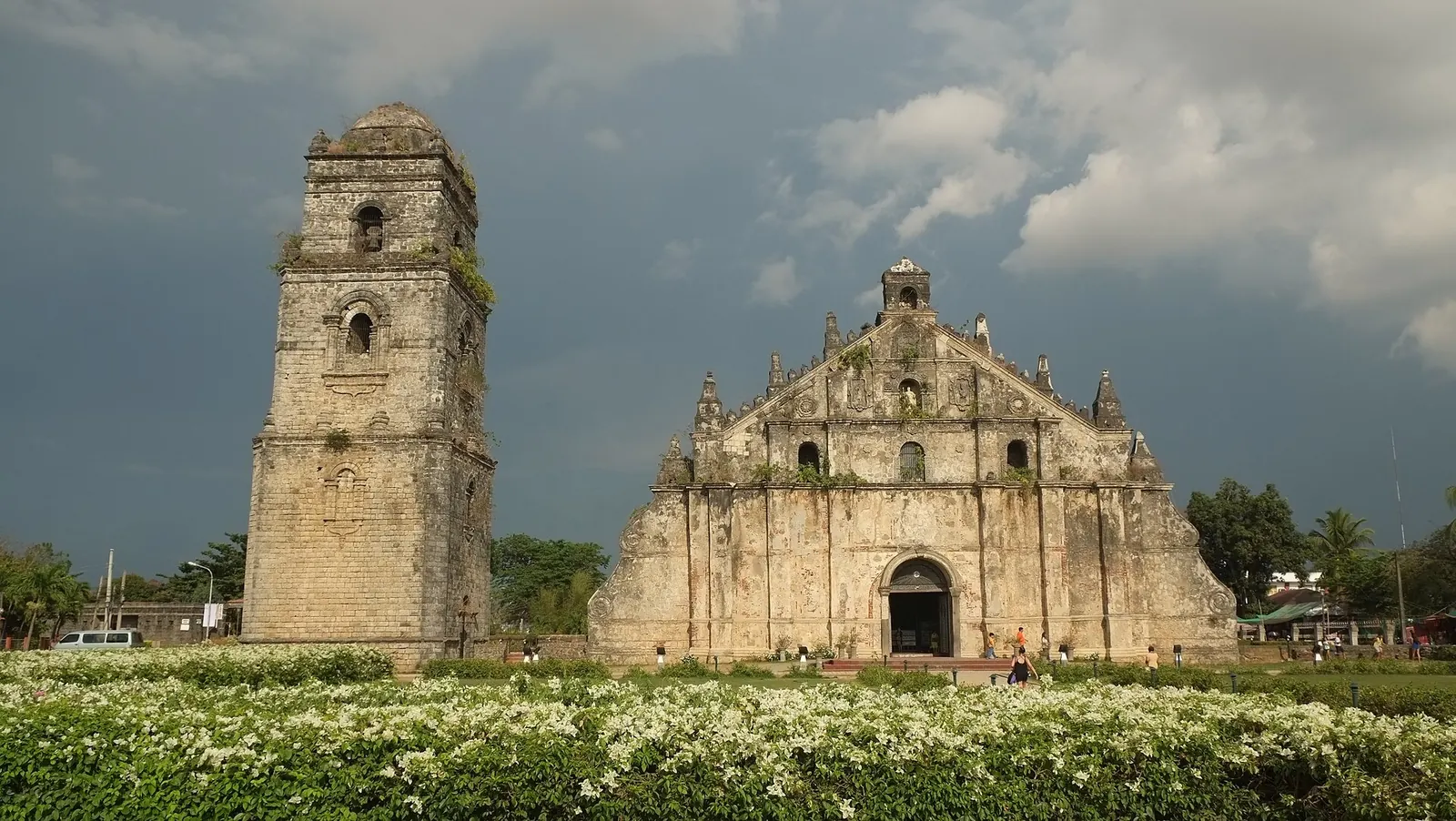
Paoay Church and Cape Bojeador Lighthouse reward a visit that asks what historic structures were built to do.
 Arts and Music
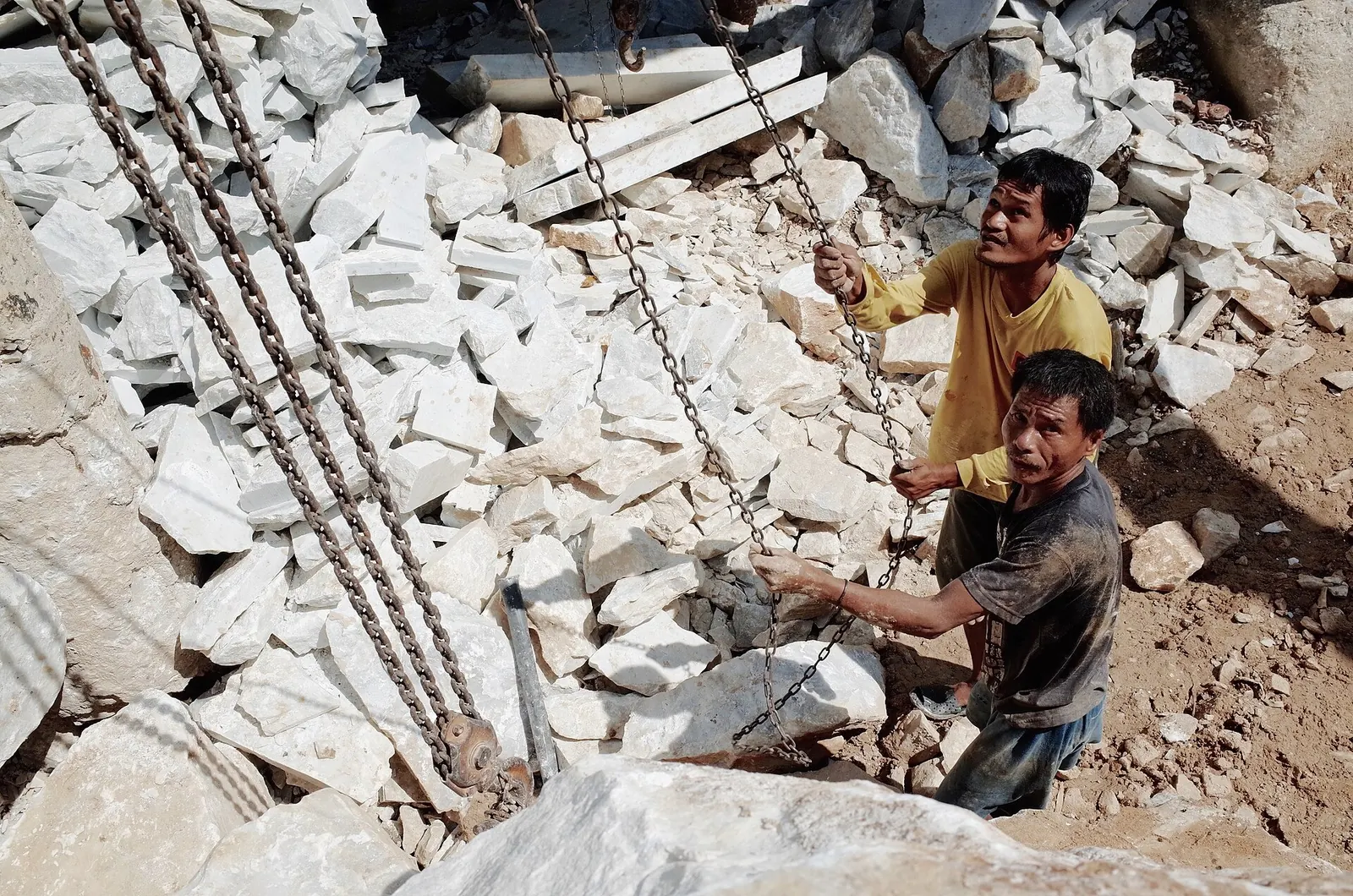
Romblon’s signature stone belongs to geology, sculpture and an industry deciding how its craft will continue.
 Places
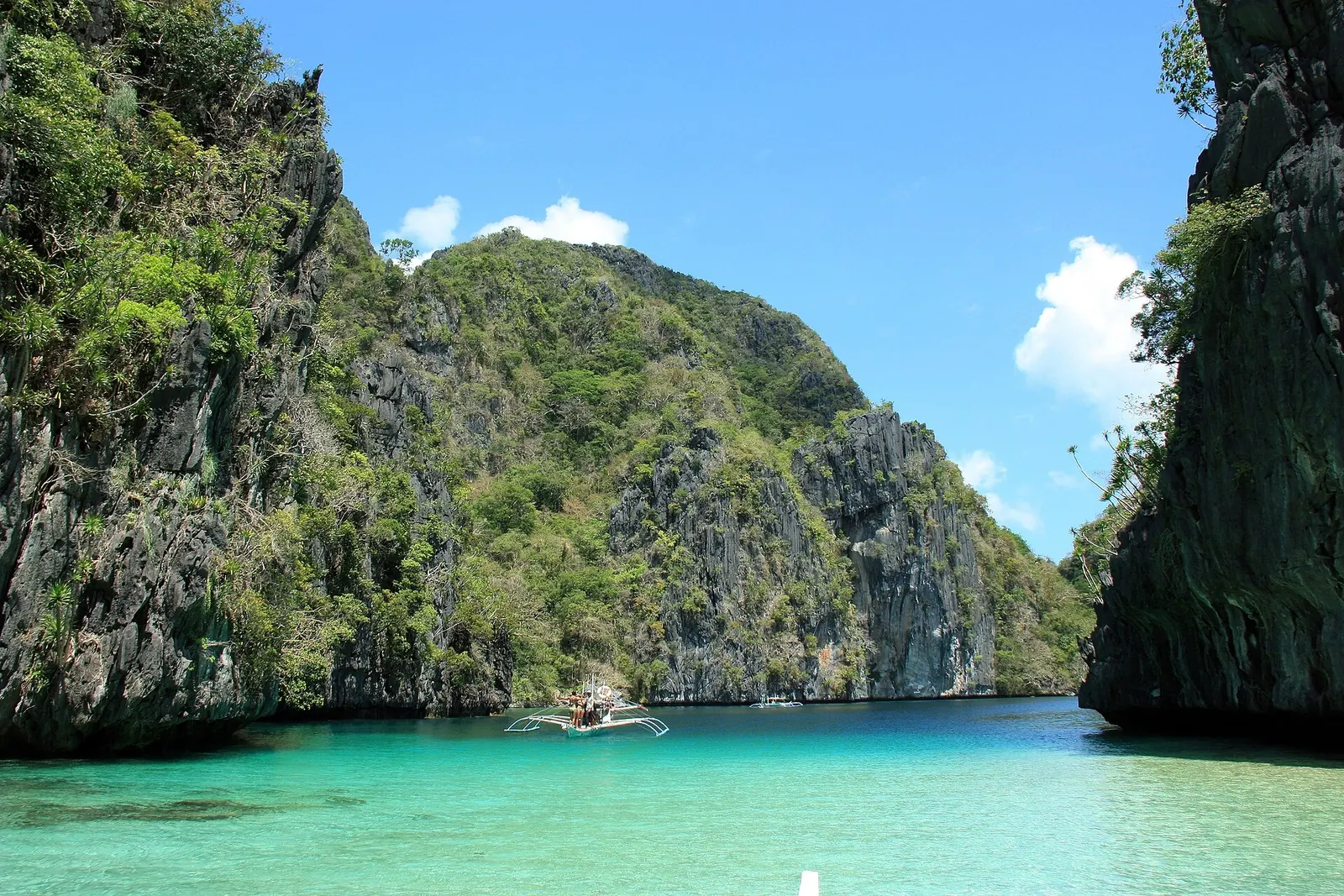
Understanding the protected landscapes behind Palawan’s famous views makes a journey more rewarding—and its geography less confusing.
 Places
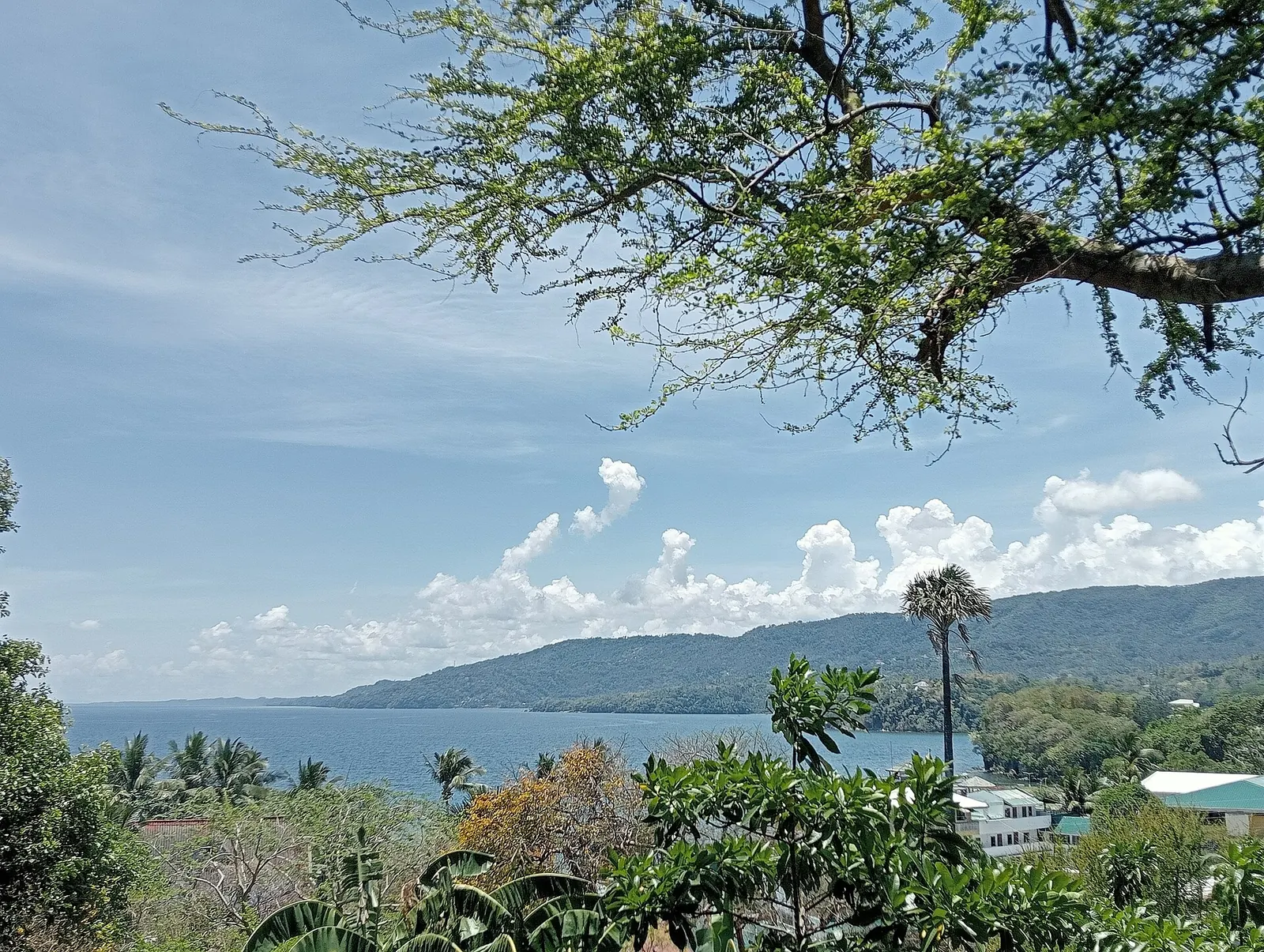
Puerto Galera’s coast and Naujan Lake offer contrasting introductions to the province’s connected water landscapes.
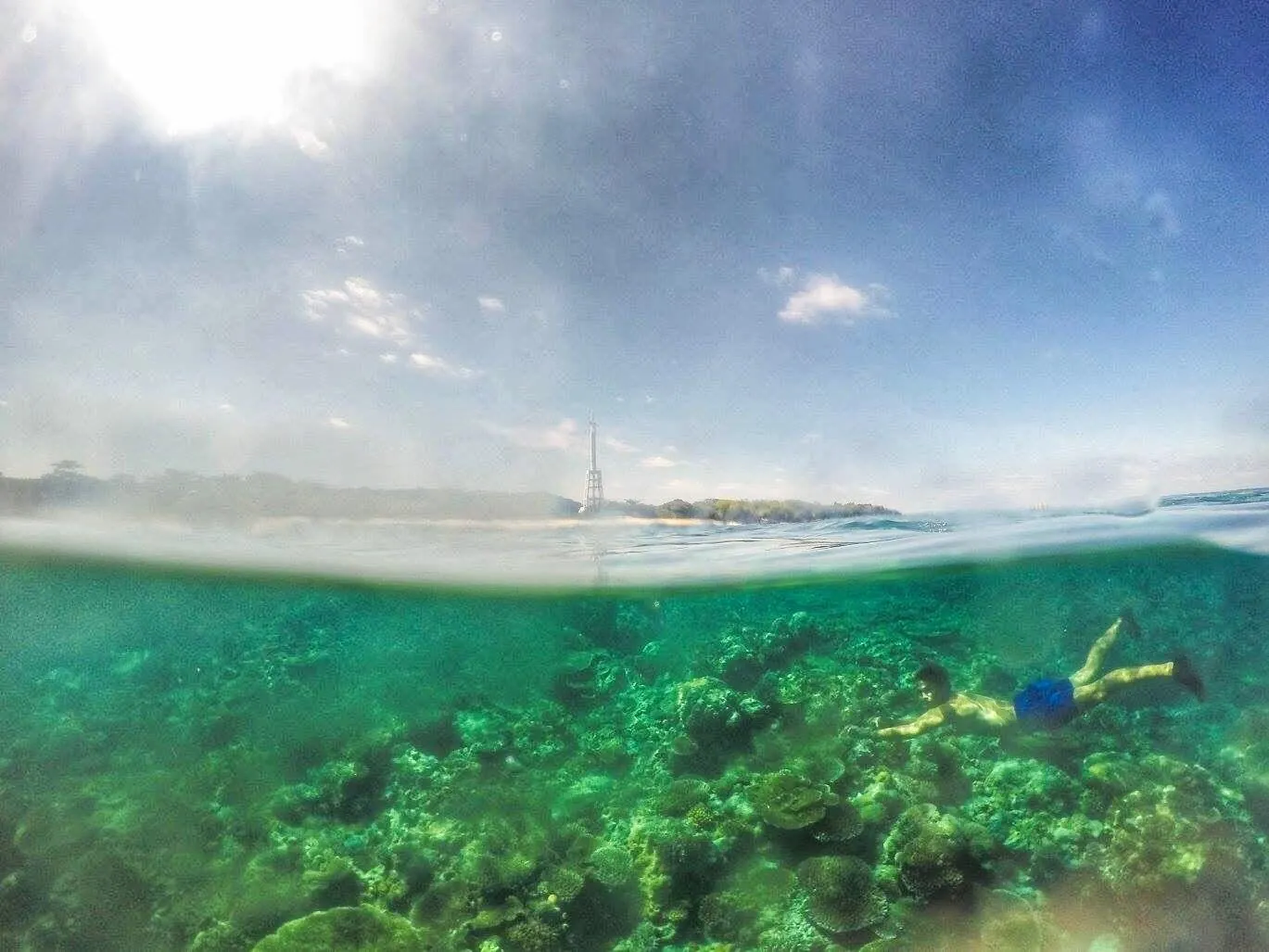 Places
Apo Reef and the mountains of central Mindoro reveal why conservation here must account for both water and land.
 Culture
A closer look at Moryonan and the island’s shipwreck collections reveals two very different ways of remembering the past.
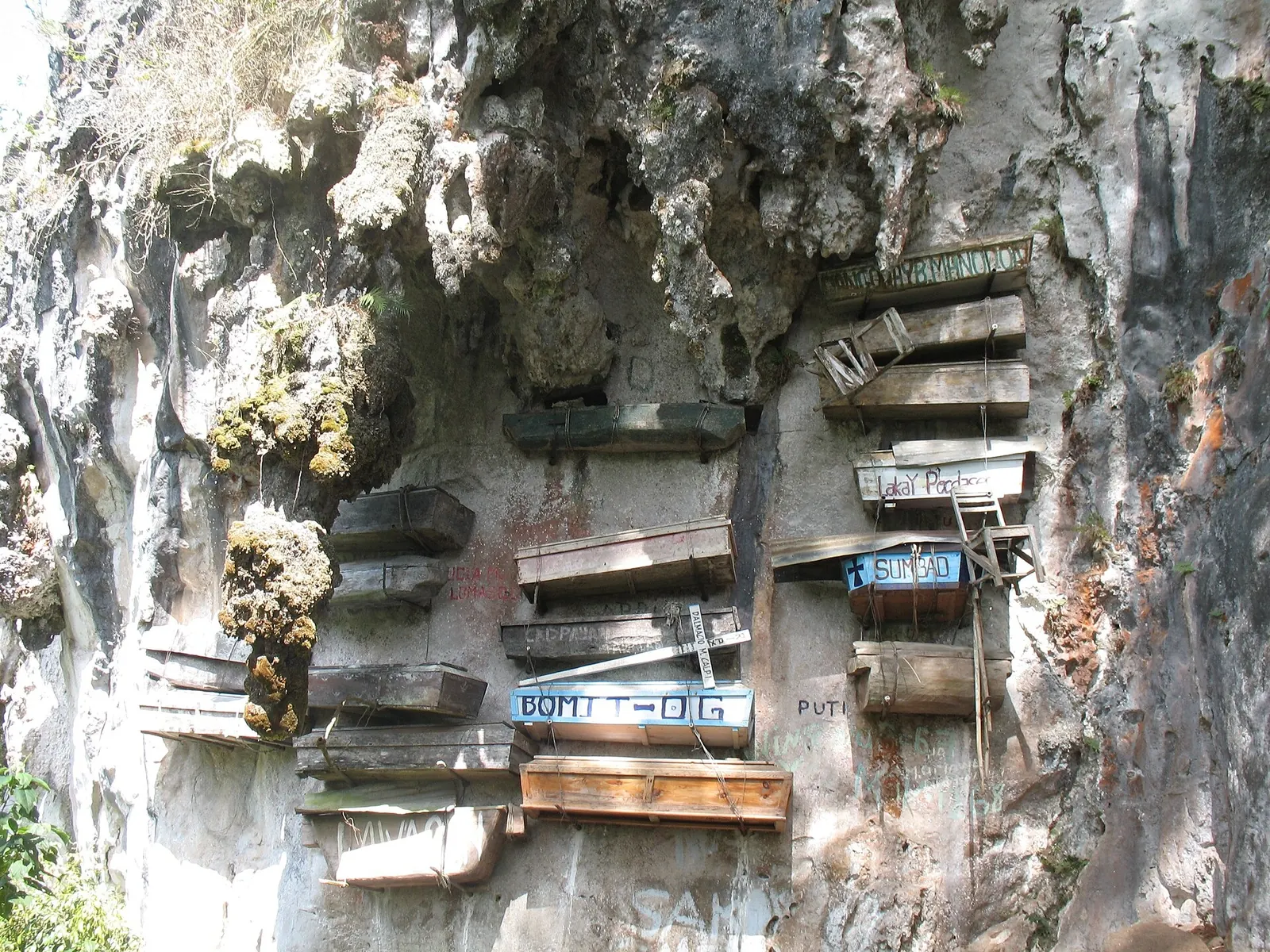 Places
Sagada’s burial sites and surrounding landscapes invite careful attention to the difference between a public attraction and a place held sacred by a community.
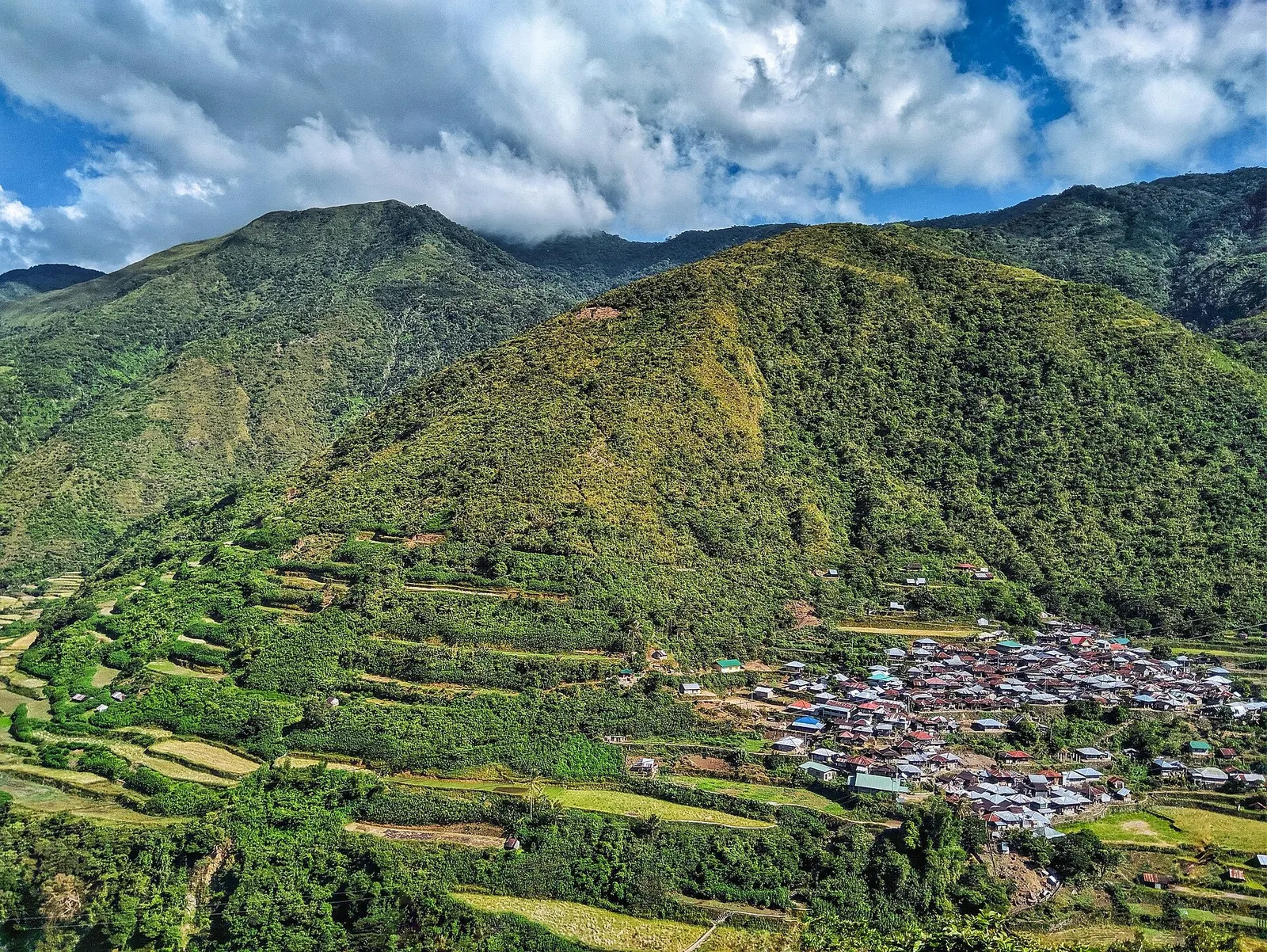 Arts and Music
Batok is easier to appreciate when its techniques are understood alongside the particular communities and histories that give the marks meaning.
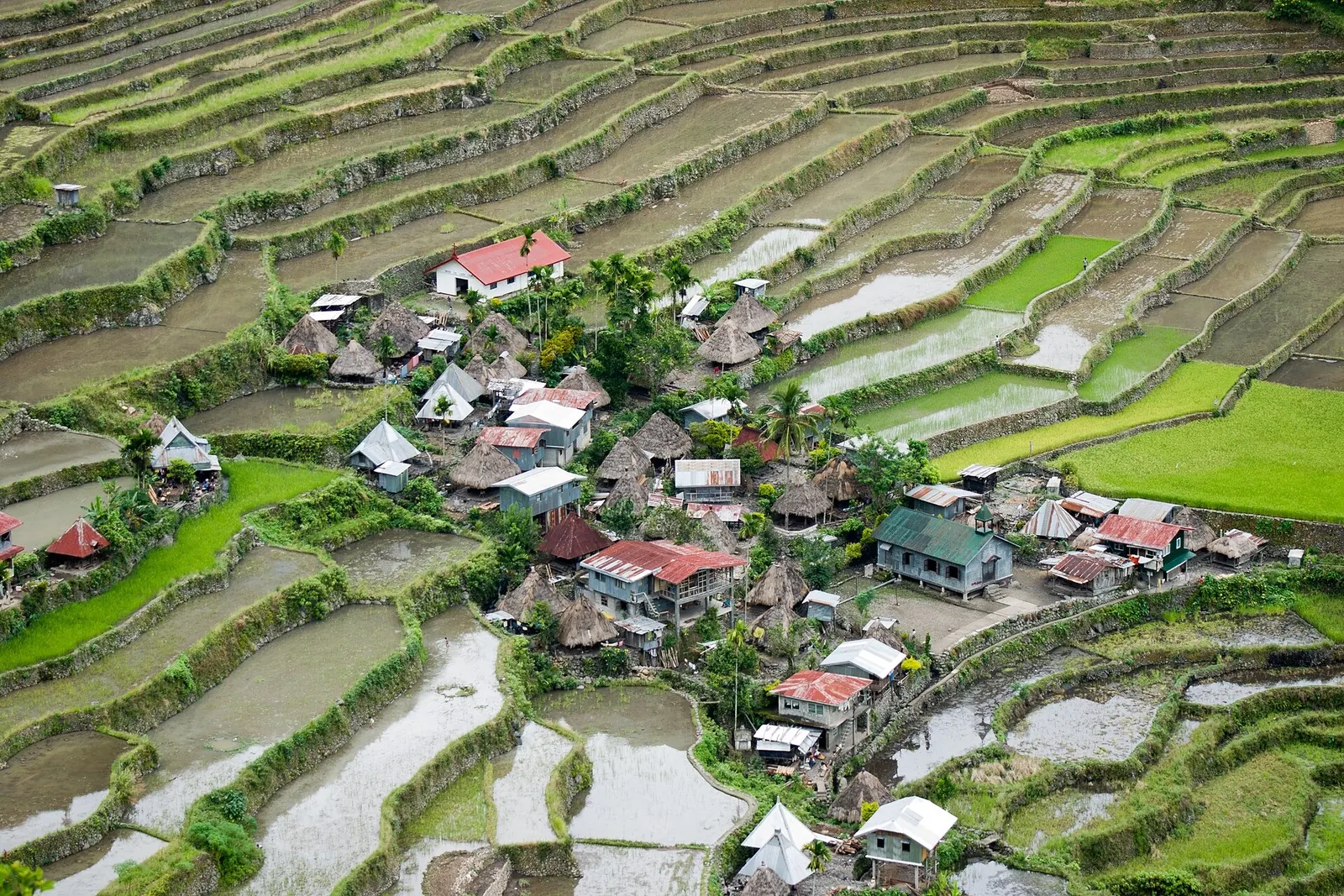 Culture
Knowing which terraces are inscribed—and what keeps them working—changes the way a visitor sees Ifugao.
 Places
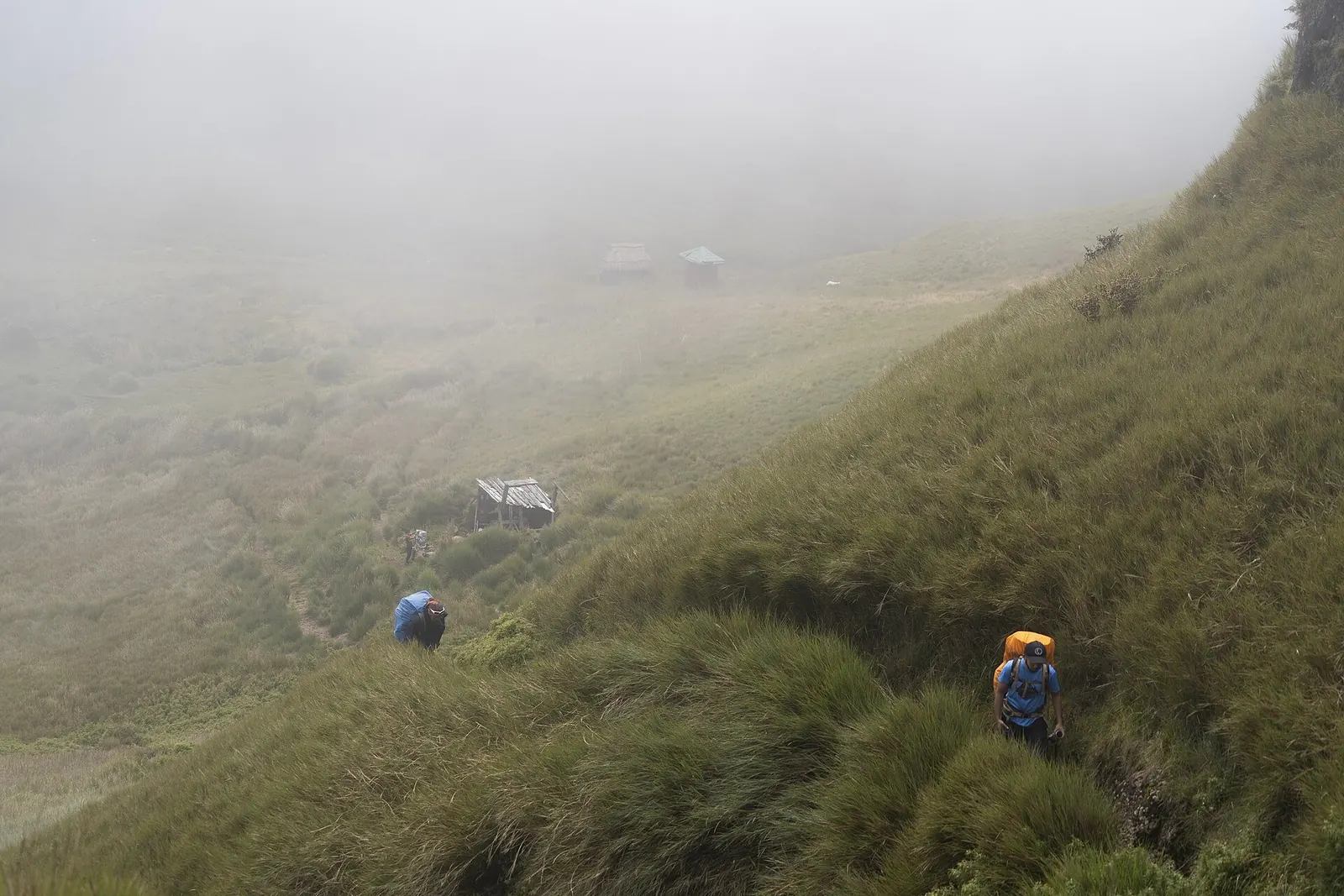
Mount Pulag’s changing vegetation and La Trinidad’s farms reveal two landscapes that need very different kinds of attention.
 Life
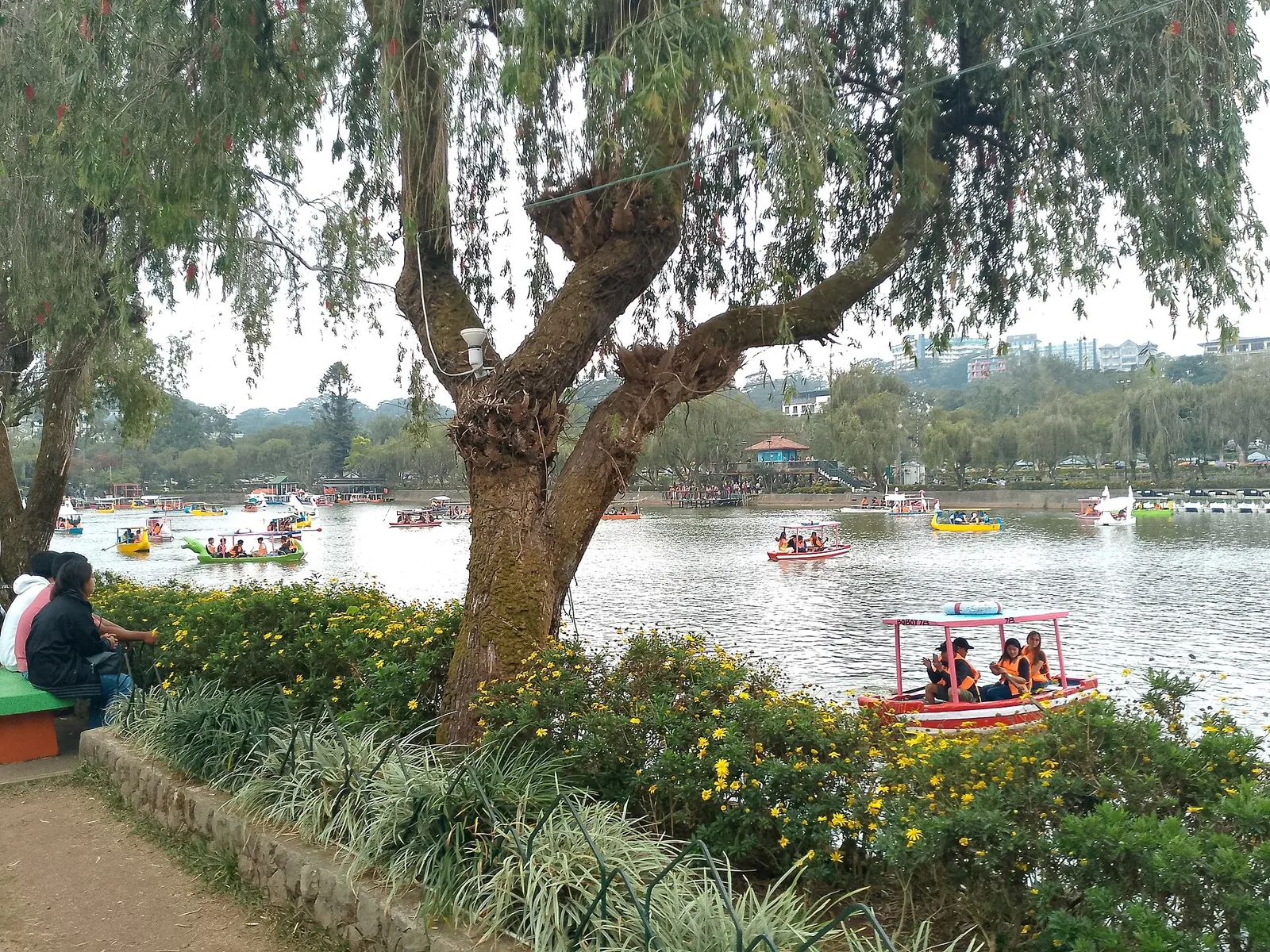
LifeLook beyond the cool-weather getaway and Baguio becomes a city of makers, public spaces and traditions carried into contemporary life.
 Places
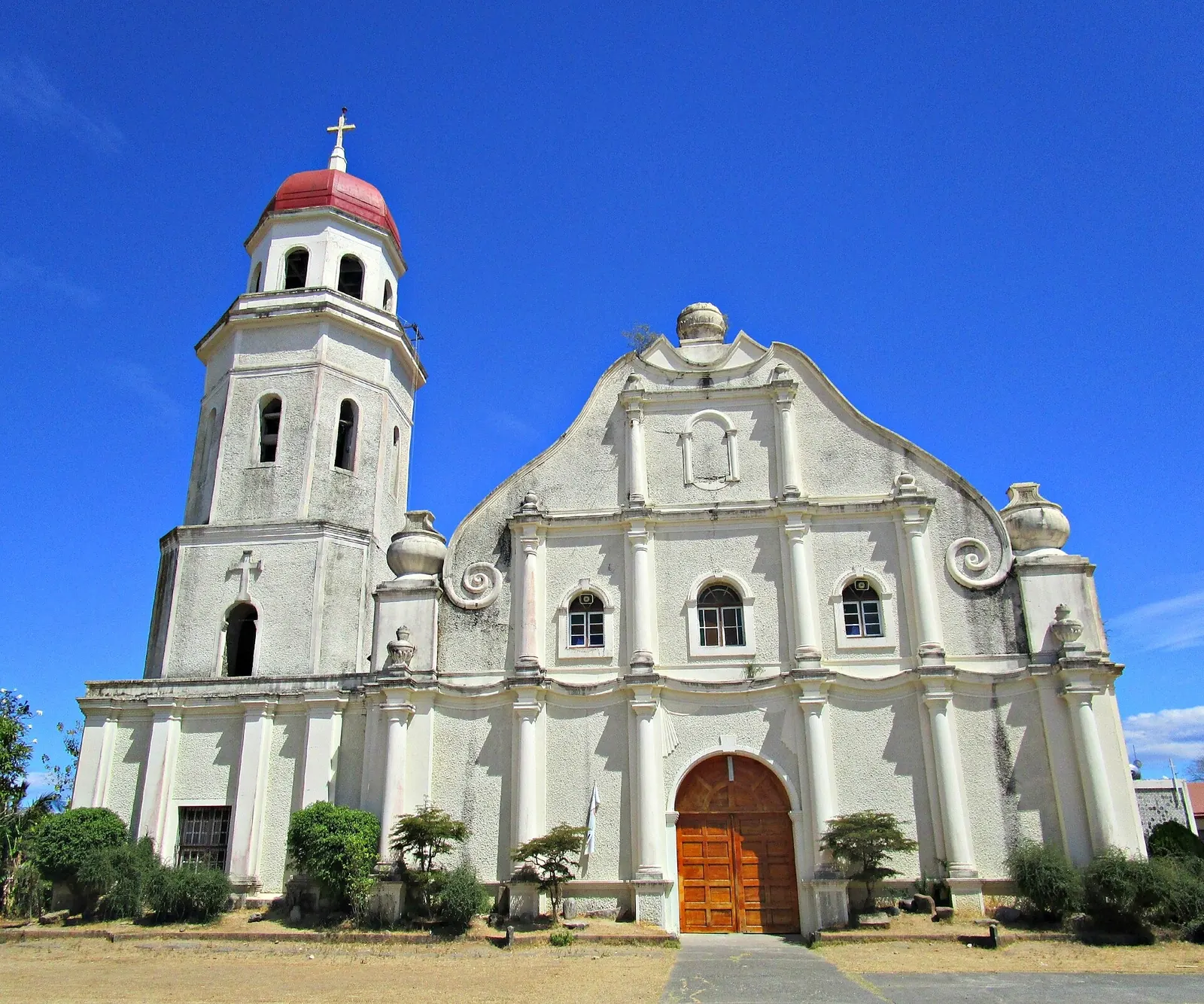
Waterfalls, church architecture and a hat made from a gourd offer three different ways to read Abra’s landscape.
Allow Google Analytics cookies to measure visits and reading activity? This is optional and separate from advertising. You can change your choice anytime. Privacy details